Łódź
Łódź
History and modernity combine in spectacular fashion in the dynamic capital of the Łódzkie province, where Poland’s third-largest city delights visitors with its rich variety of tourist attractions…
Łódź – a unique destination for lovers of architecture, art and film
Łódź is a former hub of the textile industry, Poland’s film capital and a vibrant epicentre of art and post-industrial architecture. It is an excellent idea for a trip both for those travelling independently and for families looking for inspiring attractions.
The city captivates visitors with its successful transformation from an industrial past into a modern space friendly to residents and tourists.
The unique character of Łódź has been appreciated by recognised international titles in the world of travel. To name a few, in addition to the Best Value Destination recommendation from Lonely Planet, the city received a distinction in the National Geographic Best of the World list in the category of sustainable development. In this way, it was credited for the thoughtful revitalisation of post-factory areas and the restoration of their social functions.
A second life for Łódź’s factories
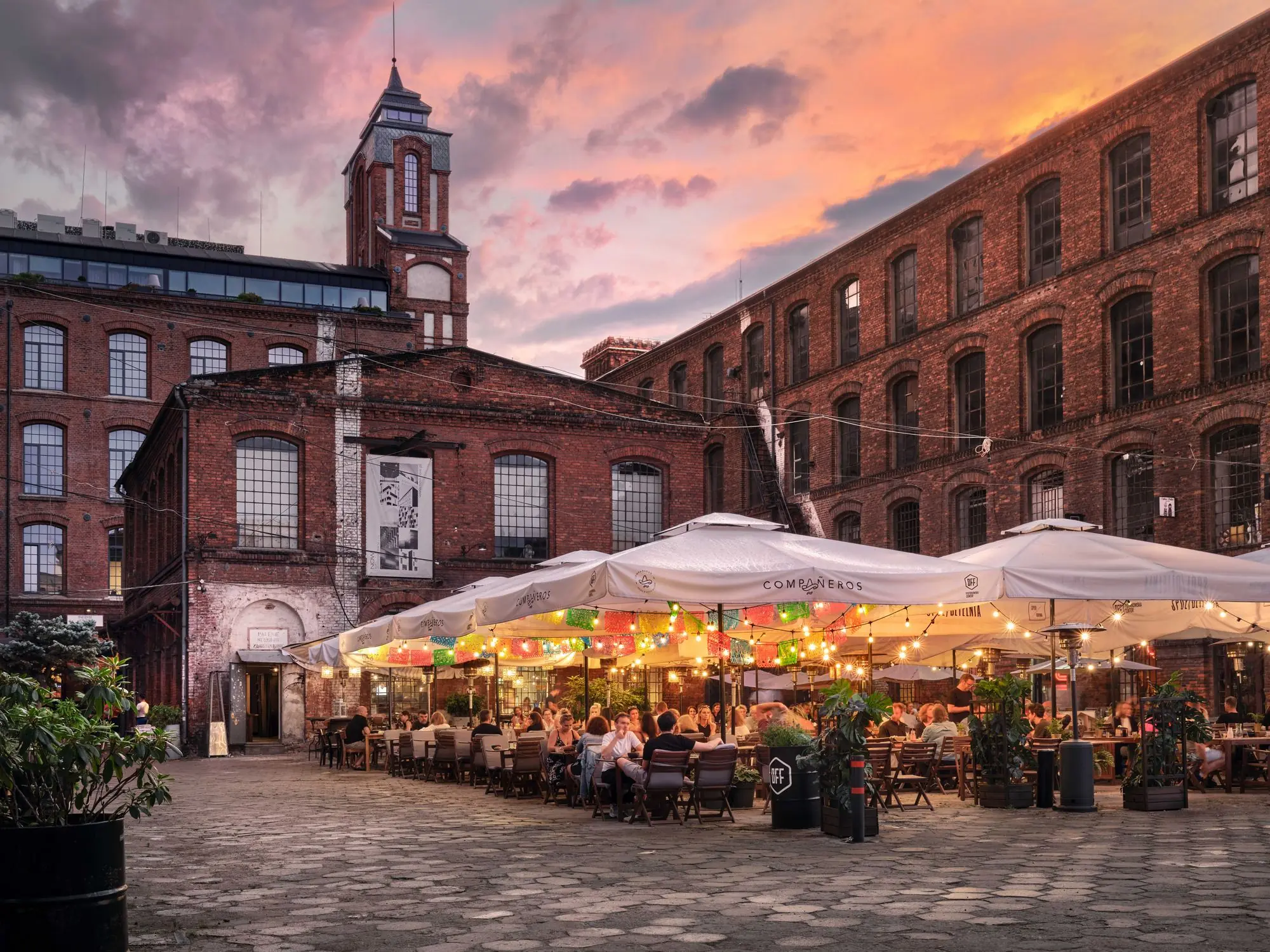
The contemporary landscape of the city is defined by a creative approach to historical heritage. Former textile complexes are not falling into ruin, but perform entirely new roles in the urban fabric.
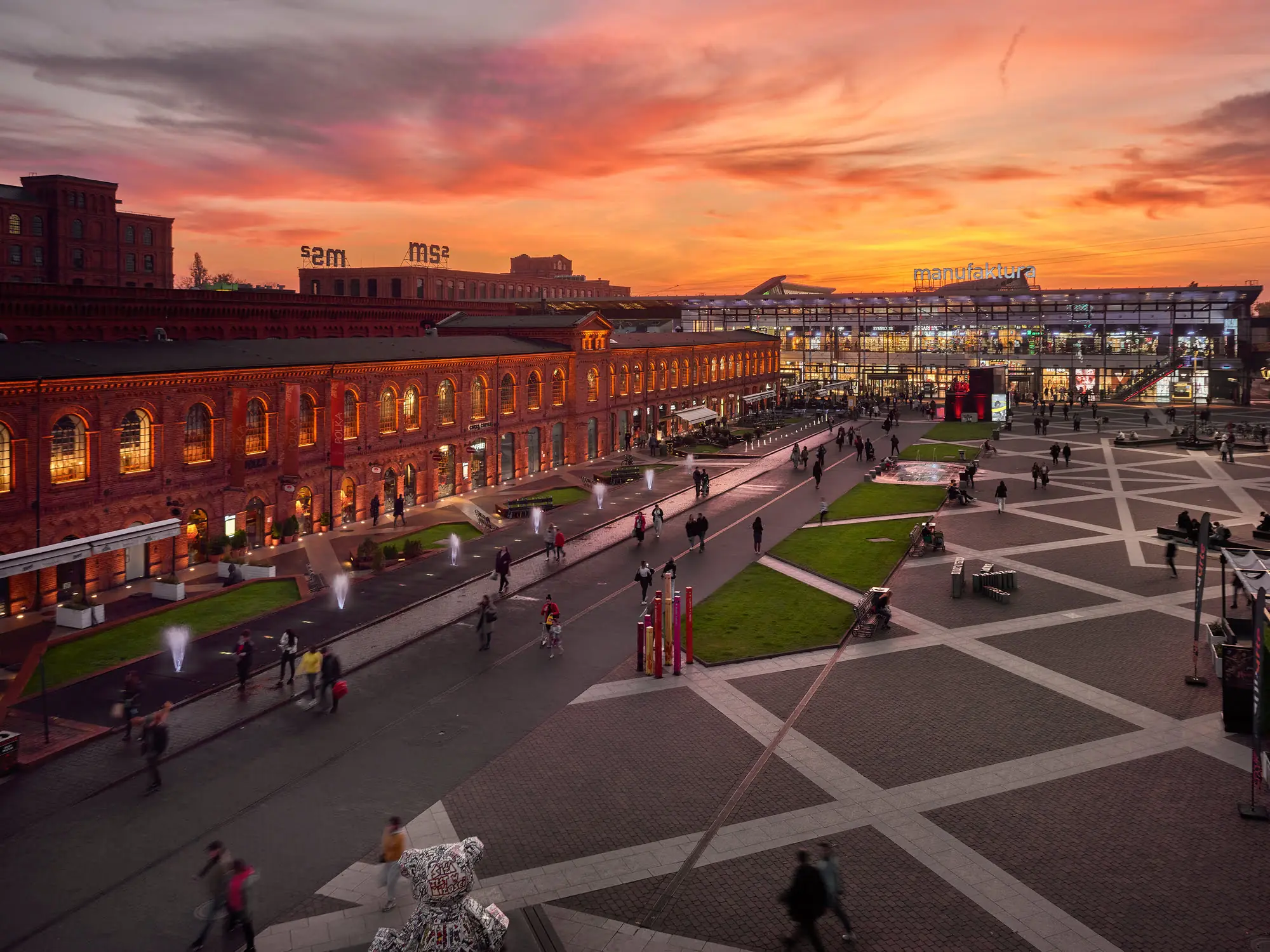
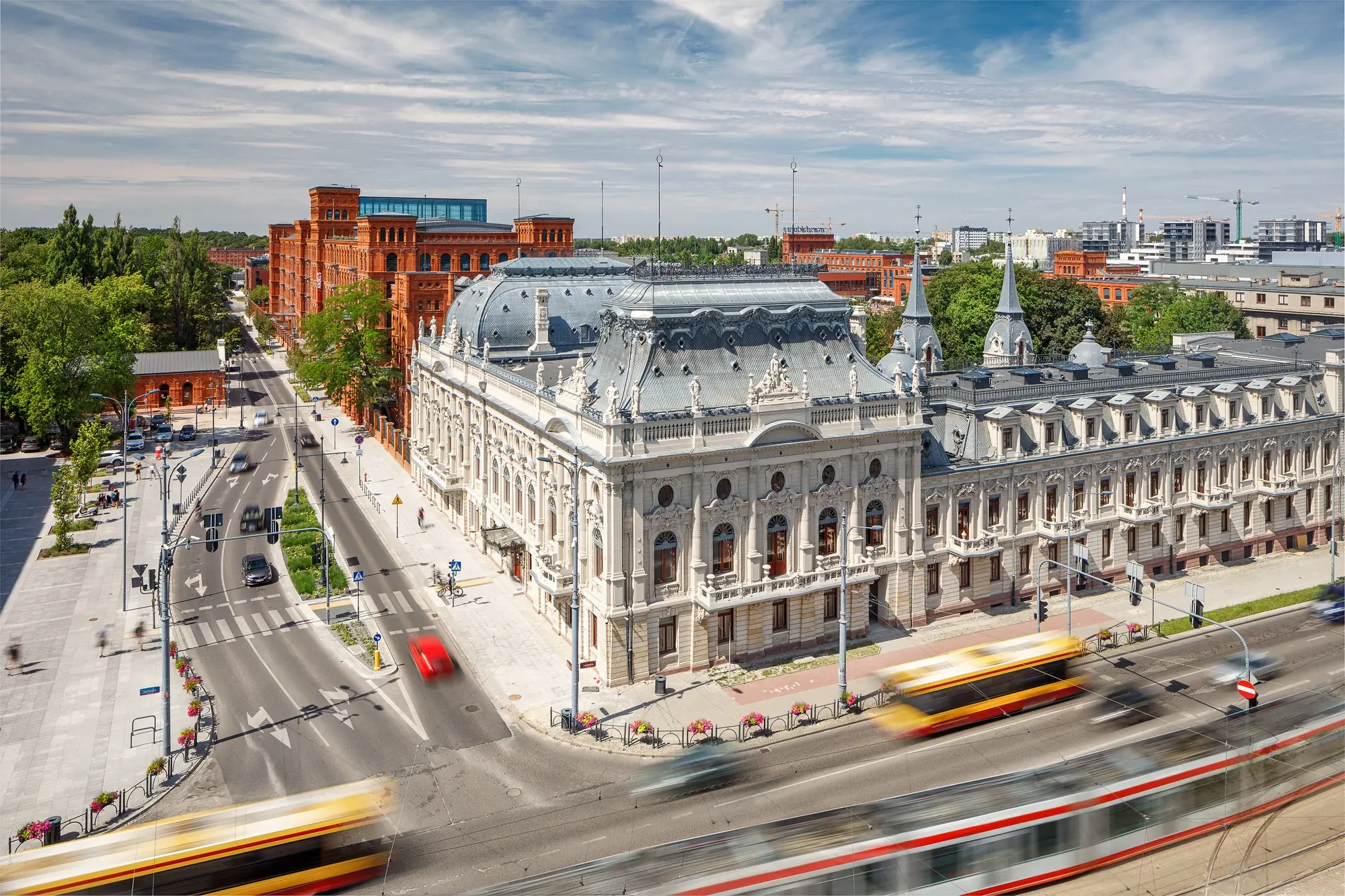
The most recognisable example is Manufaktura (ul. Drewnowska 58) – winner of the Golden Certificate of the Polish Tourism Organisation (PTO). Izrael Poznański’s former factory houses, in revitalised spaces, a wide selection of restaurants, museums including the MS2 Art Museum and the Factory Museum, a cinema, a theatre, a spacious square where numerous outdoor events take place, and a modern shopping centre. The jewel in the crown of the complex is the old palace of the owner’s family, which now serves as the Museum of the City of Łódź (ul. Ogrodowa 15). The museum, which impresses with its lavishly decorated interiors, presents the rich history, culture and industrial heritage of the city, offering visitors a unique insight into its dynamic development.
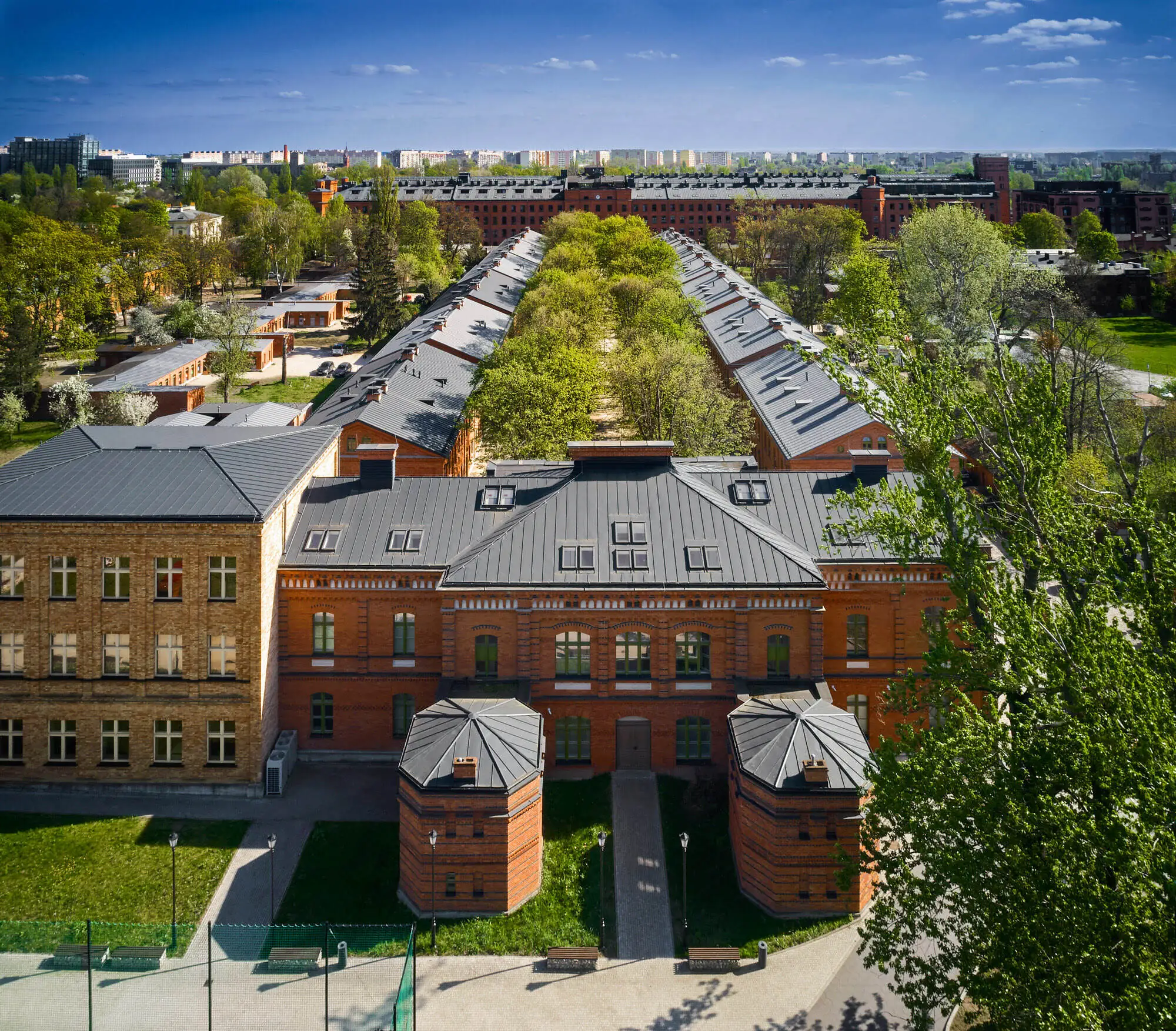
A crucial element of this heritage is Księży Młyn – a perfectly preserved, coherent factory-and-residential complex erected by Karol Scheibler, the richest industrialist of Łódź. It includes former spinning mills rearranged into modern lofts and offices, red brick houses known as famuły that once served workers and today house apartments for the locals as well as charming restaurants, studios and galleries. Another part of the complex is the Herbst Palace (ul. Przędzalniana 72), where a museum of industrialists’ interiors has been arranged. If you wish to take a stroll in the atmosphere of 19th-century Łódź, Księży Młyn is the place to go to feel it.
In turn, OFF Piotrkowska (ul. Piotrkowska 138/140), located in the former factory of Franciszek Ramisch, and the factory complex of the former iron foundry of Józef John, have become food hubs serving dishes from cuisines around the world as well as alternative fashion and applied arts. Geyer Gardens (ul. Piotrkowska 293/305) underwent a similar transformation to become an open space for dining, walking and attending various events.
Historical buildings are also being adapted for hotel purposes. In the former spinning mill of the Poznański factory operates the Vienna House by Wyndham Andel’s**** (ul. Ogrodowa 17) with a characteristic glass-enclosed rooftop swimming pool, offering panoramic views of the city. The Tobaco Hotel*** (ul. Kopernika 64), arranged in the buildings of the former Łódź Cigarette Factory, also stands out with its unique design. Another example of such an adaptation is also the three-star Focus Łódź hotel (ul. Łąkowa 23/25), located in the restored building of Juliusz Kindermann’s former cotton factory from the late 19th century. Elements of historical architecture have been preserved in the building, including the characteristic façade, high rooms and fragments of post-factory stairs, combining them with the modern hotel function.
Modern attractions for children and adults
Łódź has a rich recreational and educational offer, tailored to the needs of families with children as well as individual visitors.
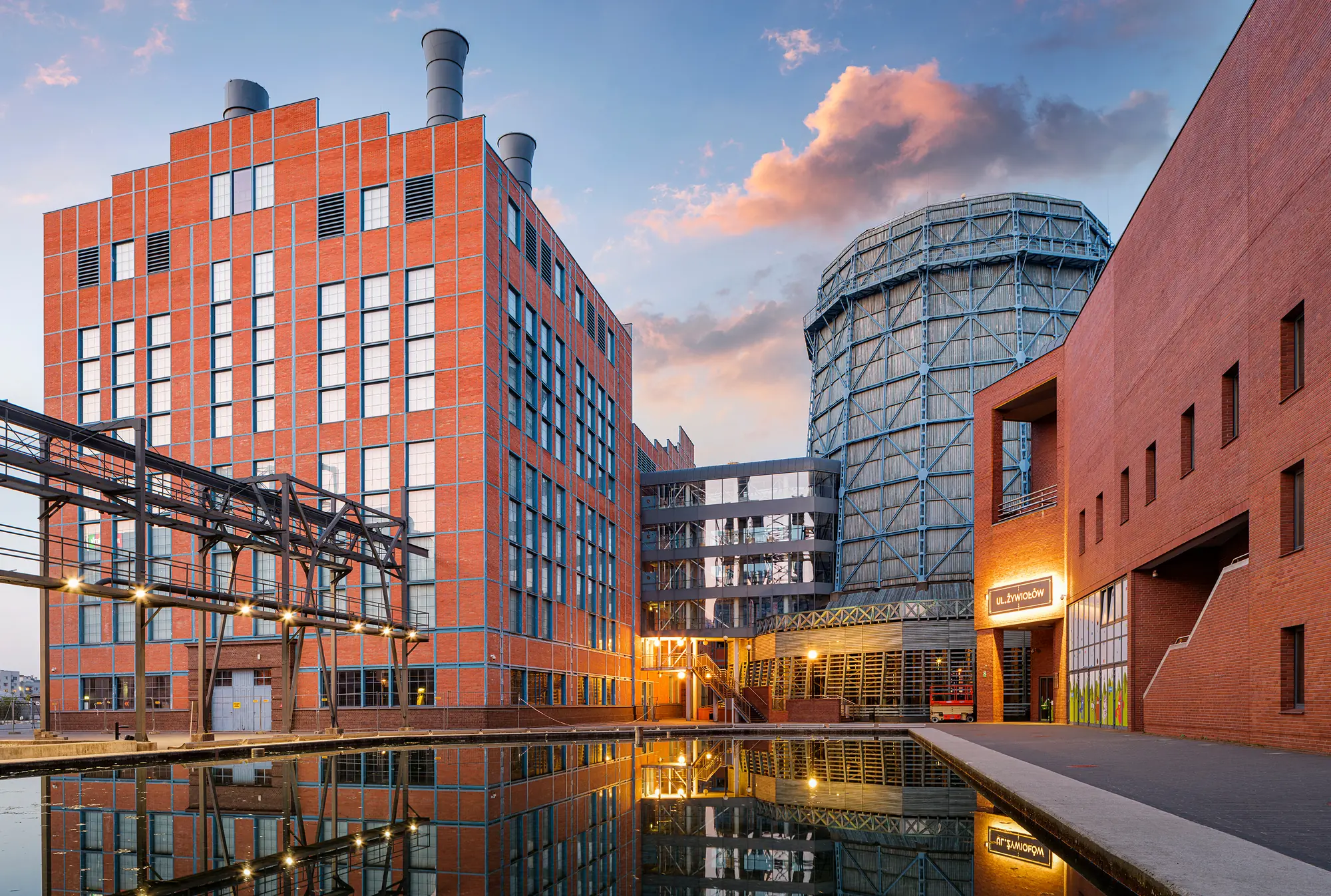
The city’s first power plant is today the revitalised EC1 Łódź – City of Culture complex (Targowa 1/3). This impressive cultural institution reveals several diverse zones of education and entertainment. The EC1 Science and Technology Centre offers interactive exhibitions devoted to energy processing and the microcosm, located in the area of the former power plant. The EC1 Planetarium houses under its characteristic dome one of the most modern projection systems in Europe. The National Centre for Film Culture invites visitors to learn about the history and secrets of creating Polish cinema on permanent multimedia exhibitions. Situated in a dedicated building, the Centre for Comics and Interactive Narrative creatively introduces visitors to the world of comic art and computer games, headed by The Witcher, the export product of the company CD Projekt Red. One should also add that the author who created the Witcher’s character, Andrzej Sapkowski, is a lifetime resident of Łódź.
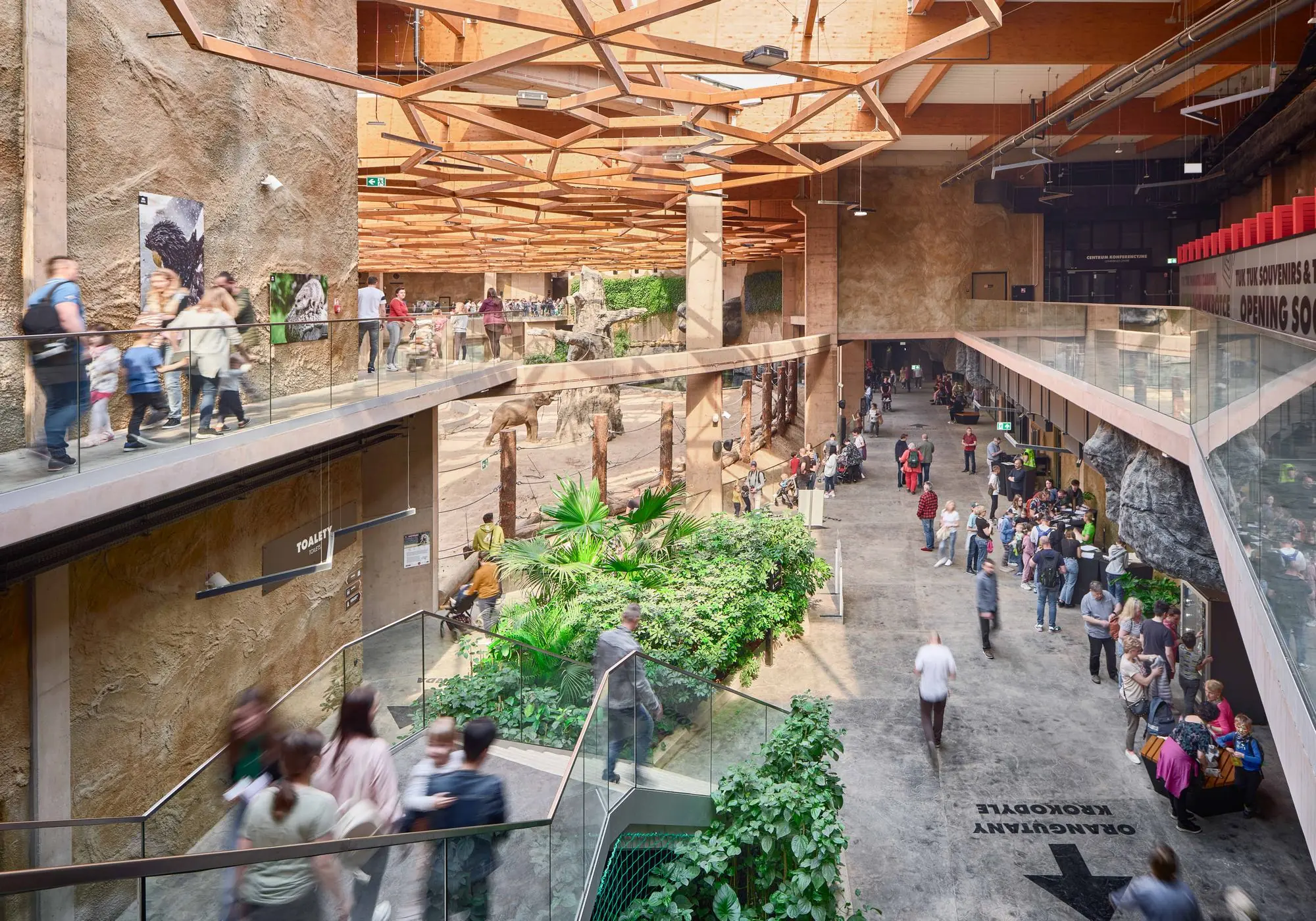
Equally popular is the Orientarium ZOO Łódź (ul. Konstantynowska 8/10), a modern zoological garden devoted to the fauna and flora of Southeast Asia. What leaves the greatest impression on its guests is the underwater tunnel for watching sharks and manta rays up close, as well as the Indian elephant zone, where you can high-five an elephant!
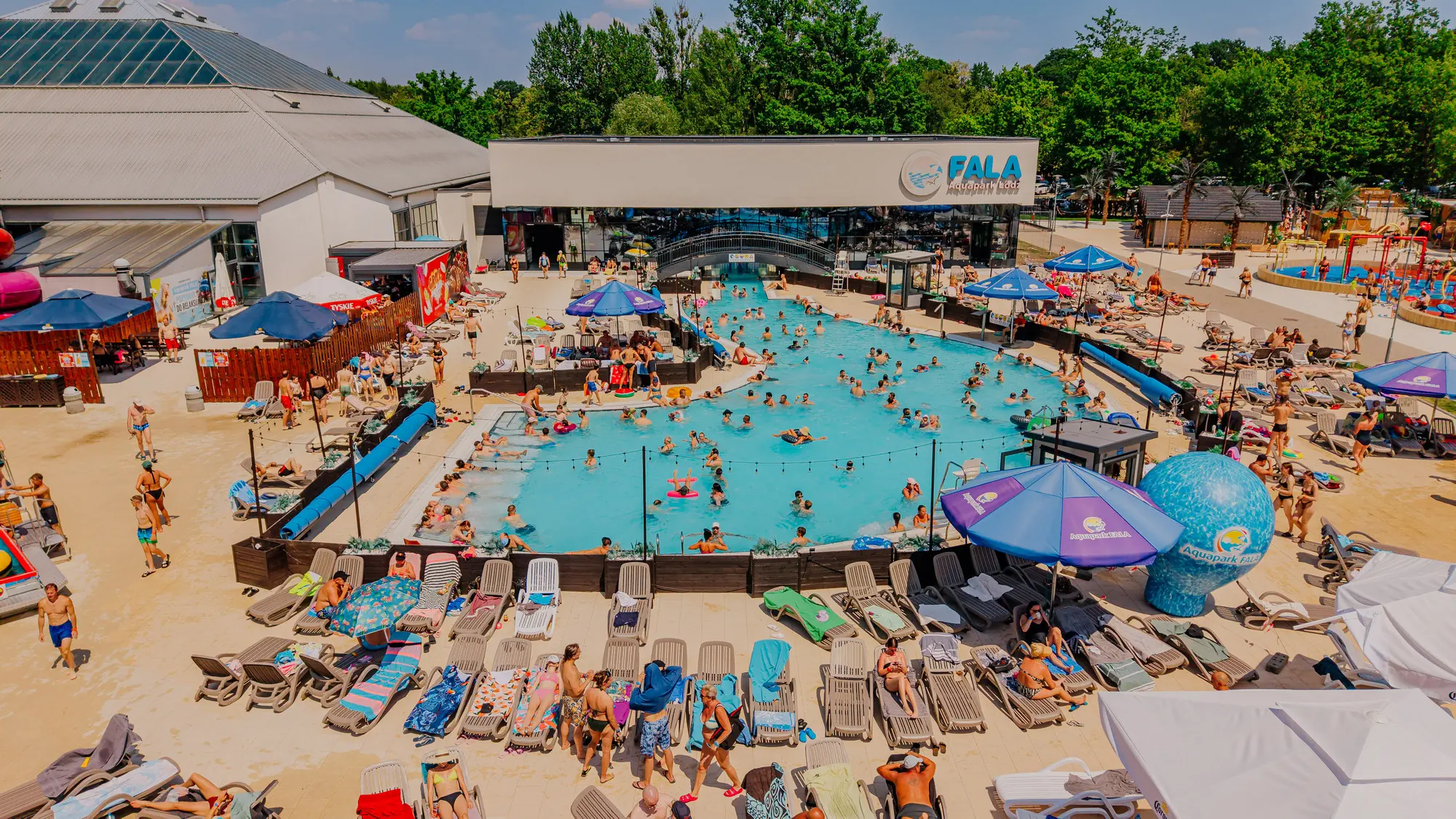
People looking for relaxation and water fun will appreciate Aquapark Fala (al. Unii Lubelskiej 4), one of the largest water parks in the country, equipped with wave pools, slides, a sauna zone and outdoor pools.
Poland’s film capital
Łódź holds the official title of a UNESCO City of Film, which is confirmation of its enormous contribution to the development of cinematography. This is where the National Film, Television and Theatre School (ul. Targowa 61) is located, which has educated outstanding directors and cinematographers headed by Andrzej Wajda, Roman Polański, Krzysztof Kieślowski and Jerzy Skolimowski. A key point on the film map is also the National Centre for Film Culture (ul. Targowa 1/3), operating in the EC1 complex. This is a place where the history of Polish cinematography meets modern technologies, and visitors can not only learn about the achievements of domestic cinema, but also look behind the scenes of its creation and better understand the work of film creators. The history of Polish and world cinema is also told by the Museum of Cinematography located in the historic palace of Karol Scheibler (plac Zwycięstwa 1).
It was also here that many works appreciated throughout Europe and the world were created. Most of the footage for the Oscar-nominated The Promised Land directed by Andrzej Wajda was shot in Łódź. Filming also took place in the city for the Oscar- and European Film Award-winning Ida directed by Paweł Pawlikowski, as well as for Cold War by the same director, honoured in Cannes for directing and nominated for an Oscar in three categories. Walking along Piotrkowska Street, one can come across the Łódź Walk of Fame, commemorating distinguished Polish filmmakers.
Piotrkowska – the historical and contemporary heart of the city
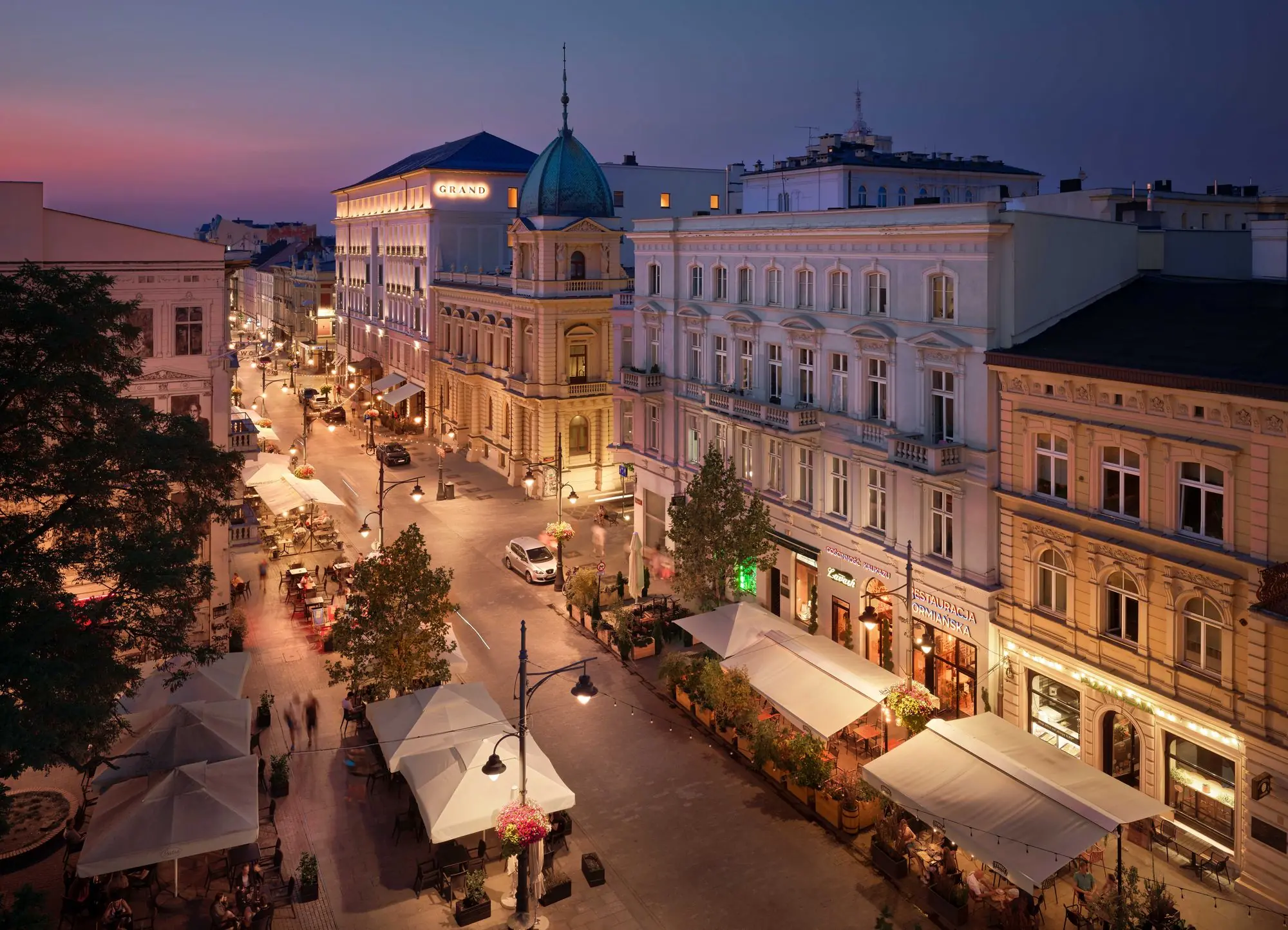
The iconic artery of Łódź is Piotrkowska Street. This thoroughfare spans 4.5 kilometres, half of which has calmed traffic. The collection of 19th– and 20th-century buildings along it is exceptional on a national scale, as they represent a whole spectrum of styles: classicism, historicism, eclecticism as well as Art Nouveau and modernism, right up to contemporary architecture. Today Piotrkowska is a vibrant social and cultural centre. This is where city life concentrates; numerous restaurants, quaint cafés, pubs and summer gardens are located here. The street also serves as a venue for flagship outdoor events, including the Light.Move.Festival, Łódź’s Birthday celebrations, parades, and concerts.
At the southern end of the artery you will find the Central Museum of Textiles (ul. Piotrkowska 282). It is housed in the monumental White Factory of Ludwik Geyer, one of the oldest large factories in the city. The museum presents the rich history of textile production in Łódź, displays unique collections of artistic textiles and invites visitors to tour the Łódź Park of Urban Culture – a complex of wooden architecture buildings located at the rear of the factory, showing the life of the city’s former inhabitants.
Memory of the multicultural past
The growth of 19th-century Łódź was based on the coexistence of four nations and denominations: Poles, Germans, Jews and Russians. Each of these groups left a lasting mark on the architecture and identity of the city. The imposing Manufaktura is the work of the Jewish industrialist Izrael Poznański, while the extensive Księży Młyn complex was built by Karol Scheibler, a Lutheran who came to Łódź from the Rhineland, raised in the Protestant tradition.
An important point on the historical map is the Jewish Cemetery (ul. Bracka 40), which is one of the largest surviving Jewish cemeteries in Europe. The striking Mausoleum of Izrael Poznański is one of its many monuments. Reminders of the dark past are the Radegast Station (al. Pamięci Ofiar Litzmannstadt Getto 12) and the Marek Edelman Dialogue Centre in the Survivors’ Park (ul. Wojska Polskiego 83), which cultivate the memory of the Jewish community and the tragic events of its wartime annihilation. A testimony to multiculturalism is also the Old Cemetery (ul. Ogrodowa 43), combining Catholic, Evangelical and Orthodox sections with an extremely interesting neo-Gothic cemetery chapel of the Scheibler family.
Street art and artistic courtyards
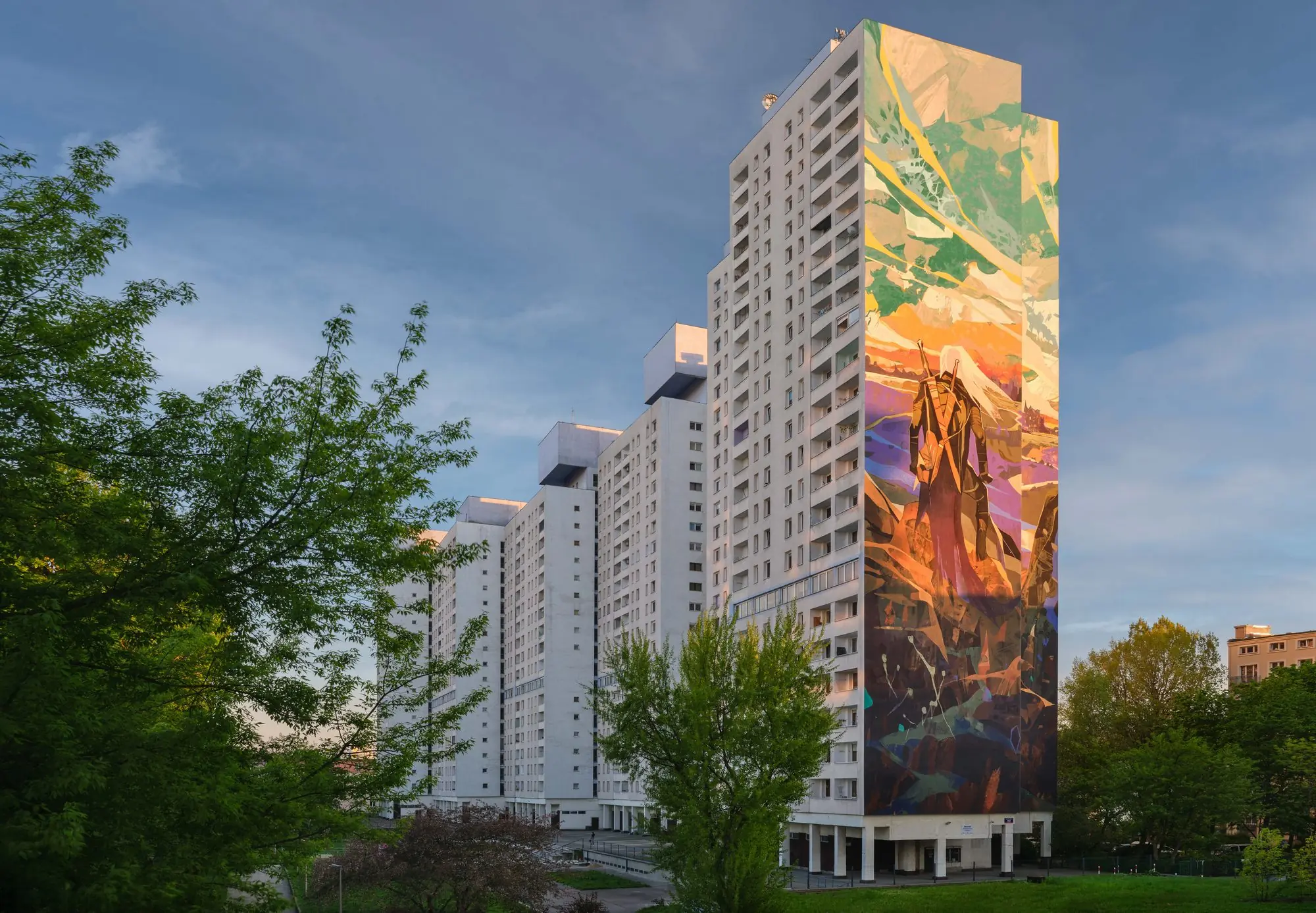
Łódź is widely regarded as the Polish capital of street art. Multiple buildings are decorated with over three hundred large-format murals created by artists from around the world. Among them, the striking “Witcher” mural on the façade of the high-rise in ul. Piotrkowska 182 stands out, being one of the largest wall paintings in Europe, or the work dedicated to Artur Rubinstein by Eduardo Kobra at the corner of ul. Sienkiewicza and ul. Traugutta.
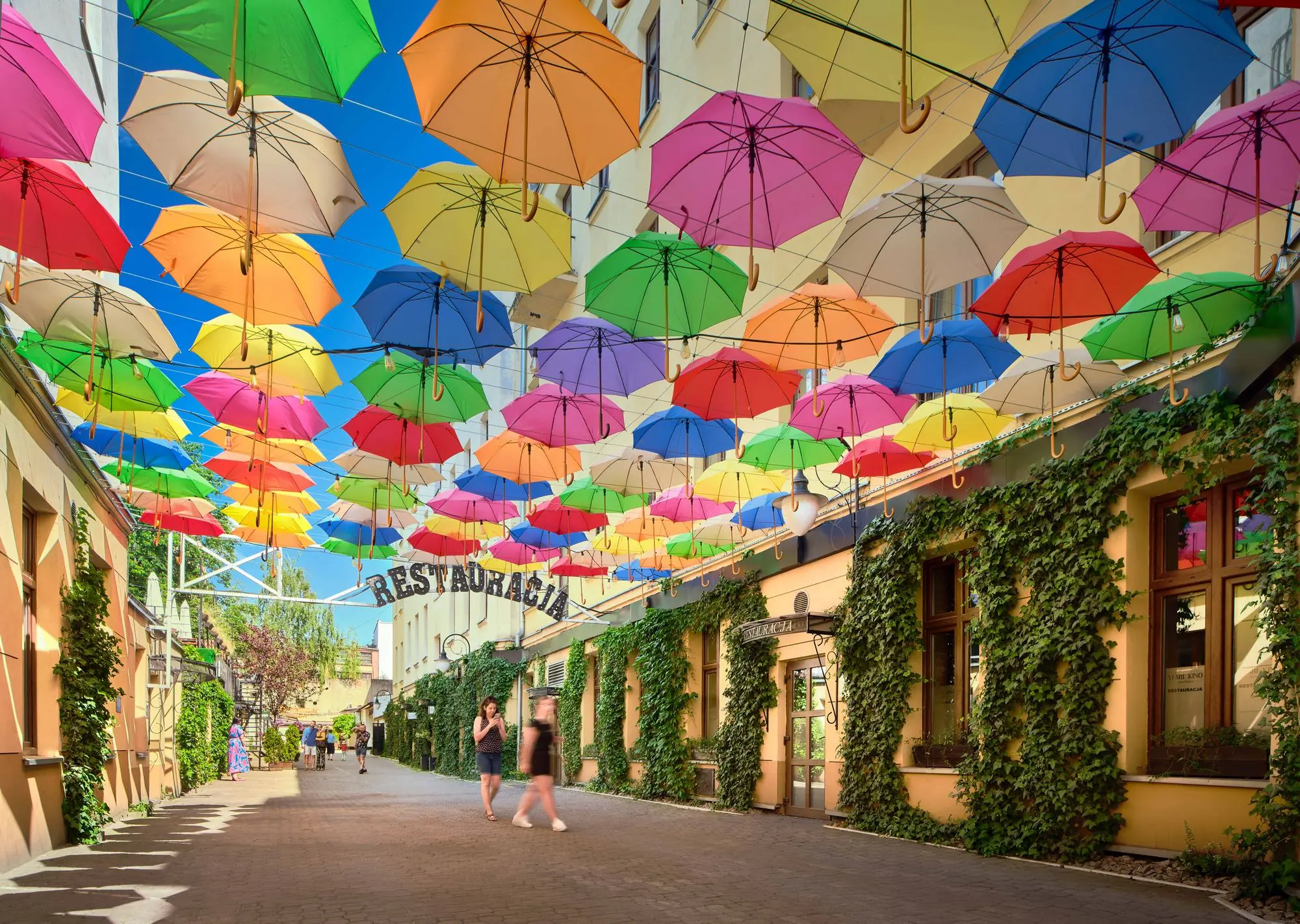
Equally fascinating are the artistic courtyards of Łódź. The best known is the Rose Passage (ul. Piotrkowska 3), an alleyway whose walls are covered with a mosaic of mirror glass. In ul. Więckowskiego 4 make sure to see the “Birth of the Day” project, that is, a courtyard decorated with illusions on ceramic tiles by artist Wojciech Siudmak. This unique art trail also includes the courtyard in ul. Piotrkowska 118, where the central element consists of three impressive, illuminated crystal chandeliers. After dark, they give the courtyard an otherworldly atmosphere.
Access and transport
The city is very well connected with the rest of the country and Europe. It lies in the heart of Poland, just an hour and a half by motorway southwest of Warsaw. Through the railway stations of Łódź Fabryczna and Łódź Kaliska it has convenient connections with the other principal tourist hubs. Łódź also has convenient direct long-distance and international bus connections, whose main hub is the bus station at Łódź Fabryczna. On the southwestern edge of the city operates the Łódź Władysław Reymont Airport (ul. Maczka 35), handling regular European connections (Ryanair) and charters.
Practical information
The main point of service for visitors is the Łódź Tourist Information (ul. Piotrkowska 28). It offers free maps, guidebooks and professional assistance from advisors in planning a visit to the city. It also carries official Łódź souvenirs that can be purchased there. An additional point also operates in ul. Piłsudskiego 12 and in Księży Młyn.