National Parks
National Parks
Travellers from around the world flock to Poland for a variety of reasons. While the cities are a major draw, Polish national parks are also an exceptional reason to visit the country. The twenty three protected areas represent the best scenery and outdoor exploration opportunities. Whether a visitor wants to hike in seclusion, spot wildlife in their natural habitats or get to know the country’s history, the parks offer an incredible way to pursue one’s passion. Each one is remarkable but the most appealing and popular ones are genuine wonders and make a list of the must-see for nature-lovers.
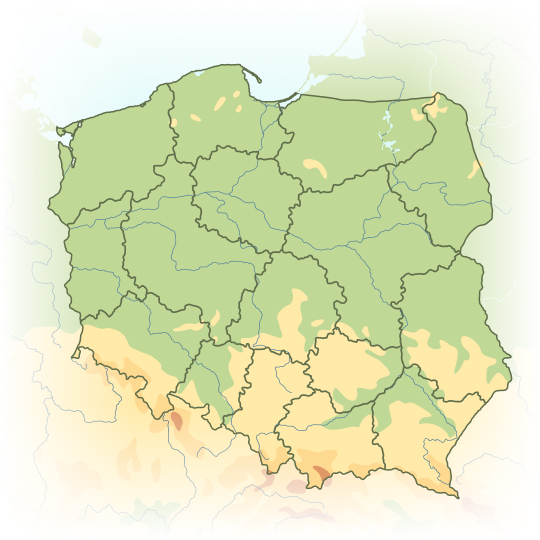
Dostępne punkty na mapie:

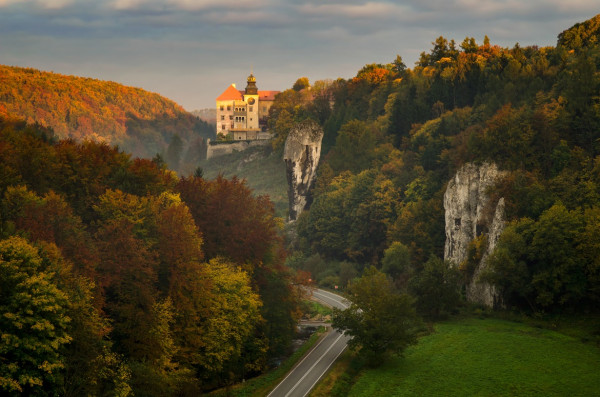
Numerous caves, scenic ravines, rocky passes and spectacular rock formations, the famous “Hercules’ Club”, have been created here by nature. Almost 400 caves are scattered around the park with the Łokietka, Ciemna and Zbójecka caves amongst the biggest.
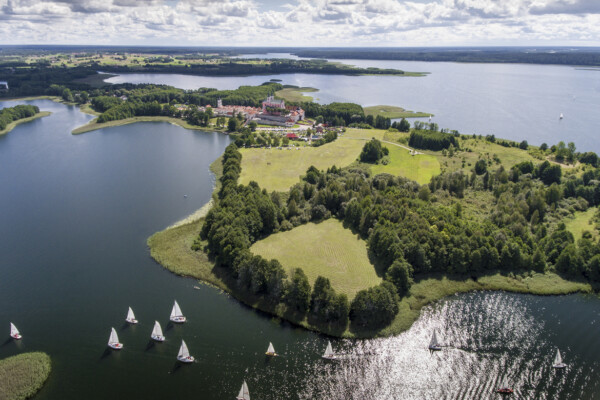
Peat bogs, small and marshy forest lakes are very characteristic of this park. Pine and spruce forests dominate, but there are also colonies of moor, aquatic and meadow plants.
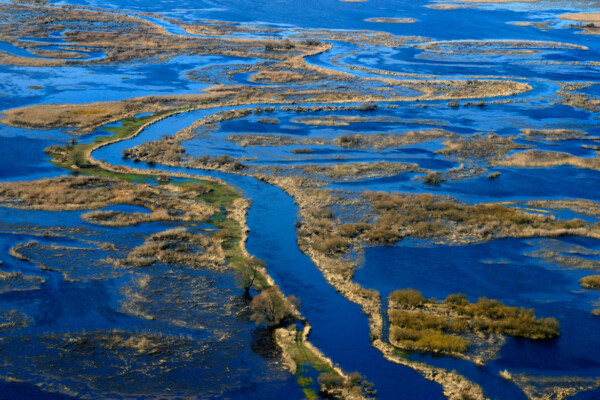
The largest of all Poland’s national parks, the Biebrzański National Park protects Europe’s major natural expanse of moorland peat bogs which are extend across the Biebrza River valley. The peat bogs occupy an area of 59,223 hectares.
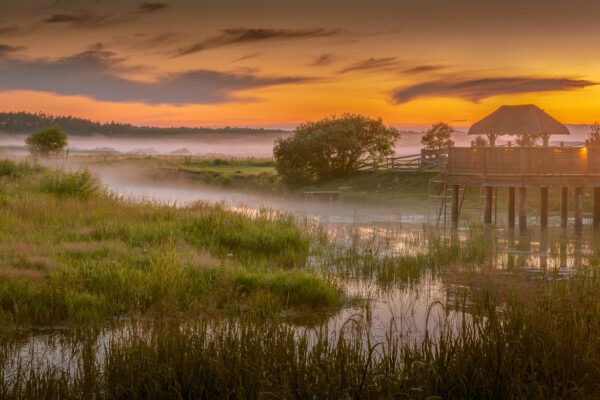
The greatest natural feature of the park is its well-preserved and unspoilt swampy River Narew valley which features a unique system of flood waters, old riverbeds, bulrushes and shallow bogs, which together are known as The Polish Amazonia.
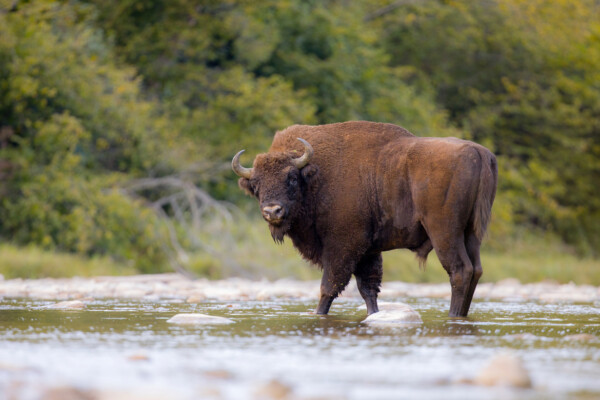
Poland’s historic sites number in the thousands, but only one can claim it has been standing the longest – Bialowieza Forest. This ancient forest sits on the border between Poland and Belarus, in Podlasie Region. UNESCO named the site a Biosphere Reserve in 1977 and two years later, it also joined the UNESCO World Heritage List. It is the last European lowland deciduous and mixed forest in existence. The Bialowieza represents the forest that once covered most of Europe.
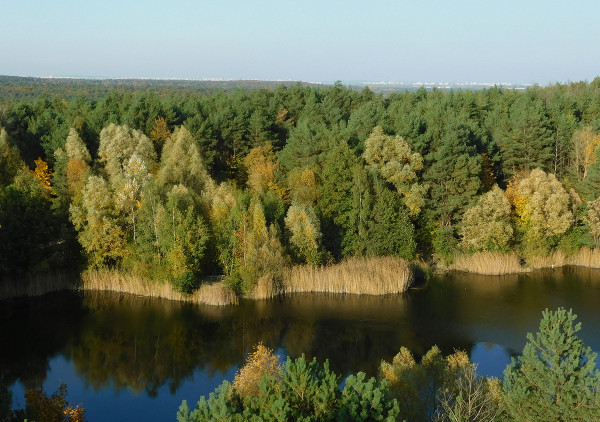
Belts of inland sand dunes, overgrown with pinewoods, add to the attractiveness of the park’s landscape. In the depressions between the dunes there are peat bogs, meadows and marshes covered with a growth of alder.
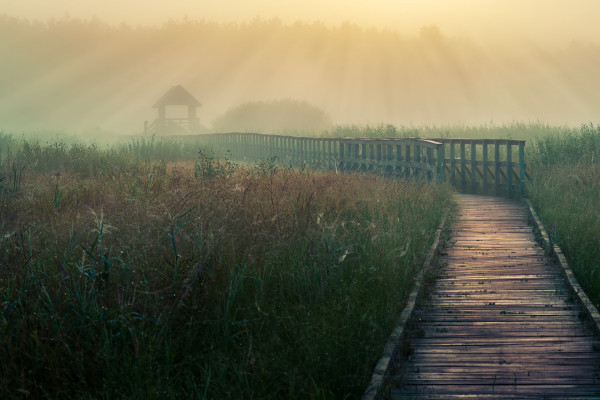
In places it is reminiscent of the tundra or the transitional zone between tundra and taiga.
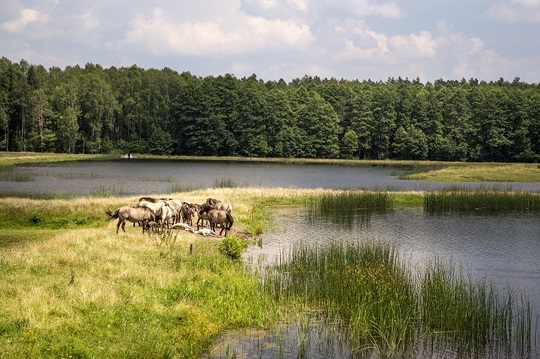
Forests, mainly beech and fir, cover 93 percent of the park’s territory. The rich flora includes lowland and highland species, as well as steno thermal species from South Eastern Europe.
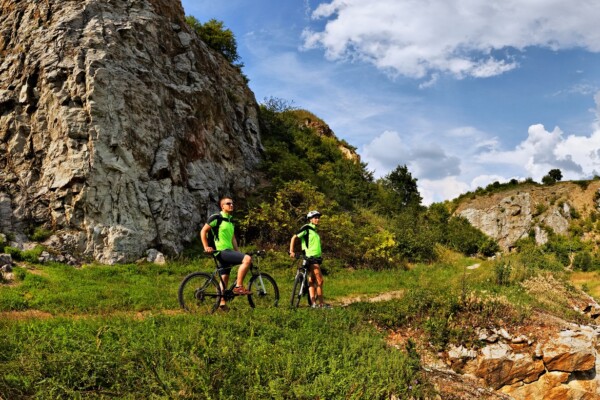
The Swietokrzyskie Mountains, the oldest range in Poland, are formed from Paleozoic rocks. Particular attention should be drawn to the small, totally deforested areas, called goloborza, covered with quartzite boulders and completely stripped of vegetation.
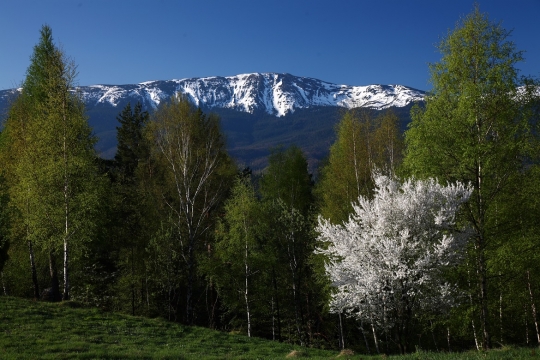
The woods here are very similar to a primeval forest, the environmental value of which was recognized by the park’s entry on the UNESCO list of World Biosphere Reserves. The lower slopes are dominated by fir and beech forest mixed with spruce and sycamore trees. Spruce, mountain ash and dwarf mountain pine predominate in the upper slopes.
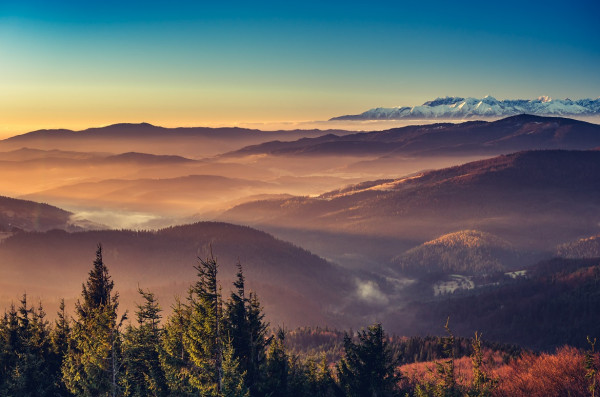
This is a typical mountain forest park with rising slopes of tree stands. The Carpathian beech and fir woods make up the lower slopes, while the upper slopes of the mountain are dominated by spruce forest. Both Alpine and the natural endemic plants cover the numerous mountain glades.
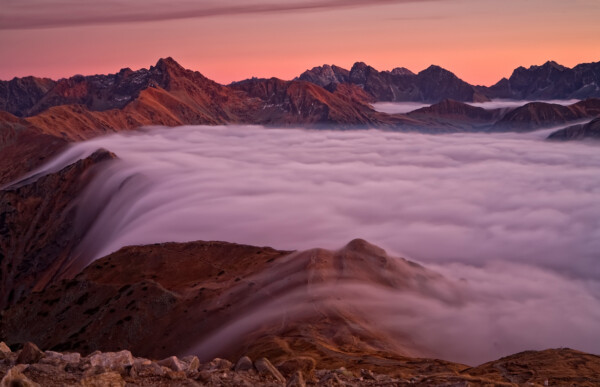
On the Polish side, the park surrounds and protects the whole Tatra massif with its highest peak, Mount Rysy (2,499 meters above sea level), and is the only region of an Alpine character in Poland. The jagged granite ridges and forested slopes, post-glacial depressions, mountain lakes, numerous caves and scenic valleys with rushing mountain streams create one of the most beautiful landscapes in Poland.
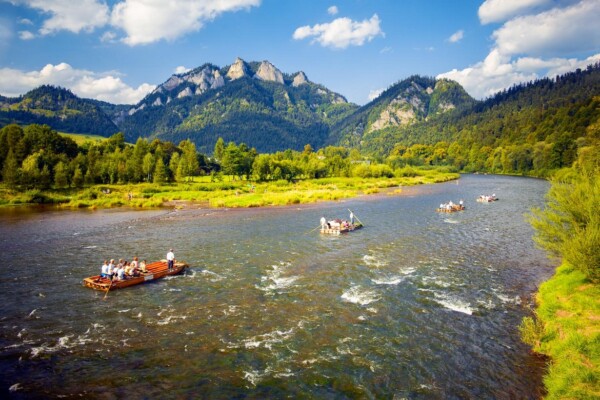
The most characteristic feature of this range is its particularly diversified landscape. During the traditional raft and kayak trips down the Dunajec River, visitors are able to admire the picturesque crags and peaks, steep rocky walls and several hundred meter high precipices dropping down to the river.
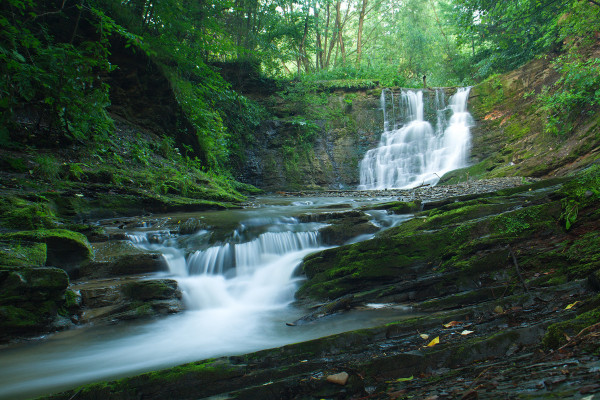
It covers areas typical of the Beskid Range landscape with forested dome-like hills that are separated from each other by rivers or small stream valleys.
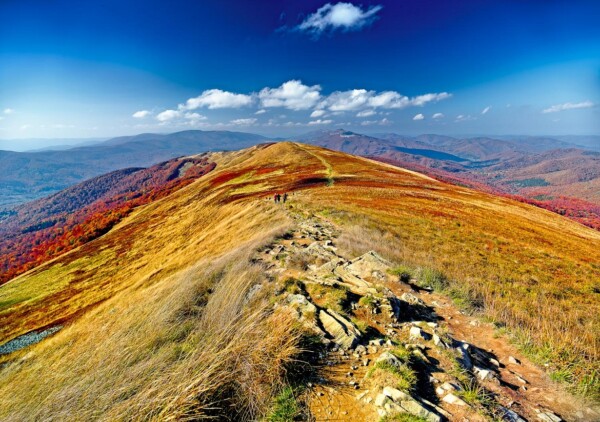
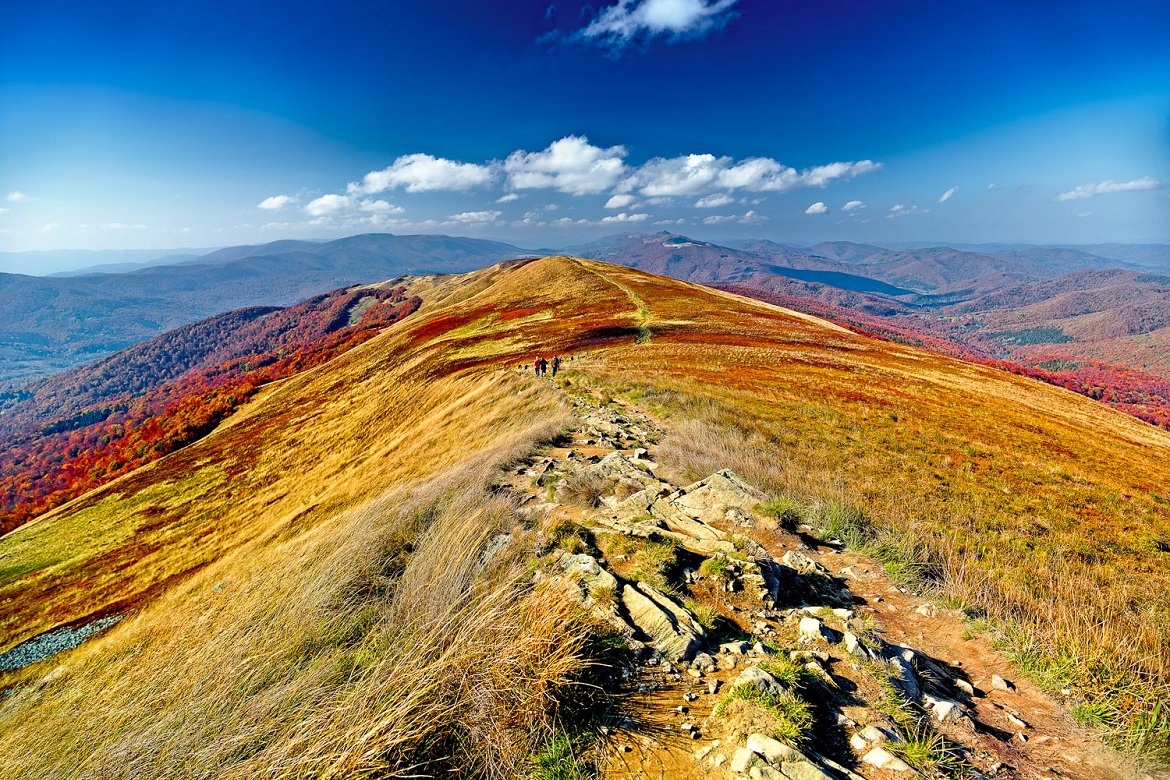
Woodless, grass-covered ridges, called połoniny, are a distinctive feature of the mountains in this park. These mountain meadows are filled with a great number of rare, East Carpathian plants. Forests, mostly beech with some fir and sycamore stands, cover 87 percent of the park. Bear, wolf, red deer, bison, lynx to mention only a few mammals, and about 150 species of birds have found a haven here.
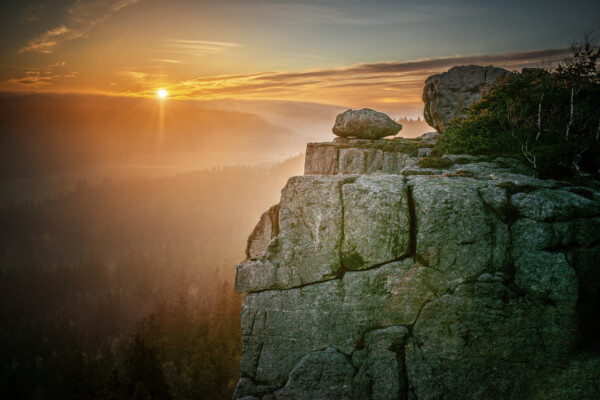
The Stołowe Mountains National Park was created on September 16th, 1993. It is situated in the middle Sudeten, in the Kłodzko region on the Polish-Czech border. The Stołowe Mountains National Park covers the area of 63 km2 (24 mi2). Among the tourist attractions, there are two major massifs. At 919 m (3,015 ft), the Szczeliniec Wielki is the highest peak and holds the fantastic rock maze. The second highest peak at 915 m (3,002 ft), Skalniak is home to the Błędne Skały (Errant Rocks) labyrinth. Near the park there are several popular health resorts: Polanica Zdrój, Duszniki Zdrój, Kudowa Zdrój.
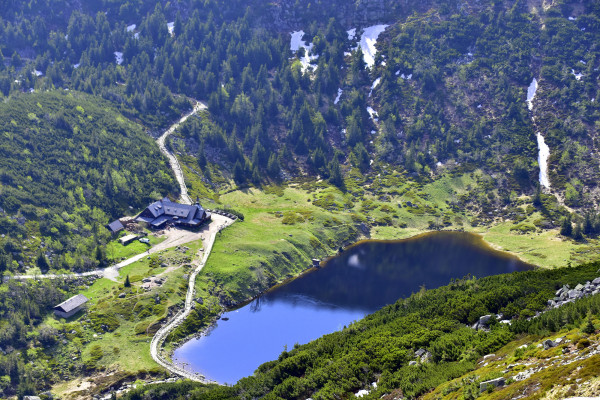
The Karkonosze National Park was formally established on January 16th in 1959. It is located in south-western Poland, on the Czech border. The Park area covers northern slopes of the Karkonosze, which are the highest and largest range of the Sudetes, starting from the Okraj Pass (1046 m) in the east up to Mumlawski Wierch (1219 m) in the west.
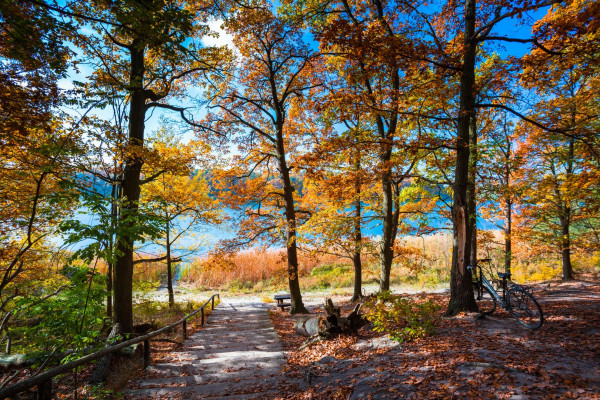
Here you will find hills (130 meters above sea level), sub glacial channels and lakes. Pine and mixed forests cover a major part of the park.
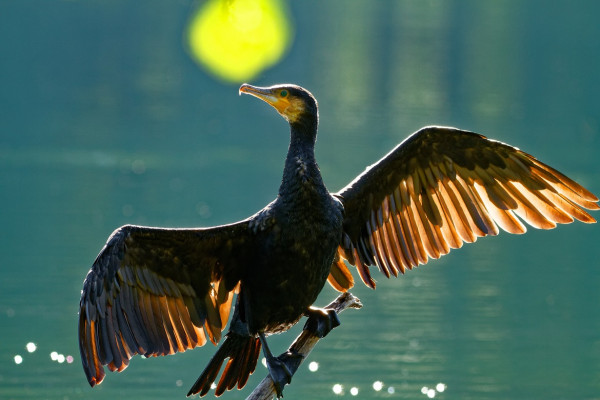
This sandy, flat land is overgrown with pinewoods, cut across with river valleys and dotted with many post-glacial lakes. Peat bogs that are home to certain rare post-glacial plants can be found in numerous glacial depressions and at the edges of small forest lakes.
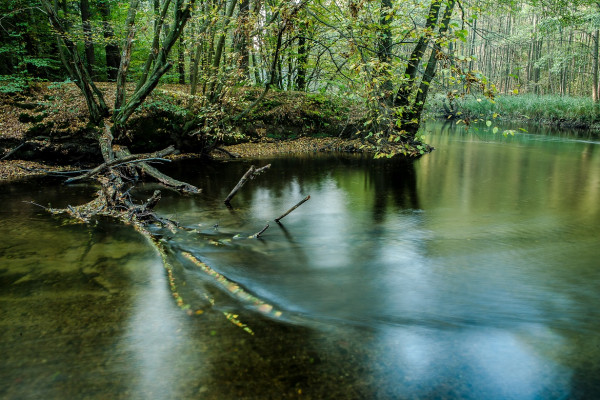
Its area covers 11,019 hectares, 83% of which are forest areas (9119 hectares). The diversified landscape was formed during the socalled Baltic glaciation period.
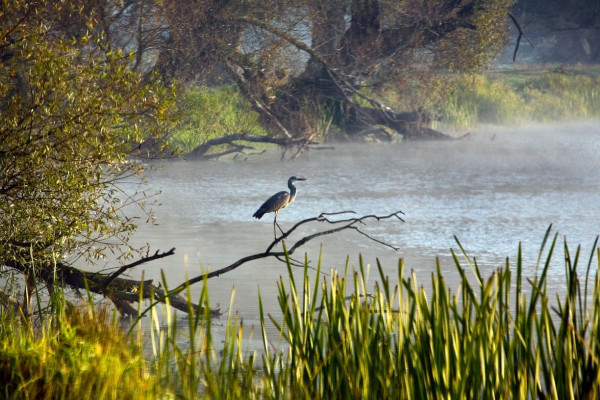
The ‘Ujście Warty’ National Park is the youngest national park in Poland – it was established in 2001. Its area is approximately 8,000 ha. The symbol of the park is the tundra goose. The park is a unique wetland area, not only nationally but also in Europe. The vegetation of the Warta Mouth National Park is dominated by extensive meadows, sedges and reed beds. This area is a real bird kingdom.
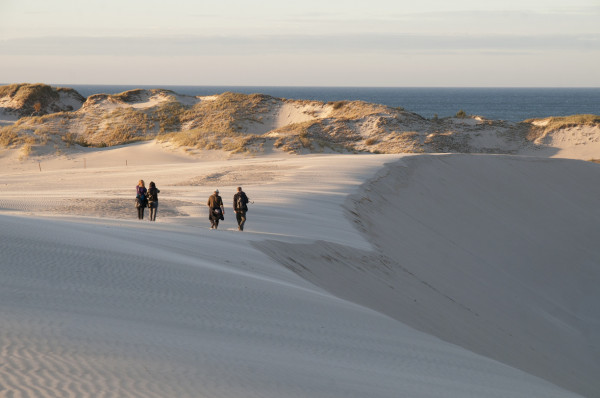
Along the Baltic Coast of Northern Poland, in the Pomerania Region is the Slowinski National Park. It was founded to preserve beauty of the seaside coastline including lakes system, peat bogs, meadows and woods. But the most important is to protect the most exceptional in Europe belt of moving dunes. As they move along the Mierzeja Lebska (Lebska Spit), they uncover ancient tree stumps and the fossilized remains of forest once growing there.
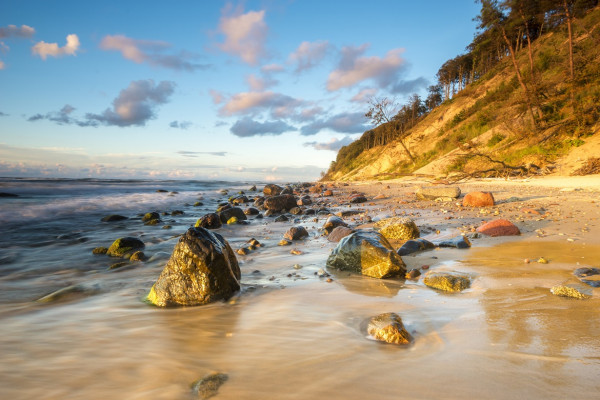
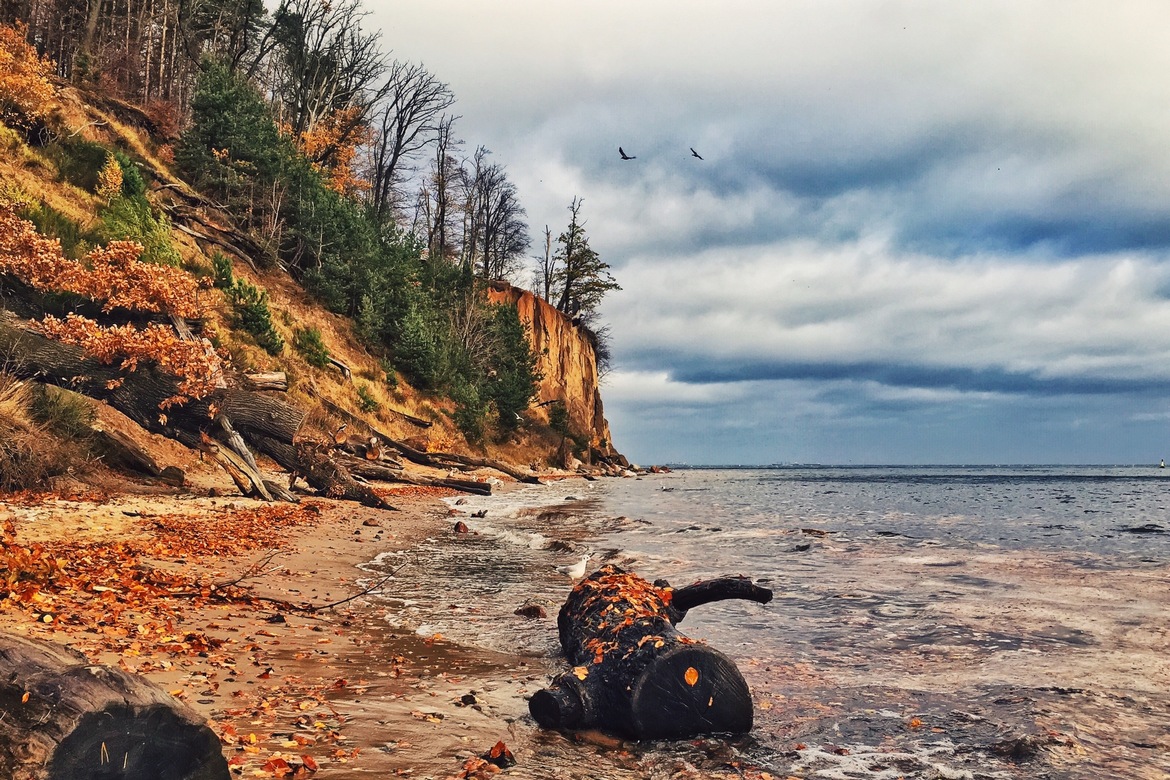
The special features of the park are: the most beautiful stretch of the Polish cliff coast, the unique island-like delta of the Swina River, as well as the coastal strip of Baltic waters. The symbol of the park is a white-tailed eagle which can be seen next to the park’s nature museum.
Photos from Poland
See photos of instagramers