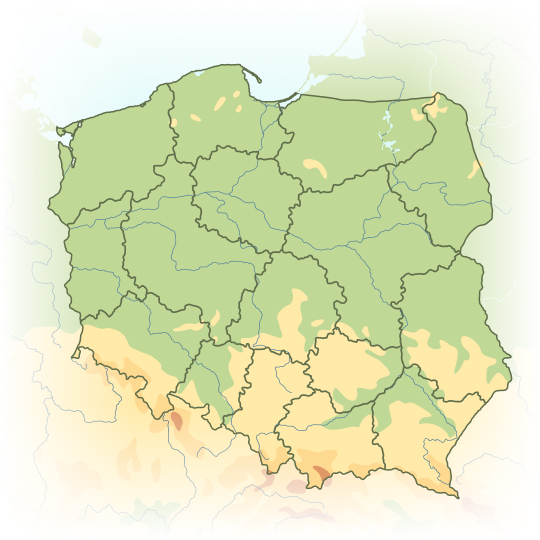
Regions
Discover Poland’s 16 amazing regions

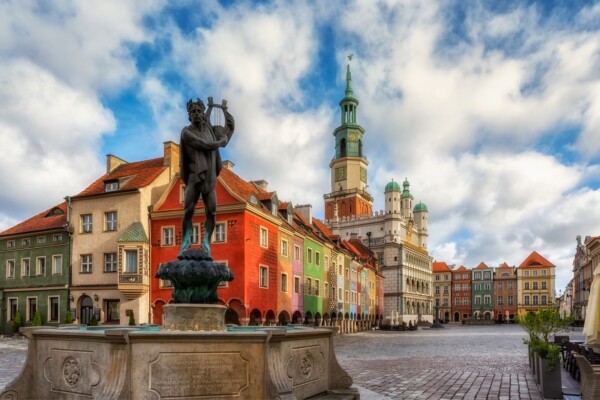
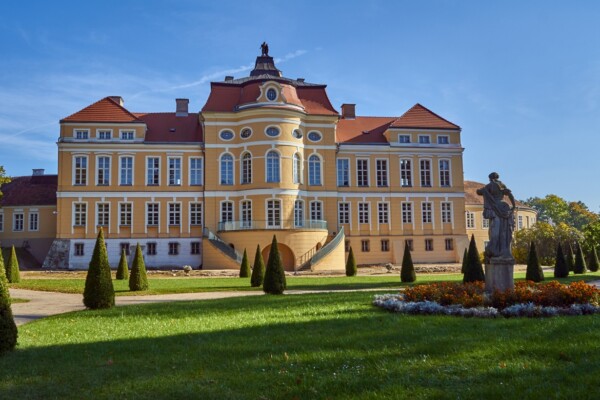
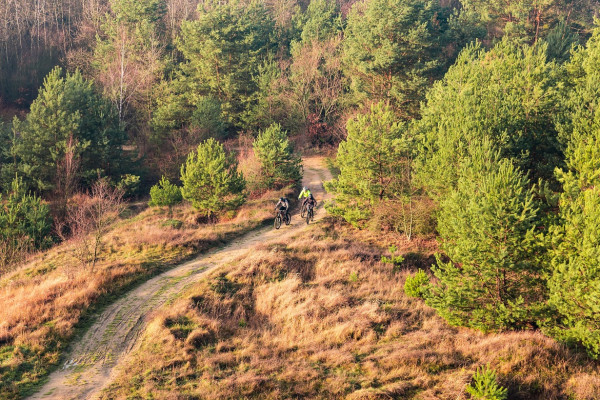
This is a region with many valued historical sites, castles and palaces as well as attractions for fans of industrial tourism (it is home to Poland’s first capital city, Gniezno). The province also has plenty of valuable natural areas including two national parks (Wielkopolska National Park and part of Drawa National Park), which hold great potential for active tourism such as the Great Wielkopolska Loop. The region’s capital is Poznań, Poland’s most important trade-fair centre.
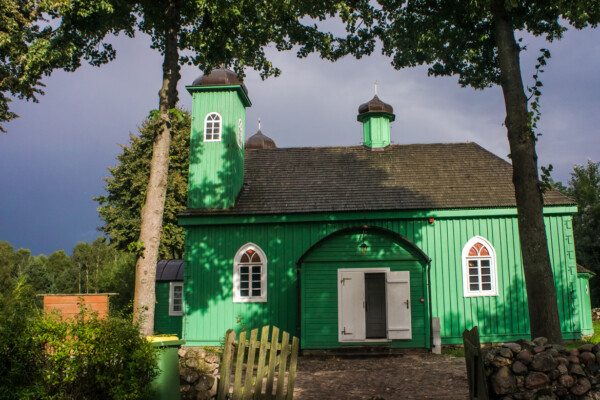
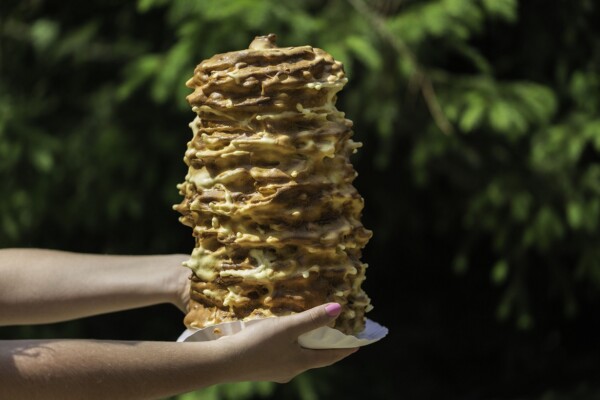
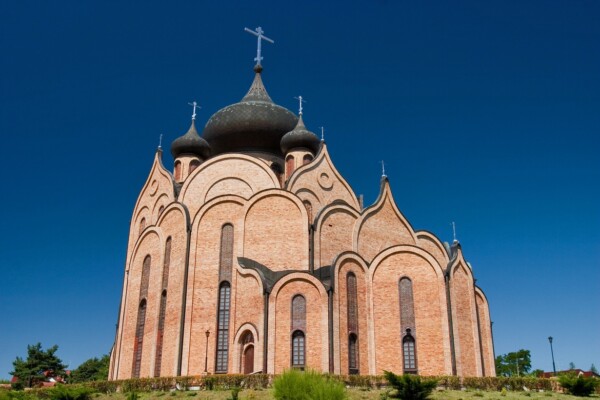
A picturesque region with remarkable rivers and lakes, the least urbanised part of Poland; idyllic landscapes, charming localities, health resorts, and four national parks (Białowieża, Biebrza, Narew and Wigry) welcome tourists; the region includes the UNESCO-listed Białowieża Forest; Podlaskie province, with hospitable Białystok as its capital, has many multicultural attractions…
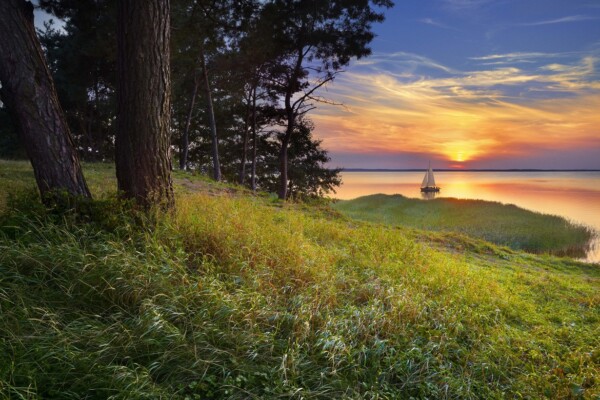
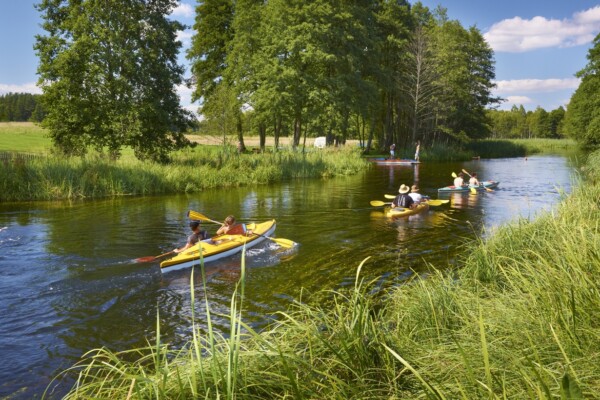
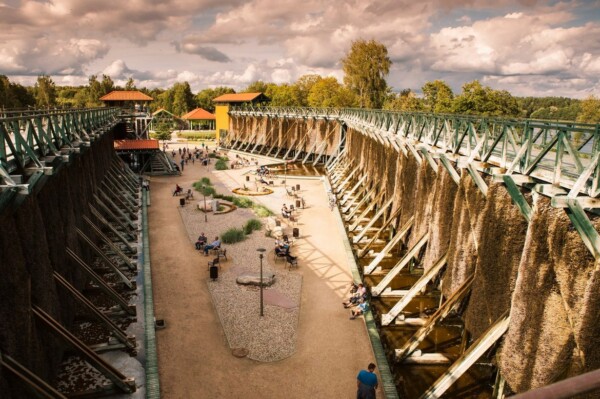
A region very popular among tourists for the Great Masurian Lakes, summer resorts and health spas, visitors will discover many charming towns lying amidst beautiful forests and bodies of water.
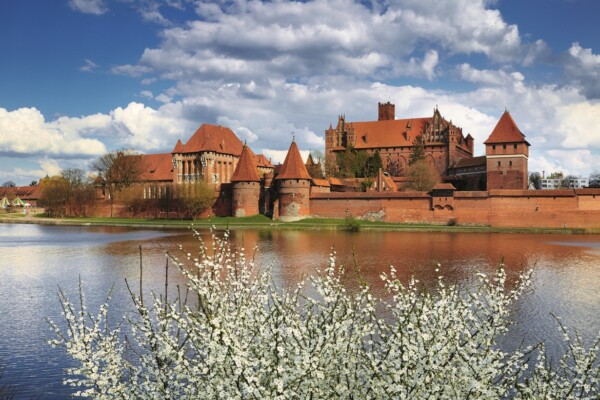
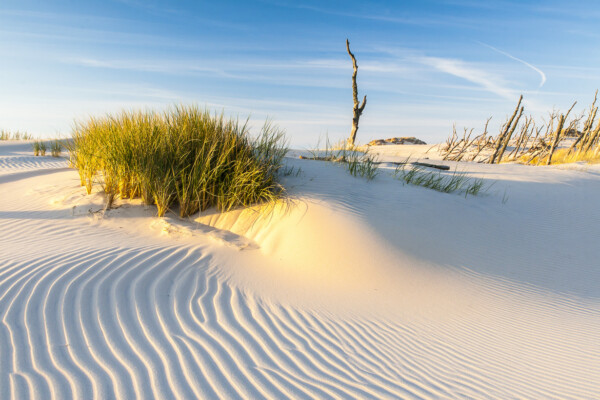
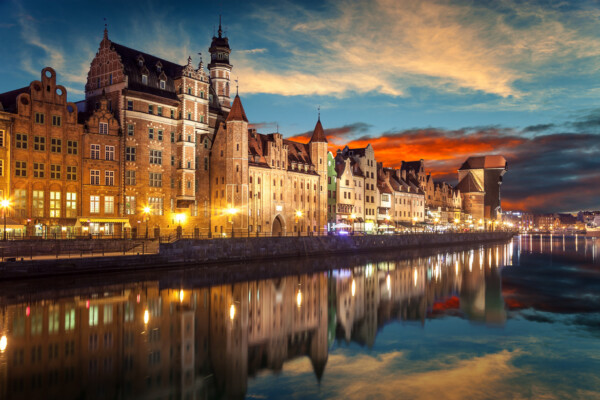
As a destination, this province is great for health resorts and spas on the Baltic Sea as well as many interesting historical sites. Highlights include the UNESCO-listed Castle of the Teutonic Order in Malbork, two national parks (Słowiński and Tuchola Forest) also cultural and historical ones, starting with the region’s capital of Gdańsk.
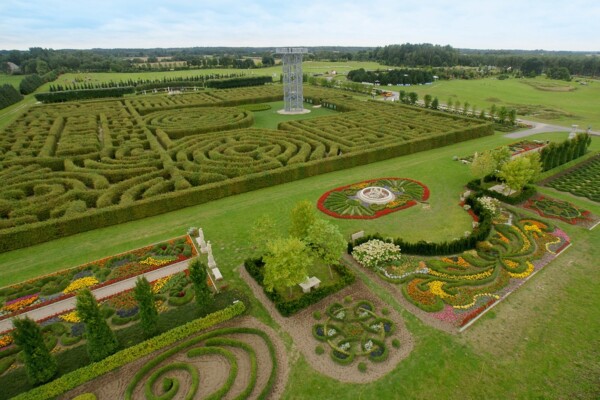
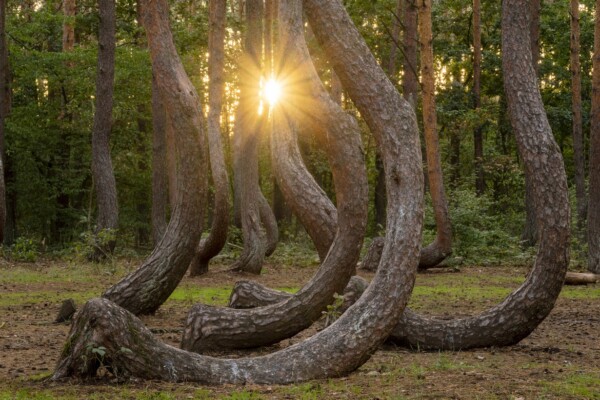
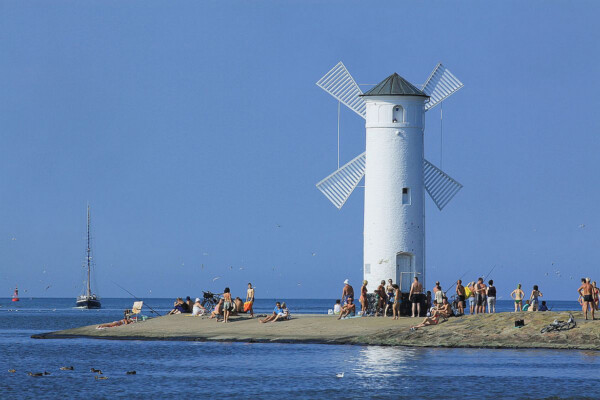
A coastal region offering lots of great adventures and home to many seaside resorts and famous health spas, the province has attractive natural areas including two national parks (Wolin and Drawa). Zachodniopomorskie province is a region with lots of attractions for every tourist.
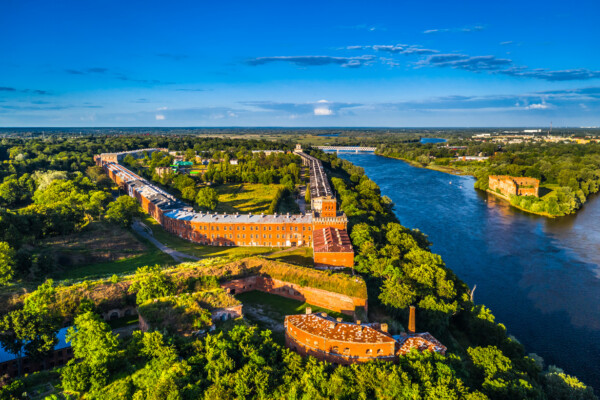
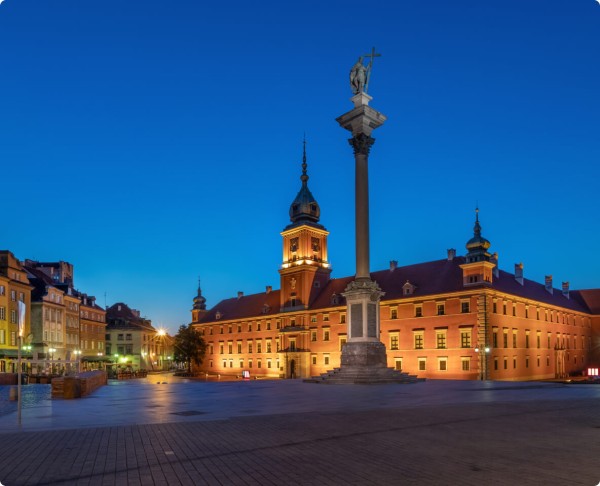
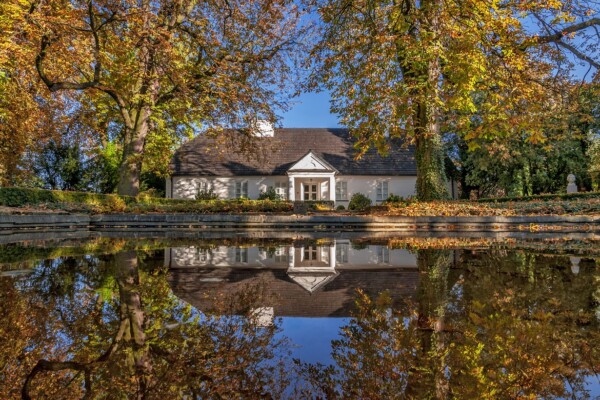
Filled with attractions for the active and history-loving tourist, with traces of Chopin’s life and work, this is the largest province and home to Poland’s capital city – Warsaw, whose Old Town is a UNESCO-listed heritage site. To the south of the capital lies a health resort, and to the north-west Kampinos National Park, not to mention the surrounding localities explored via the winding roads of Mazovia…
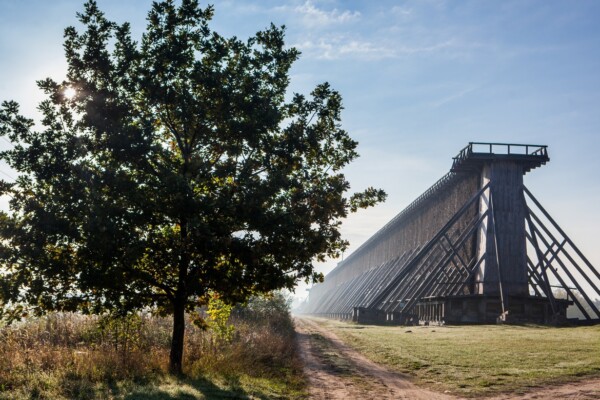
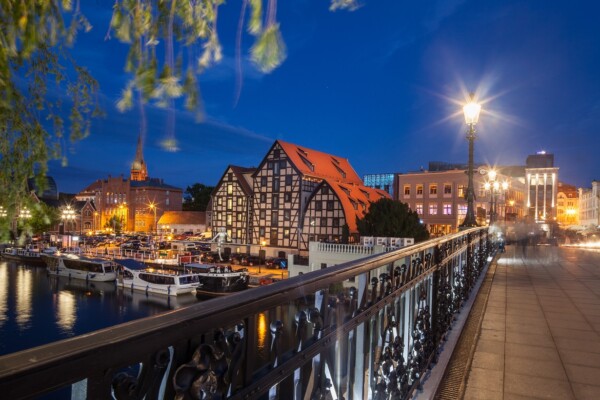
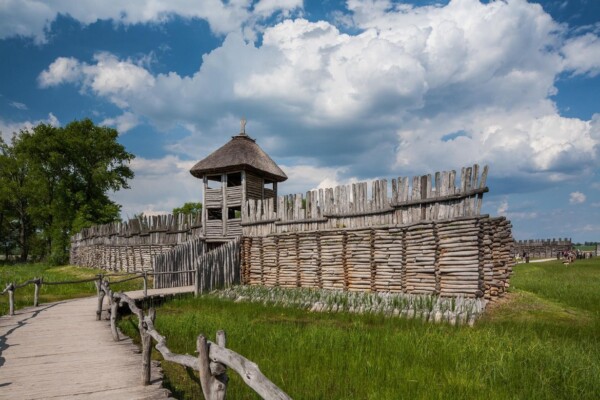
Filled with ancient Slavic sites, famous health resorts and natural attractions, the province also includes a gem of Gothic architecture – Toruń – whose historical centre, with the 14th-century Town Hall, tenements and fragments of castle walls, is a UNESCO-listed heritage site.
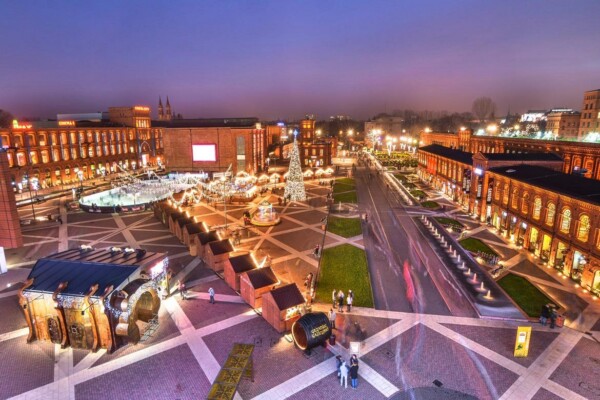
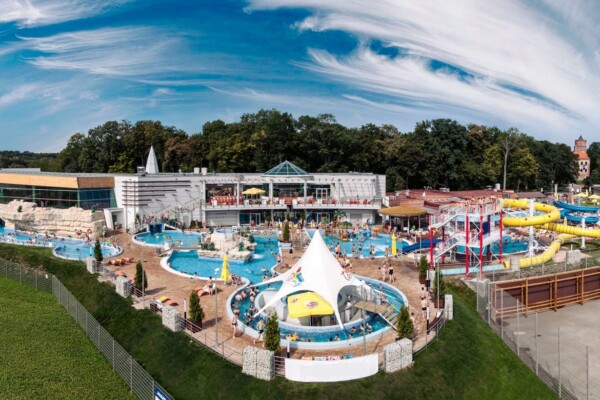
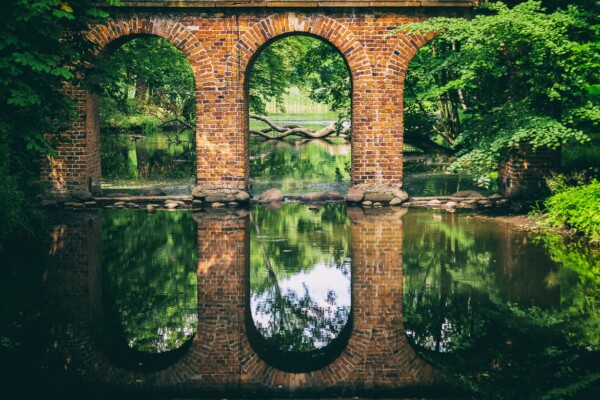
A region with an ever-growing number of tourist attractions, both natural and manmade, not to mention Poland’s only thermal spa in Uniejów and a skiing facility in the heart of Poland: Kamieńsk Hill on the slope of the Bełchatów mine. The geometric centre of Poland lies in Łódzkie province, in the village of Piątek, and the province capital is the multicultural and modern city of Łódź.
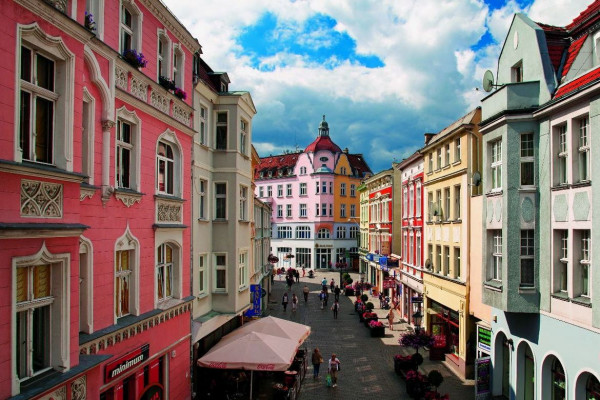
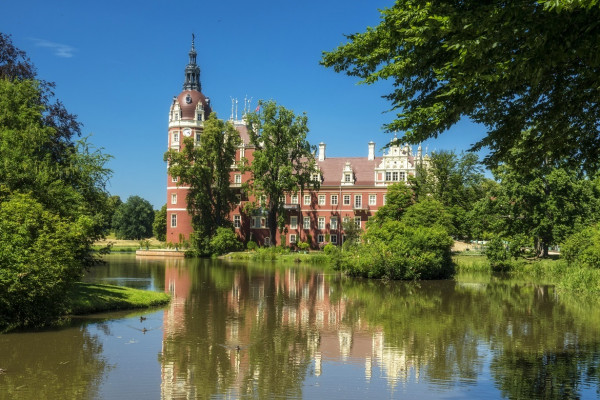
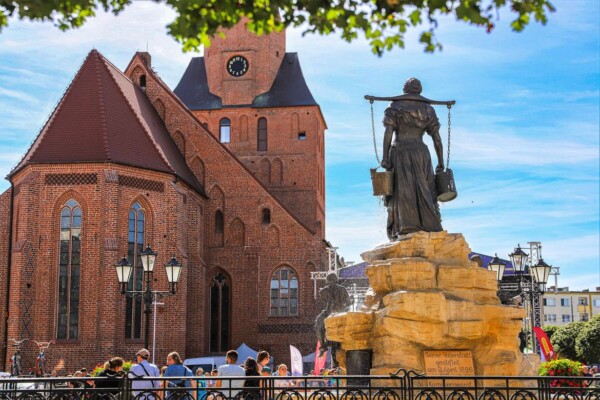
Poland’s most densely forested province, rich in natural attractions including a national park (Warta Mouth), historic buildings (e.g. Łagów Castle) and former military sites (the Międzyrzecz Fortification Region), as well as a UNESCO-listed site: Park Mużakowski. The province has two capitals: Zielona Góra and Gorzów Wielkopolski.
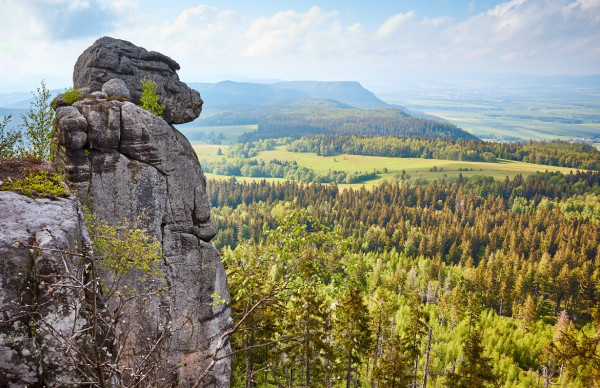
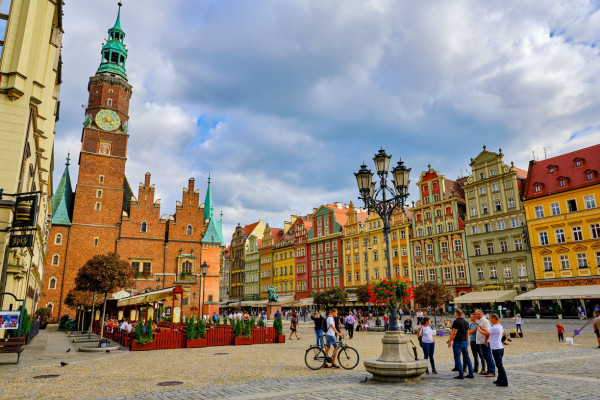
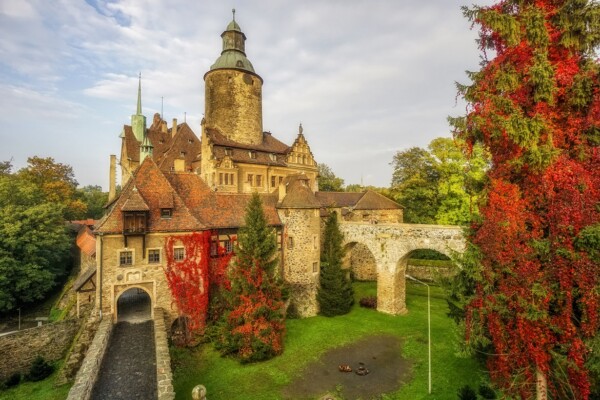
Home to a variety of architectural marvels (including Książ, Poland third largest castle) Lower Silesia also boasts mountains, two national parks (Karkonosze and Sowie Mountains), many mountain resorts and the greatest number of health spas in Poland. Dig a little deeper and you’ll also find two UNESCO-listed sites (the Churches of Peace in Jawor and Świdnica, and the Centennial Hall in Wrocław), as well as the bustling regional capital, Wrocław.
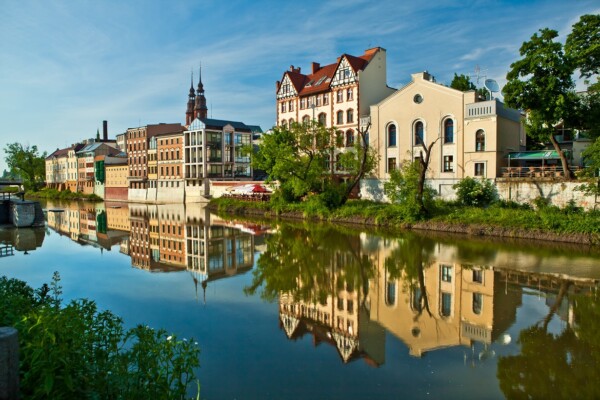
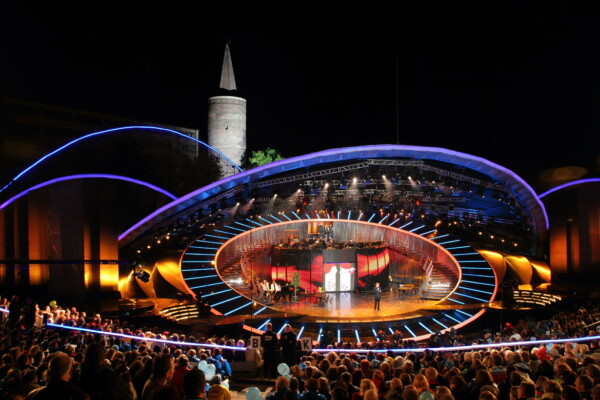
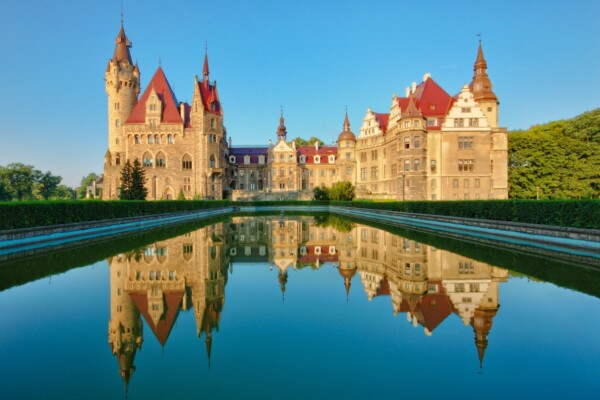
Poland’s smallest province, but one that is rich in culture and full of treasures for tourists. There’s something for everyone here – whether you’re looking to sightsee or are craving some relaxation. The region boasts beautiful lakes and rivers, famous castles and palaces, fascinating natural, historical and even prehistoric sites; the capital of Opolskie province is the “singing” city of Opole…
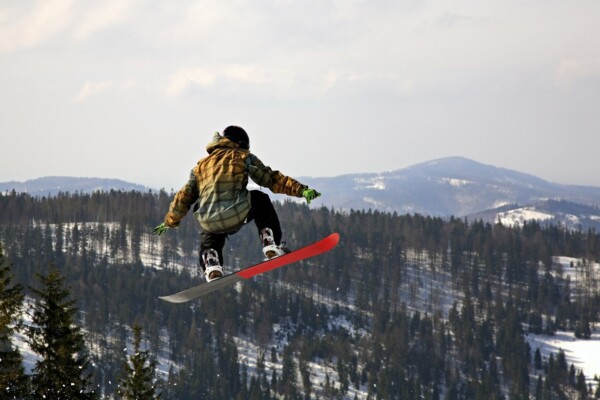
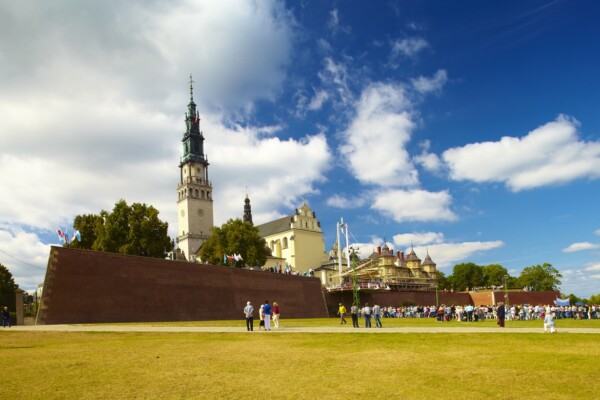
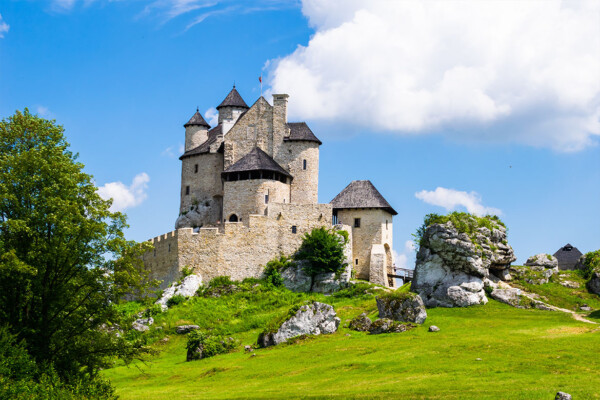
Śląśkie (Silesia) is a province rich in mineral and natural resources and is one of the most important industrial regions of Poland. Silesia’s largest city and historical capital is Wrocław, and the major metropolitan area is the Upper Silesian metro area with Katowice at its center. The multiethnic heritage of the region delivers deep and enriching cultural exploration of local history, tradition, and customs.
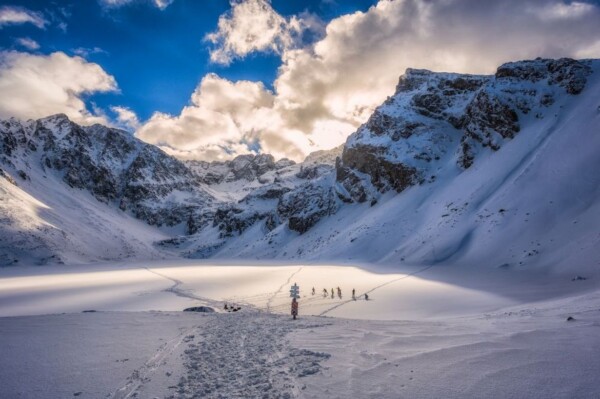
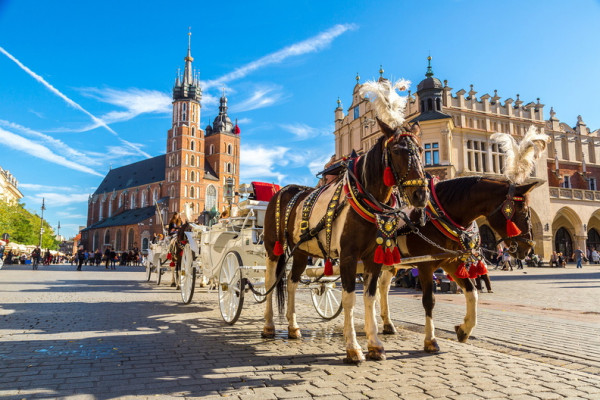
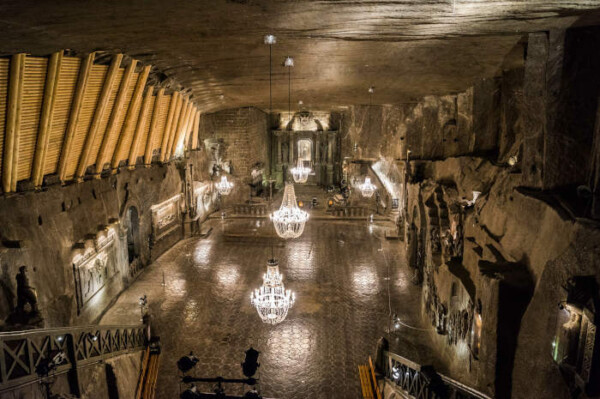
The Małopolska Province is where one finds some of Poland’s most visited sites. This most varied region stretches from the snowy peaks of the Tatra Mountains to the rugged limestone cliffs of Kraków-Częstochowa Upland, and the scenic, low lying Vistula River Valley.
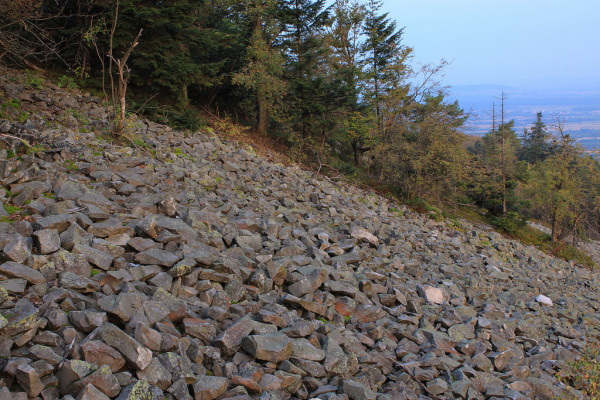
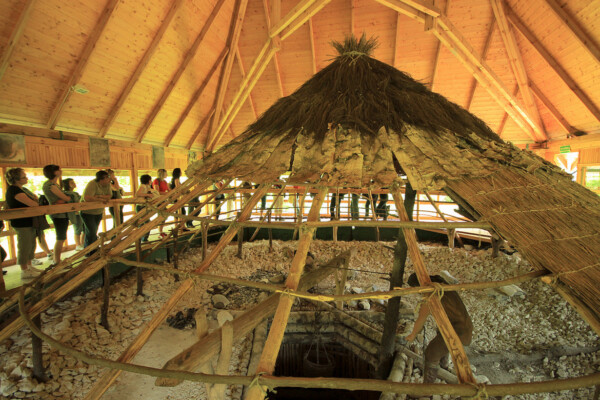
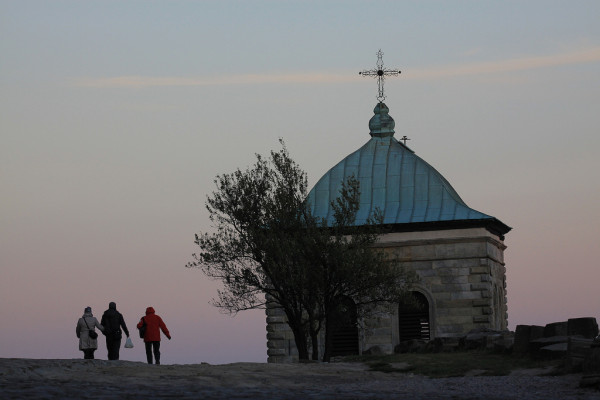
This is a charming province, home to the Świętokrzyskie Mountains and Świętokrzyski National Park. The region is all about hermit and monastic traditions, age-old legends and dinosaurs combined with picturesque towns, multiple historical sites and famous health resorts. The regional capital is Kielce.
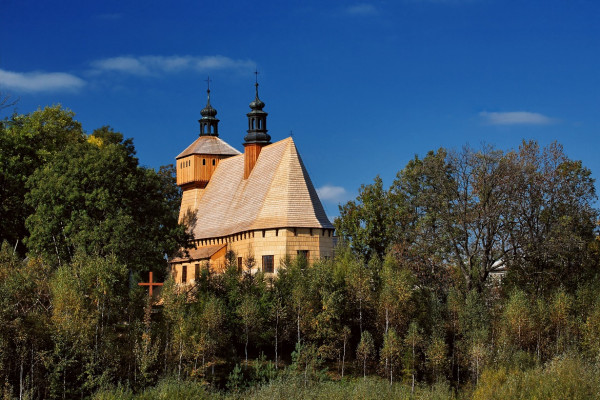
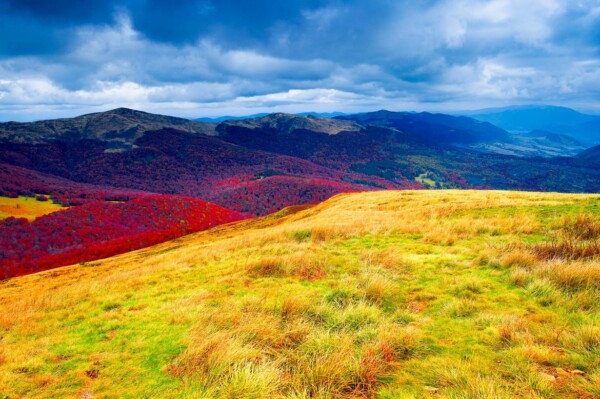
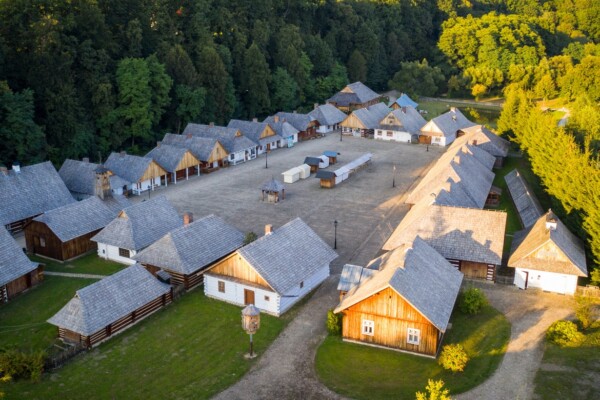
Podkarpackie is one of the greenest regions of Poland. There are pristine meadows and beautiful forests. Over one third of the region’s area, including remnants of the ancient Carpathian primeval Forest, is protected. Mighty wisents, lynxes, wildcats, and a number of rare bird species such as the golden eagle, are just a few of many species you can meet while hiking in the area.
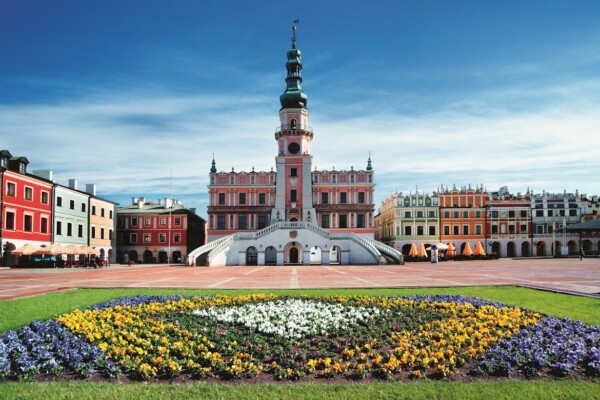
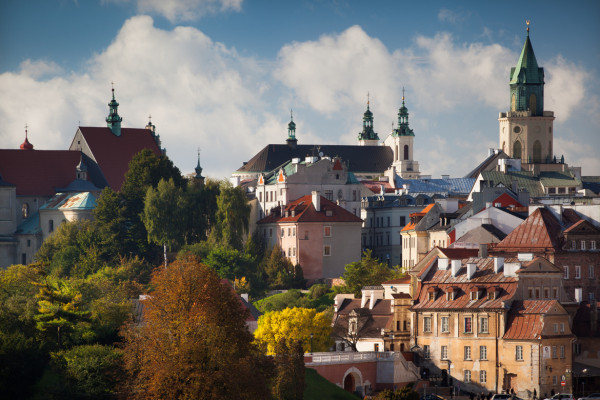
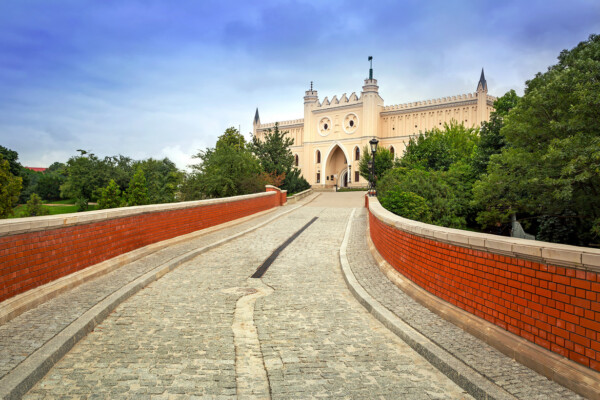
Beautifully situated between the rivers Vistula and Bug, at the junction of Eastern and Western culture, Lubelskie has an alluring exoticism. Offering a rich natural environment with two national parks (Roztocze and Polesie) as well as historical sites including the UNESCO-listed Old Town in Zamość, the region tempts visitors with boats trips along the Vistula in Kazimierz, hiking in the Vistula glacial valley, treatments at health resorts and historic architecture in the province capital – Lublin.
Photos from Poland
See photos of instagramers