
Gdynia and its UNESCO World Heritage: Discover Modernism by the Baltic Sea
Gdynia and its UNESCO World Heritage: Discover Modernism by the Baltic Sea
Gdynia has an unusual story. In just a few decades, a small coastal settlement grew into Poland’s new port city. Today, its modernist city centre is part of the UNESCO World Heritage List.
The UNESCO designation covers not just one landmark, but the urban landscape as a whole – its streets, buildings, public spaces and the relationship between the city, the port and the Baltic Sea. The protected area covers around 88 hectares and nearly 450 buildings.
The best way to experience it? On foot.
From a small coastal settlement to a modern city
Gdynia is one of Poland’s youngest cities. Its transformation began after Poland regained independence in 1918, when the decision to build a new Polish port on the Baltic gave the small coastal settlement a completely new future.
During the 1920s and 1930s, Gdynia grew at remarkable speed. A new city centre emerged, shaped by the ideas of modern architecture and urban planning of the time.
The architects and planners were not simply designing individual buildings. They were creating an entire modern city – with homes, shops, public buildings, streets and public spaces designed as part of one coherent urban landscape.
That is what makes Gdynia special today. Its modernist character is not limited to a handful of famous buildings. You can experience it throughout the city centre.
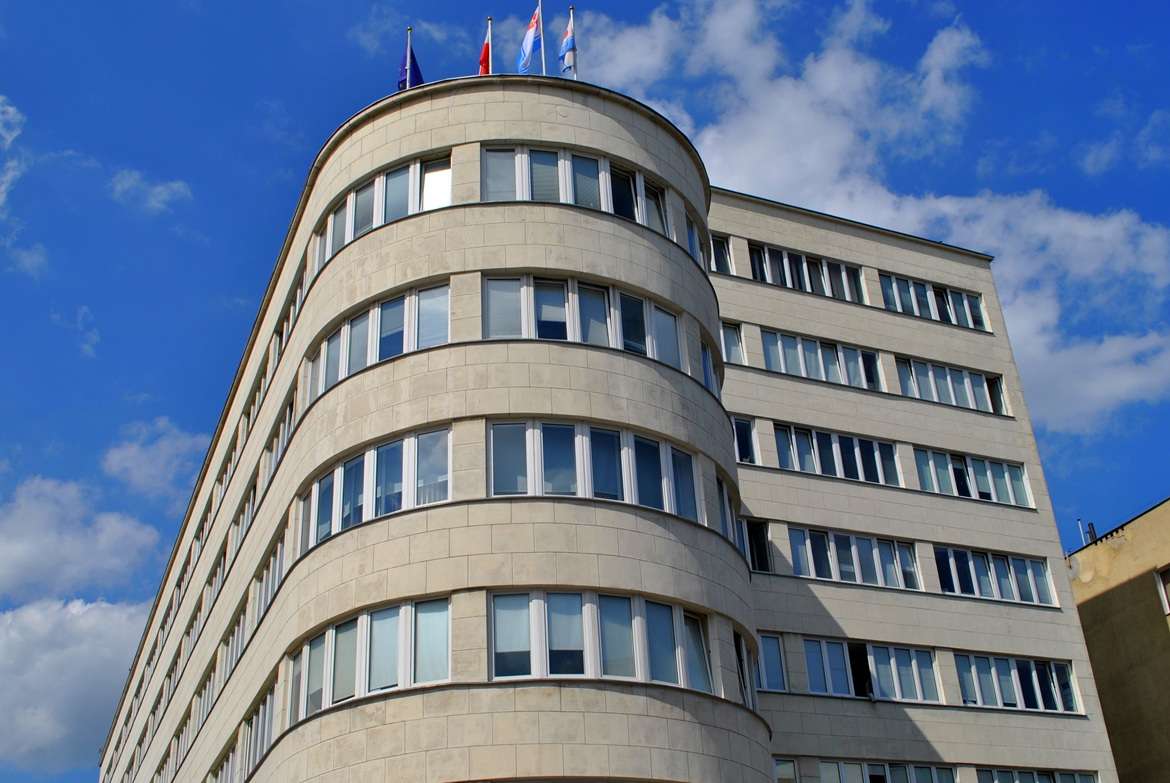
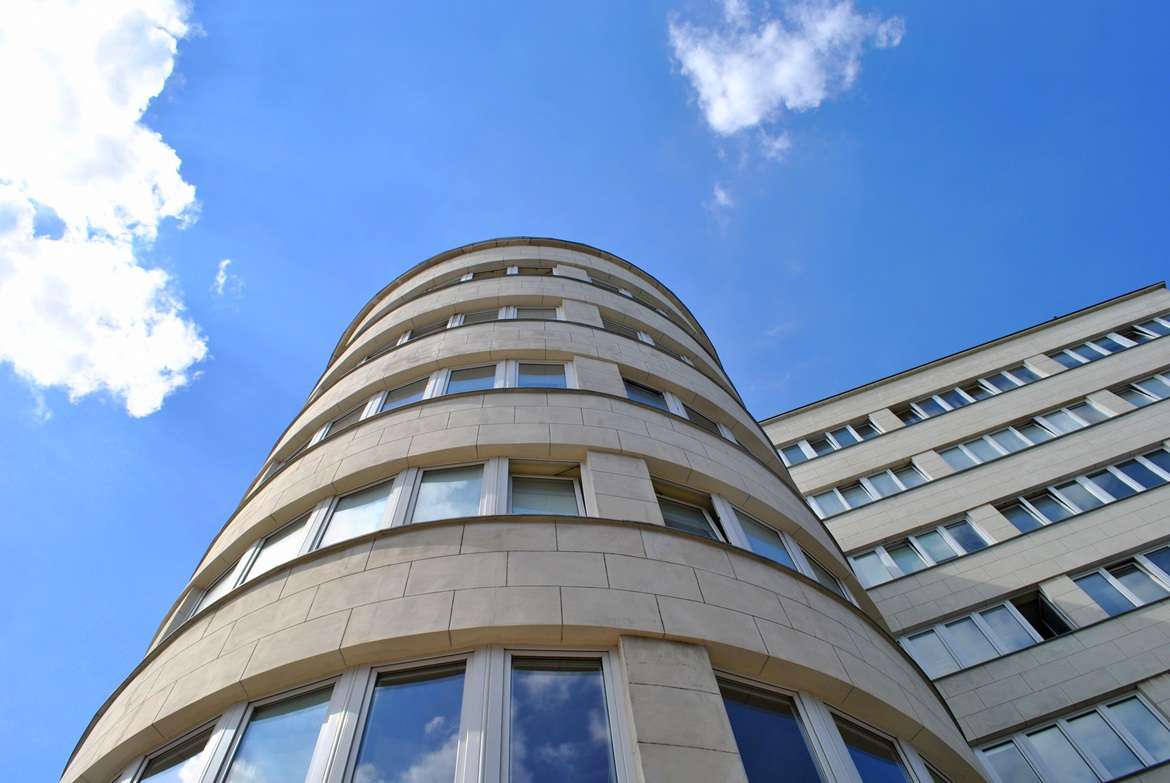
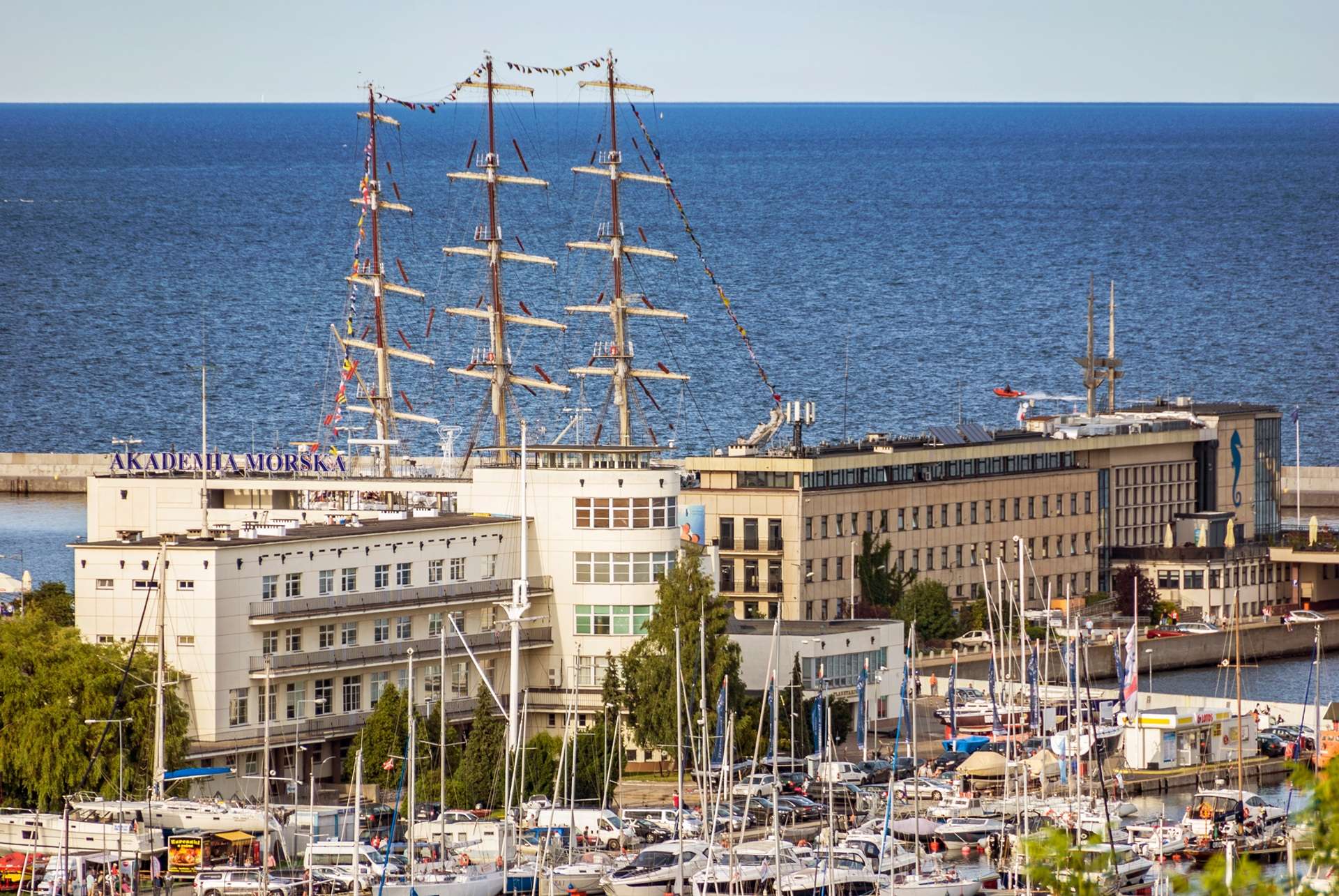
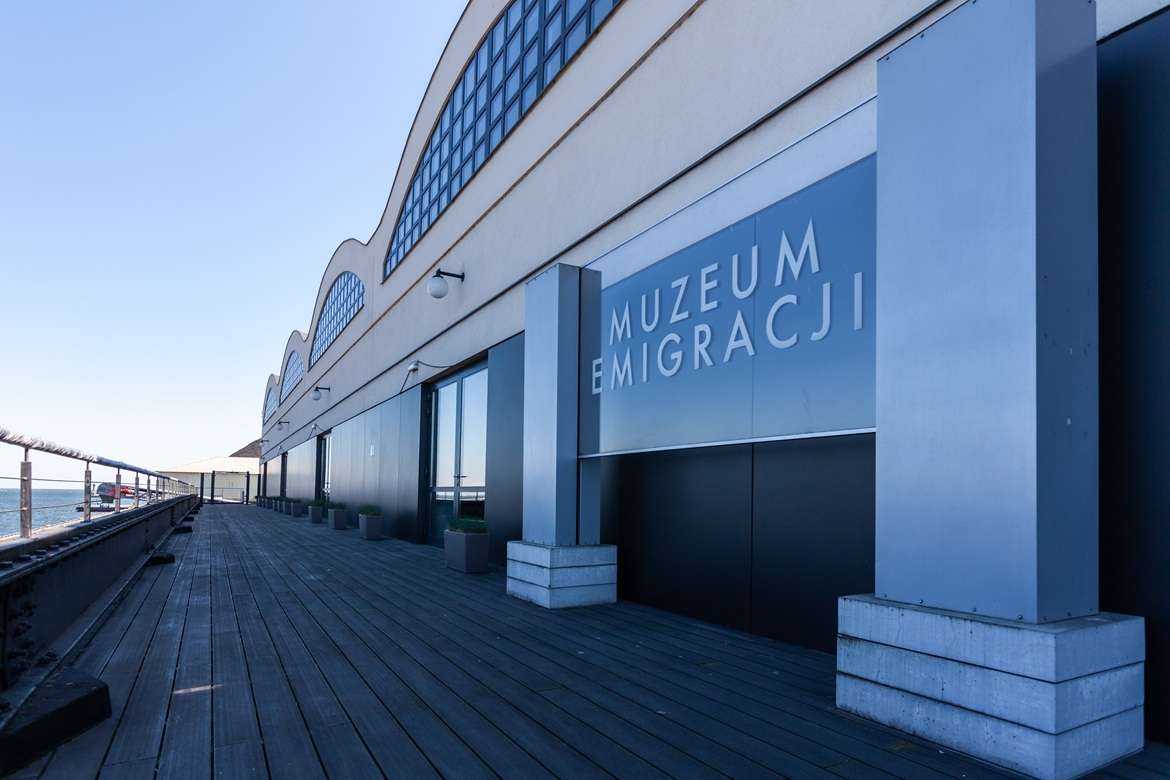
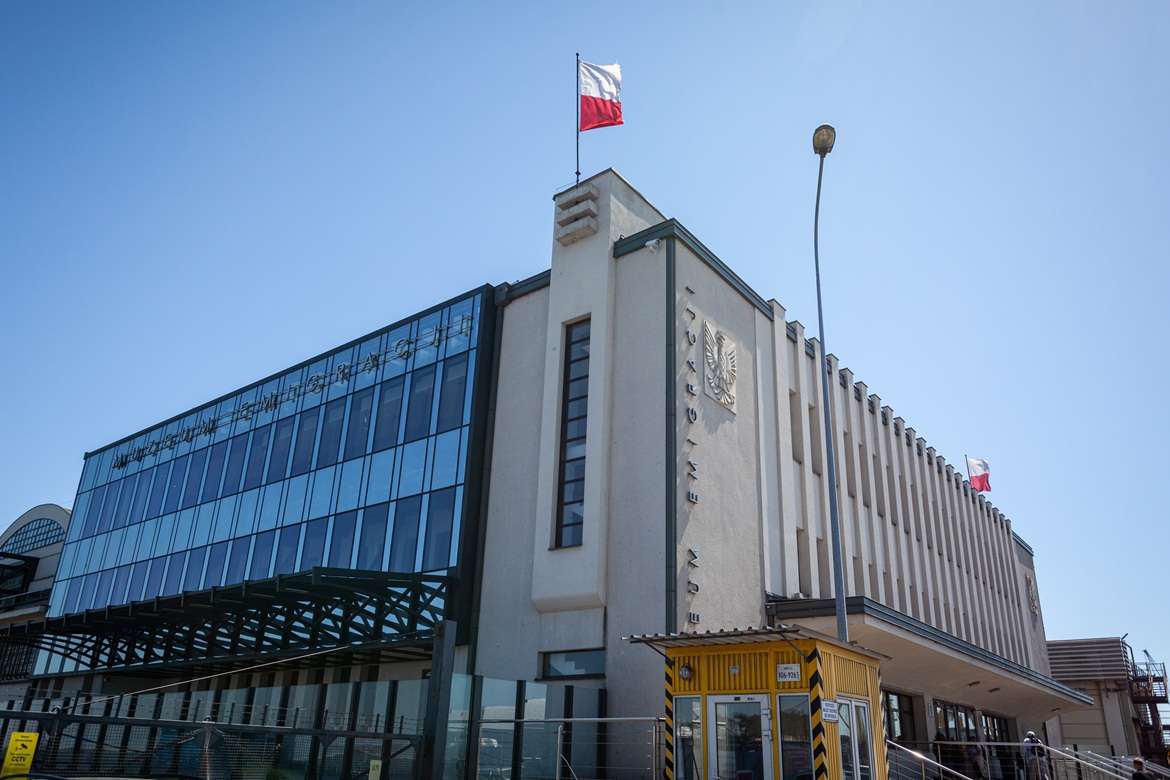
Modernist Gdynia: a city shaped by the sea
The best way to discover Gdynia’s UNESCO-listed city centre is to walk.
Look out for the features that define its modernist architecture: clean geometric lines, light façades, rounded corners and large windows. Some buildings may look understated at first, but take a closer look and the details begin to stand out.
Look for railings, windows, staircases and other architectural details. They reveal the character of the 1930s just as much as the larger façades do.
And don’t look only at individual buildings. The streets and blocks were carefully planned as part of a modern port city, with the sea and harbour playing an important role in the city’s layout.
A walking route through Gdynia’s modernist centre
For a first walk, make time for these places:
📍 10 Lutego Street
One of the key streets in central Gdynia. It offers a good introduction to the representative architecture that shaped the city during the interwar period.
📍 Bankowiec, 3 Maja Street
One of the best-known examples of Gdynia’s modernist architecture. This residential and commercial complex shows how the new architectural ideas became part of everyday life in the rapidly growing city.
📍 Dom Żeglarza Polskiego – Polish Sailors’ House
A building that reflects Gdynia’s close relationship with the sea and its maritime identity.
📍 Gdynia Market Hall
A striking example of modernist architecture designed for everyday life. The market still serves its original purpose, making it an interesting stop on a walk through the city.
As you explore, take your time. In Gdynia, some of the most interesting details are easy to miss if you only look for famous landmarks.
From modernist streets straight to the Baltic
One of the pleasures of exploring Gdynia is how easily the city opens towards the sea.
After your walk through the modernist centre, head towards Kościuszko Square, the marina or the Nadmorski Boulevard. Within minutes, the architecture gives way to open views of the Baltic.
This is where the story of Gdynia becomes especially clear. The modern city centre and the sea are part of the same experience.
Start with the modernist streets, follow them towards the water, and you will quickly see what makes Gdynia different from other cities on Poland’s Baltic coast.
While you’re in Gdynia
The modernist centre is a great place to start exploring Gdynia, but don’t stop there.
Gdynia is a city where the sea, urban life and nature are unusually close together. After exploring the centre, take some time to enjoy the waterfront, walk along the coast or simply sit by the Baltic and watch the city go by.
The marina and Kościuszko Square are natural places to continue your walk. From there, the Nadmorski Boulevard offers an easy route along the coast and a different perspective on the city.
If you want to understand Gdynia beyond its architecture, spend a little more time outdoors. The city’s location between the Baltic Sea and the surrounding green areas is part of its character – and one of the reasons it feels different from many other Polish cities.
You can easily combine architecture, the sea and a walk outdoors in a single day.
Why visit Gdynia?
Gdynia tells a different story from many European cities.
It is not a medieval old town or a city built around centuries-old monuments. Its story is much younger: a bold vision of a modern Polish city by the Baltic Sea, created in the 1920s and 1930s.
Today, that vision can still be seen in the streets and buildings of the city centre.
Start with the modernist streets, follow them towards the water, look up at the architecture – and leave some time to simply enjoy the Baltic.
That is Gdynia: young, modernist, maritime and now officially part of the UNESCO World Heritage.