
Warsaw’s Vistula District: What to See and Do by the River
Warsaw’s Vistula District: What to See and Do by the River
Warsaw has an unofficial 19th district: the Vistula. It is not a neighbourhood in the usual sense, but a river that runs through the city and gives Warsaw two very different faces.
On the left bank, the Vistula is part of city life: riverside boulevards, cafés, cultural venues and some of the city’s most popular attractions. Across the water, the landscape changes. Sandy beaches, woodland and natural riverbanks stretch surprisingly close to the centre.
The trick is to see both sides.
Start at the Vistula Boulevards
The Vistula Boulevards are a natural starting point for exploring Warsaw by the river.
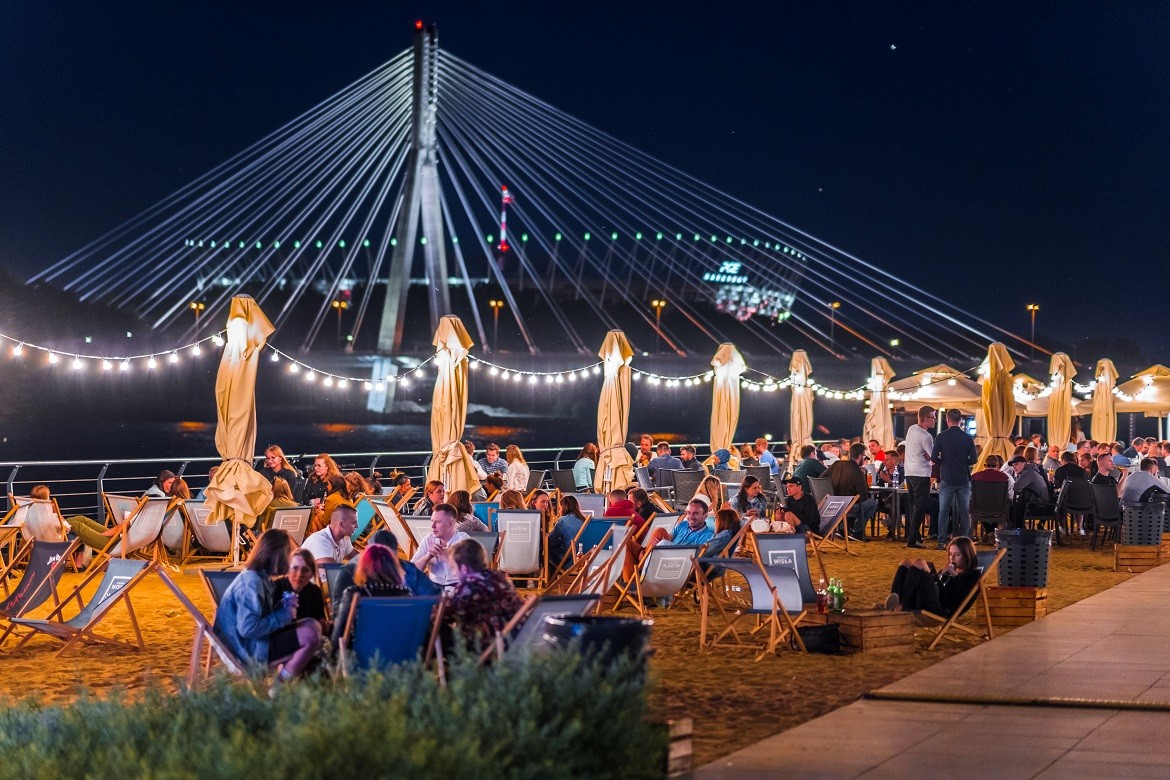
Running along the left bank, the promenade is made for walking and cycling, with places to sit, eat and watch the city go by. In summer, the riverfront becomes one of the places where Warsaw slows down: people meet friends, take an evening walk or settle in with a view of the water.
The boulevards also offer a different perspective on the city. Look across the river and the urban landscape gives way almost instantly to greenery.
For a first walk, head south from the Old Town towards Powiśle. Along the way, you can combine the riverside with several of Warsaw’s major attractions.
See Warsaw from the Magdalena Abakanowicz Bridge
The river is not just something to look at. You can walk across it.
The Magdalena Abakanowicz Bridge, a 452-metre pedestrian and cycling bridge, connects the left bank with the Praga side of Warsaw. Opened in 2024, it offers an unusual view of the city: the skyline stretches behind you, while the Vistula flows below and the greener right bank opens up ahead.
The bridge also makes it easy to combine a walk along the boulevards with a visit to Praga or the natural riverside areas on the right bank.
Stop at the Copernicus Science Centre
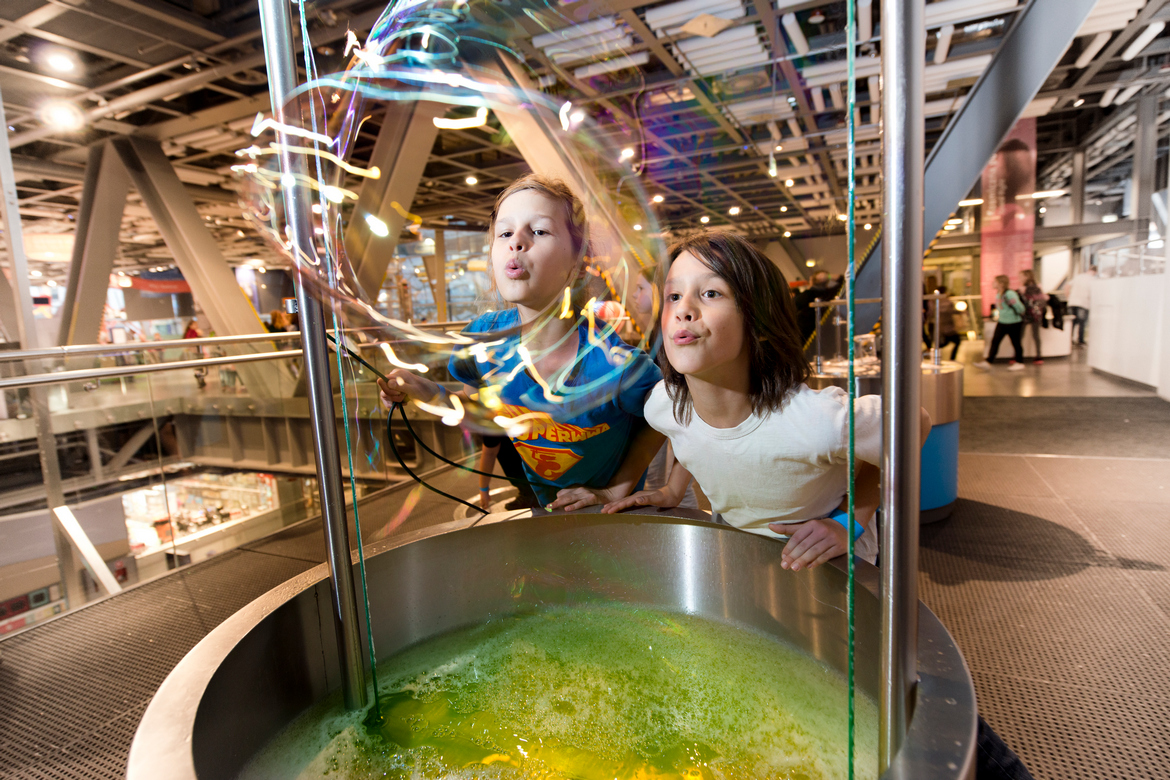
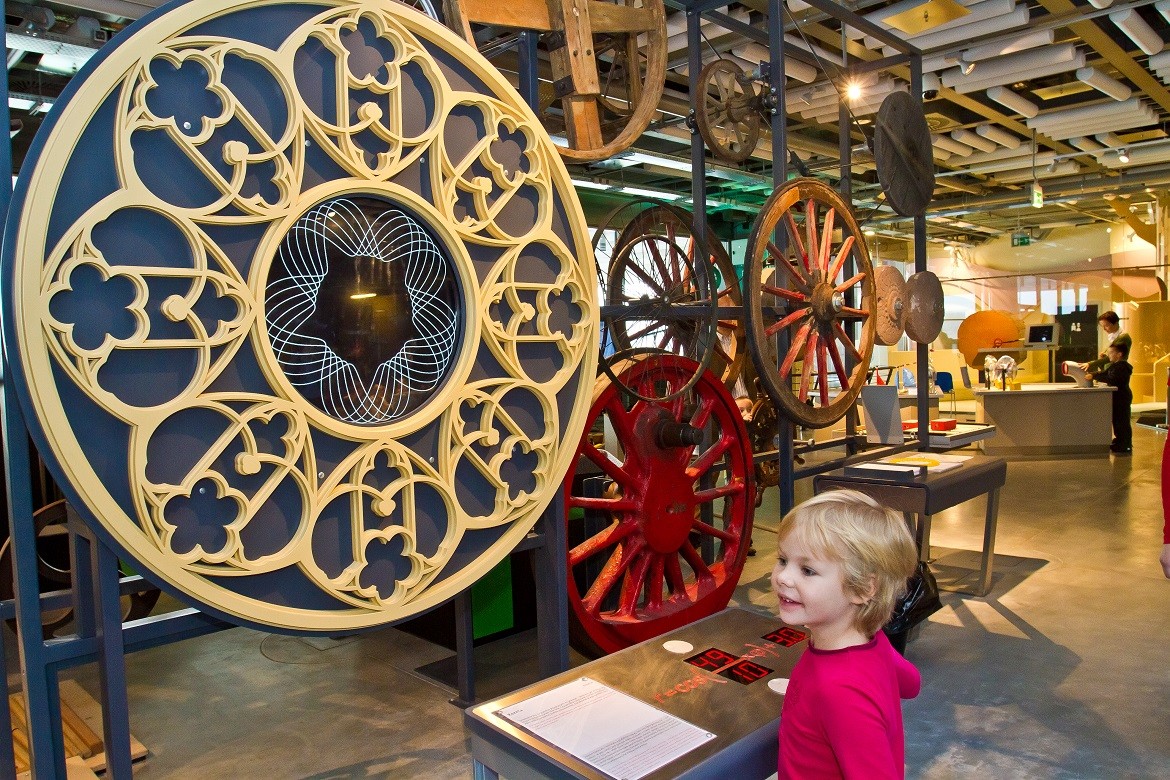
Just above the river stands the Copernicus Science Centre, one of Warsaw’s best-known attractions for families and anyone curious about how the world works.
Its hands-on exhibitions are designed to be explored rather than simply looked at. You can experiment with physics, technology and the human body, while the planetarium takes you much further afield.
Its riverside location makes it easy to include in a day of sightseeing. Visit the Old Town, walk down towards the Vistula and continue along the river afterwards.
Look up at the University of Warsaw Library
Powiśle has another surprise waiting above street level.
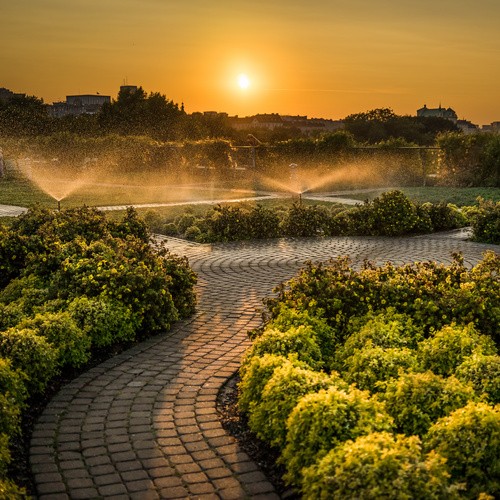
The University of Warsaw Library is known for its distinctive architecture and its large rooftop garden. Paths, bridges and carefully planned planting create an unusual green landscape above the city.
From the garden, you can see the Vistula, Warsaw’s skyline and the greener right bank beyond it. Admission is free. The garden is open seven days a week, although access to the rooftop is seasonal; from November to March, the upper garden is closed.
It is an easy stop to combine with the Copernicus Science Centre and a walk along the river.
Cross the river – and discover a wilder side of Warsaw
The right bank tells a different story.
While the left bank has been shaped by promenades and urban development, parts of the right bank retain a much more natural character. Woodland, sandy beaches and riverside vegetation stretch close to the centre of Warsaw.
The right bank includes a Natura 2000 area that provides habitats for numerous bird species. Along the quieter stretches, you may see herons, cormorants and kingfishers.
There is also an ecological walking and cycling route along the right bank, with wild beaches and views back towards the city.
This is one of Warsaw’s great contrasts: within minutes of the centre, the city can feel surprisingly untamed.
Spend some time on a Vistula beach
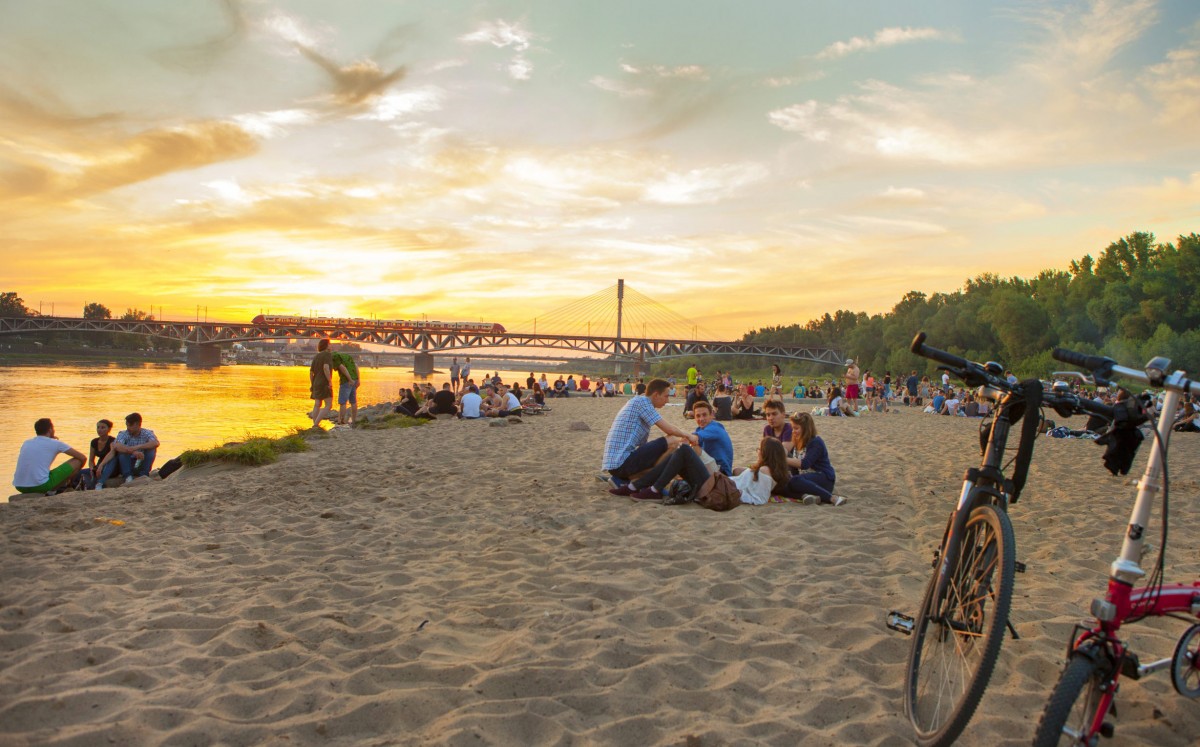
Warsaw’s river beaches are part of the city’s summer life.
Poniatówka, near the Poniatowski Bridge, is one of the best-known. Other beaches include Saska Kępa and Rusałka, while quieter sandy stretches can be found along the river.
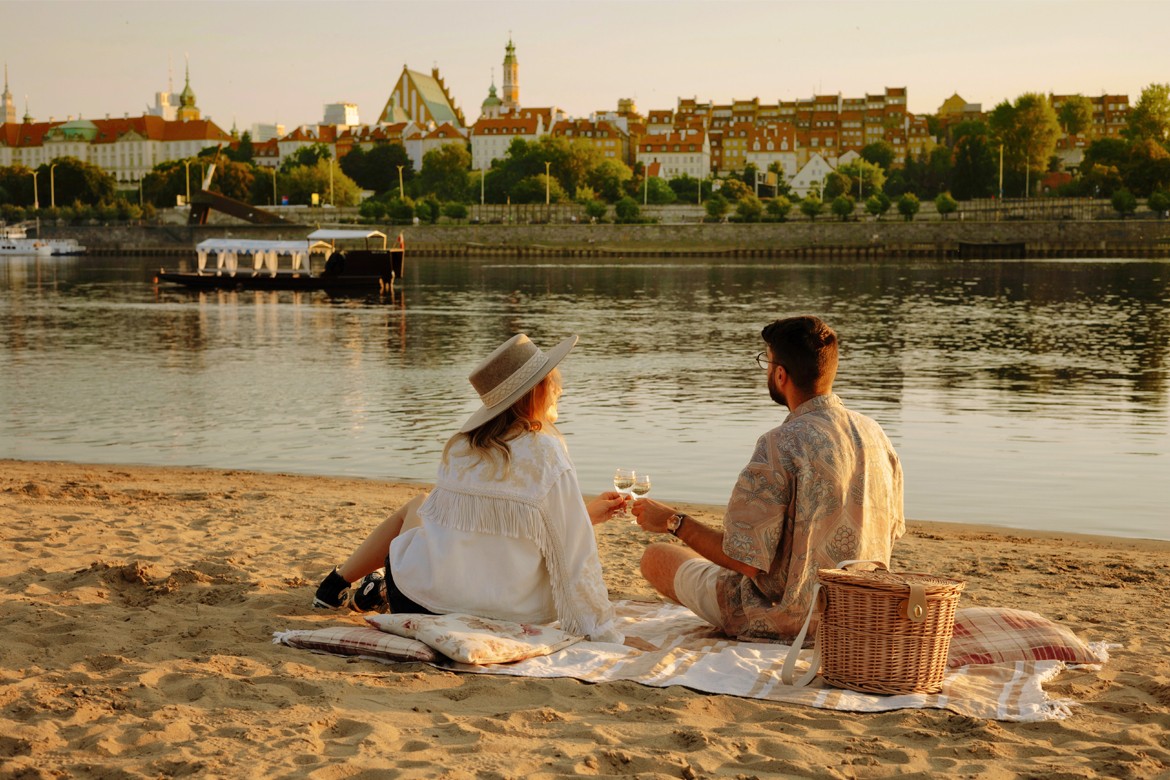
Come for a walk, a picnic, beach volleyball or simply an evening by the water. The beaches are less about ticking off another attraction than about seeing how Warsaw uses its river as a place to relax.
The Vistula is a natural, fast-changing river rather than a conventional urban swimming area. Stick to designated recreational activities and follow local safety advice.
Take a free ferry across the Vistula
In the warmer months, you can cross the Vistula by ferry – and the journey itself is part of the experience.
Warsaw operates three free seasonal tourist ferries carrying passengers and bicycles:
- Słonka connects Cypel Czerniakowski with Saska Kępa.
- Pliszka connects the area by the Poniatowski Bridge with Poniatówka Beach.
- Wilga connects the Podzamcze Fountain Park area with the beach near Warsaw Zoo.
In the 2026 season, the ferries operate on weekends and public holidays from May 1 to June 30 and daily from July 1 to August 31. Check the current timetable before travelling, as services depend on river conditions.
A ferry is particularly useful if you want to explore the boulevards on one side and the beaches and natural areas on the other without retracing your route.
See the city from the water
From the water, Warsaw looks different.
Depending on the season, you can take a sightseeing cruise, go kayaking or choose another activity on the river. From the Vistula, the bridges, skyline and riverside architecture line up in a completely different way.
For a quieter experience, late afternoon is a good time to head onto the water, when the light begins to soften over the city.
Discover Warsaw’s riverside culture
The Vistula is also becoming a place for contemporary culture.
On Powiśle, close to the Copernicus Science Centre and the University of Warsaw Library, the Pawilon Tańca i Innych Sztuk Performatywnych (Pavilion of Dance and Performing Arts) opened in January 2026. Its programme includes dance and performance as well as educational and family activities.
The pavilion occupies a riverside building that previously served as a temporary exhibition space for the Museum of Modern Art while its new headquarters were being built.
If contemporary culture interests you, check the current programme before your visit.
Take a break at Elektrownia Powiśle
A few streets inland, Elektrownia Powiśle offers a glimpse of another side of the neighbourhood.
The former power station has been transformed into a contemporary complex of restaurants, cafés, shops and leisure spaces. After a walk by the river, it is an easy place to stop for lunch, coffee or an evening meal.
The combination is typical of Powiśle: industrial heritage, contemporary architecture, food and the river all within a short walk of one another.
Continue to Praga
The Vistula can also become a route through Warsaw rather than simply another stop on your sightseeing list.
From the Old Town, walk down to the boulevards and continue towards Powiśle. Visit the Copernicus Science Centre or the University Library, then cross the Magdalena Abakanowicz Bridge into Praga.
On the right bank, you can follow the riverside paths towards the beaches and greener stretches of the Vistula. Or continue into Praga, known for its historic buildings, old streets, cafés, galleries and post-industrial spaces.
How to explore the Vistula District
For a first visit: Start in Warsaw’s Old Town, walk down to the Vistula Boulevards and continue towards Powiśle. Add the Copernicus Science Centre or the University of Warsaw Library, then cross the river on the Magdalena Abakanowicz Bridge.
For nature lovers: Spend more time on the right bank. Follow the ecological walking and cycling route and explore the quieter beaches and natural riverbank.
For families: Combine a walk along the Vistula with the Copernicus Science Centre.
For photographers: Try the University of Warsaw Library rooftop garden, the pedestrian bridge or the riverbanks around sunset.
For cyclists: Both banks offer cycling routes. The left-bank route passes major attractions, while the right-bank route takes you through a more natural landscape.
For a summer evening: Stay by the river until sunset. The boulevards, beaches and riverside paths each offer a different view of Warsaw as the light fades.
Warsaw’s Vistula: a different side of the capital
The Vistula is more than a river running through Warsaw.
It is where the city becomes a little less formal. A modern promenade can give way to a sandy beach, while a short walk can take you from the centre of the capital into a landscape shaped more by nature than architecture.
That contrast is the real attraction.
So once you have seen Warsaw’s Old Town, museums and famous landmarks, follow the river.
You may discover that the Vistula is where Warsaw shows its most unexpected side.