
Warsaw in Summer – Discover Poland’s Capital
Warsaw in Summer – Discover Poland’s Capital
Warsaw is a city of contrasts. Its historic Old Town stands alongside bold contemporary architecture, royal residences are surrounded by parks and gardens, and a wild river runs through the heart of the capital. In summer, the city moves outdoors – to its parks, riverside paths, cafés and squares.
It is a city to explore rather than simply tick off a list. Spend a morning following the Royal Route, cool down in the shade of Łazienki Królewskie, cycle along the Vistula or watch the city change as the sun sets over the river.
Start in the Old Town
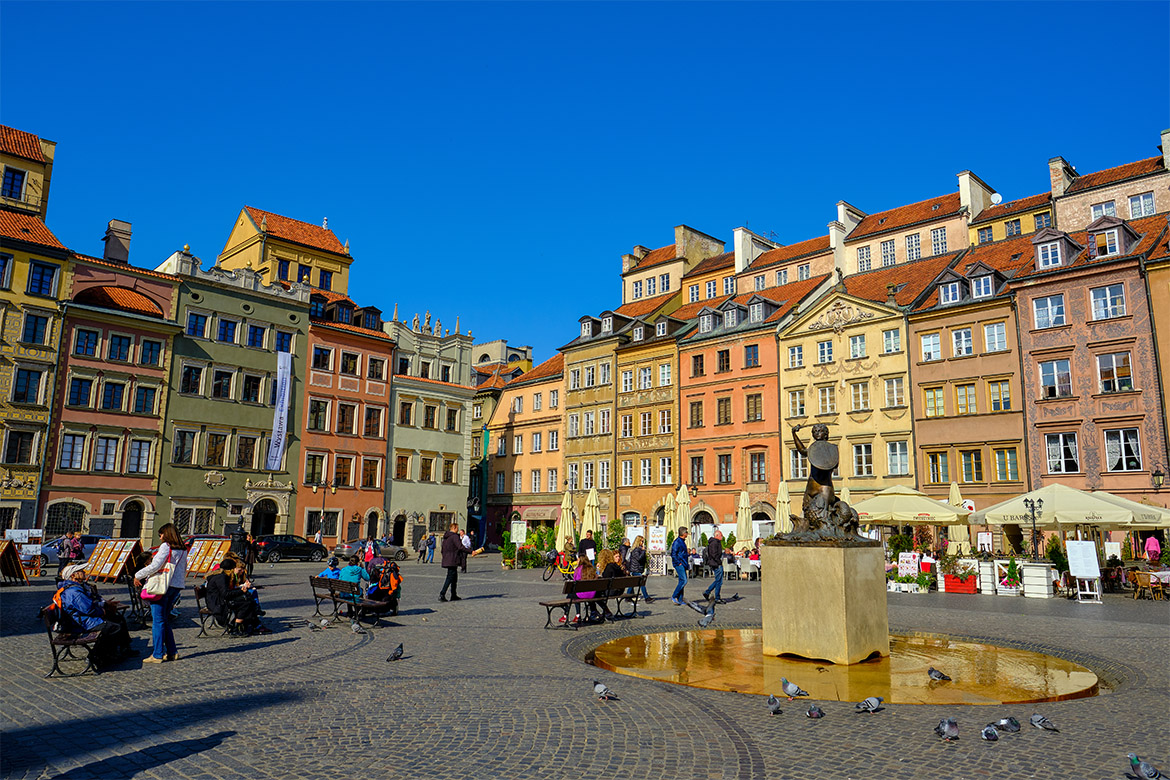
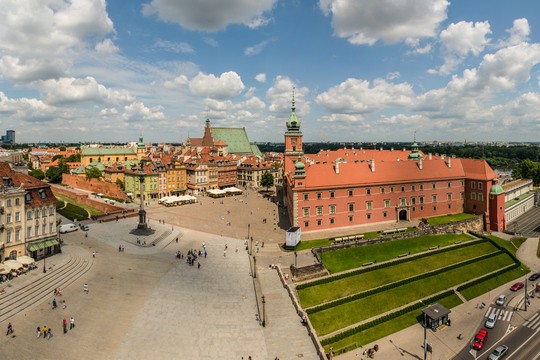
Begin with Warsaw’s Old Town, a UNESCO World Heritage Site and one of the city’s most atmospheric places to wander. The Market Square, colourful townhouses, city walls, Barbican and Royal Castle form the historic heart of the capital.
There is a remarkable story behind the picturesque streets. Much of the Old Town was destroyed during World War II and later reconstructed using historical plans, photographs and other surviving documents. The reconstruction was so carefully carried out that the historic centre was inscribed on the UNESCO World Heritage List.
From the Old Town, follow the Royal Route south. This historic axis leads along Krakowskie Przedmieście and Nowy Świat towards Łazienki Królewskie and, further south, Wilanów. Along the way, you will pass churches, palaces, monuments and elegant historic buildings.
A city where old meets new
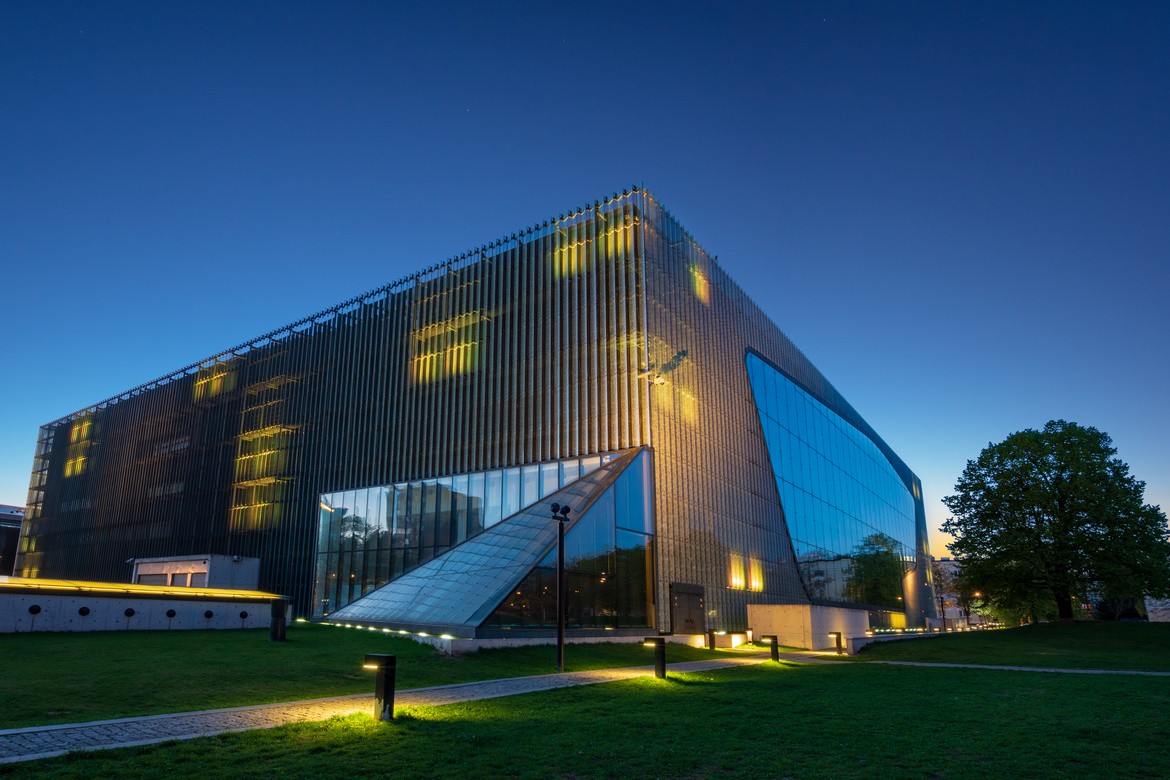
Warsaw’s story is not confined to its historic centre. At Plac Defilad, beside the iconic Palace of Culture and Science, the Museum of Modern Art in Warsaw occupies a striking new building designed by American architect Thomas Phifer. Opened in 2024, it has quickly become one of the most recognisable additions to the city centre.
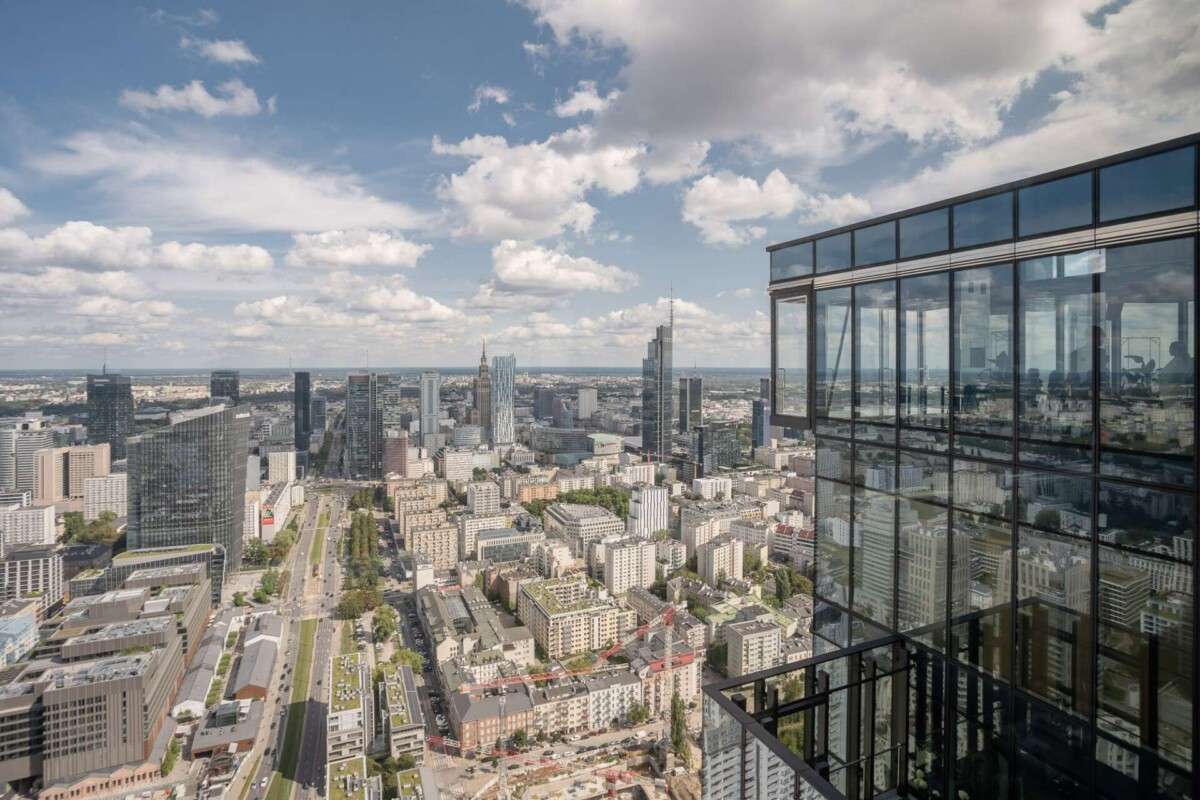
For a completely different view of Warsaw, head to Varso Tower on Chmielna Street. Its Highline Warsaw observation deck is around 230m above the ground, making it the highest observation deck in the European Union.
From here, the city’s contrasts become especially clear. The Palace of Culture and Science, clusters of modern skyscrapers, bridges over the Vistula and large areas of greenery all share the same panorama.
Slow down by the Vistula
In summer, the Vistula River becomes one of the best places to experience Warsaw outdoors.
On the western bank, the Vistula Boulevards are popular for walking, cycling and spending time by the water. In summer, cafés, bars and seasonal venues make the river a natural meeting place, particularly in the evenings.
For a different perspective, cross the river on the Magdalena Abakanowicz Footbridge. The 452m-long pedestrian and cycling bridge connects central Warsaw with the Praga district. The crossing takes around six minutes on foot, but there is no reason to hurry – stop along the way and take in the river and the city skyline.
On the eastern bank, the landscape changes dramatically. Natural vegetation, sandy beaches and riverside paths have survived here, creating a surprisingly wild stretch of river within the capital. A walk or cycle ride along this side of the Vistula is one of the easiest ways to see a different Warsaw.
Find Warsaw’s green side
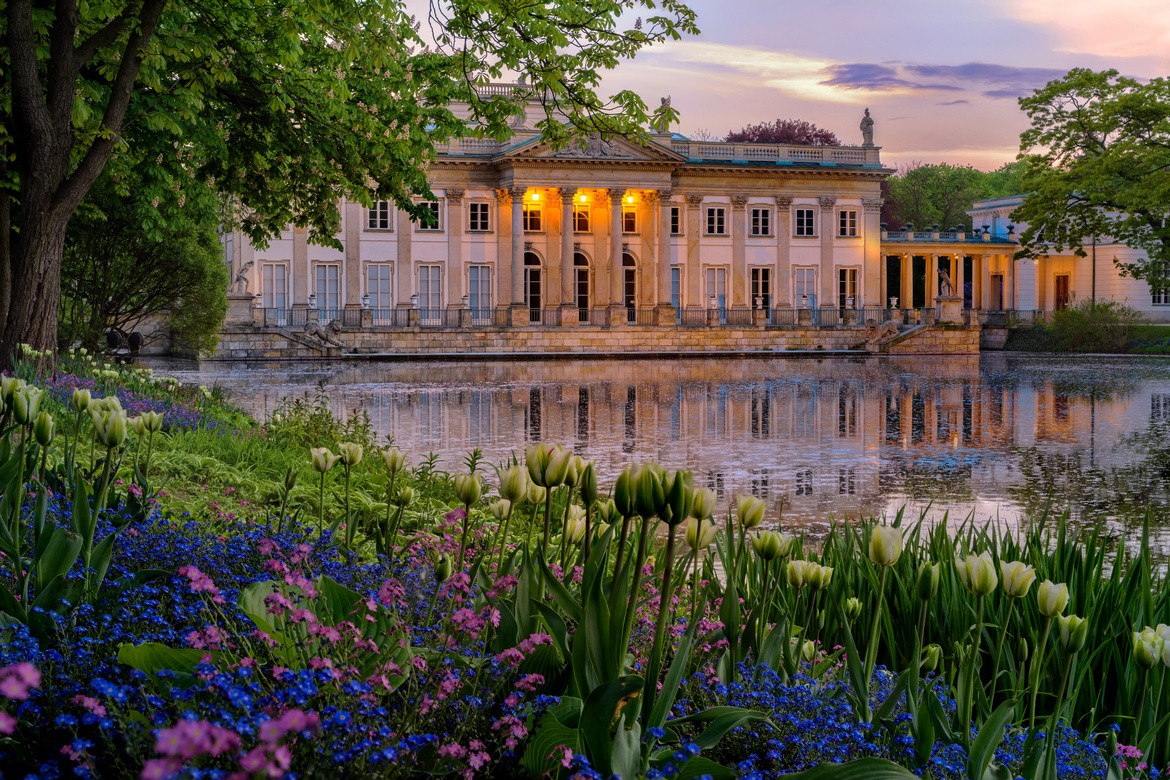
For a slower afternoon, head to Łazienki Królewskie, one of Warsaw’s most beautiful green spaces. This extensive historic park combines gardens, ponds, sculptures and elegant buildings.
At its centre stands the Palace on the Isle, the former summer residence of King Stanisław August. Rather than rushing through the park, give yourself time to wander its paths, sit by the water or simply enjoy the shade on a warm day.
Łazienki is also closely associated with Fryderyk Chopin. From spring to early autumn, free open-air piano concerts are held beside his monument on Sundays. The tradition dates back to 1959 and has become one of Warsaw’s best-known summer experiences.
Follow Chopin through the city
Chopin spent the first half of his 39-year life in Warsaw. He studied, composed and performed here before leaving Poland in 1830.
You can still encounter his presence in different parts of the city. Musical Chopin benches stand at locations connected with his life; press a button and listen to excerpts from his compositions while continuing your walk.
The Fryderyk Chopin Museum is another important stop for music lovers. The museum is closed for renovation during 2026, so check current information before planning a visit.
Continue to Wilanów
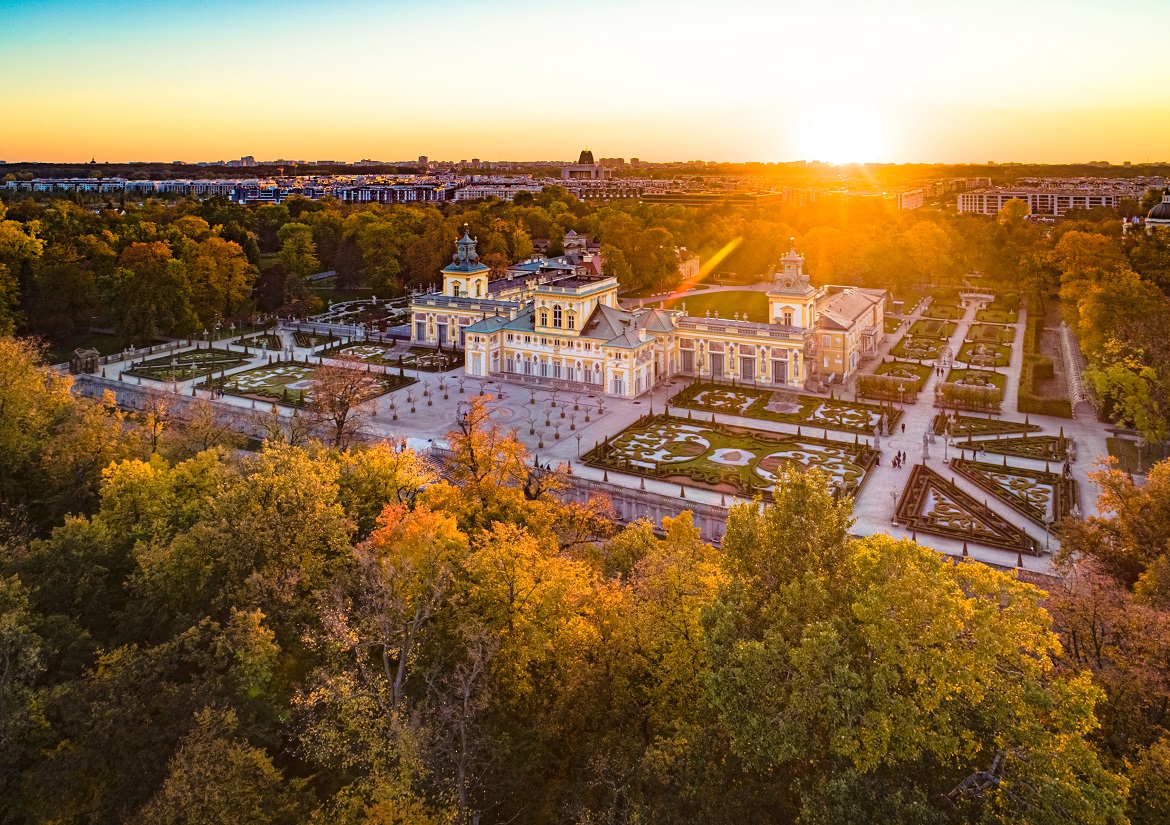
At the southern end of the Royal Route lies Wilanów Palace, one of Warsaw’s most important historic residences. Built for King Jan III Sobieski, the palace combines Baroque architecture with formal gardens and surrounding parkland.
Summer is a good time to explore both the interiors and the gardens. And if Polish graphic design interests you, add the Poster Museum in Wilanów to your visit. Its collection contains more than 63,000 posters, including one of the world’s largest collections of Polish posters.
The museum offers an introduction to the celebrated Polish School of Posters, known for its distinctive visual language and often unexpected, witty interpretations of film, theatre and culture.
Discover Warsaw’s recent history
Warsaw’s museums offer very different ways of understanding the city.
At the POLIN Museum of the History of Polish Jews, exhibitions tell the story of Jewish life in Poland over a thousand years. The Warsaw Uprising Museum focuses on the 1944 uprising and its role in the history of the city. At the Copernicus Science Centre, interactive exhibitions take a different approach, inviting visitors to experiment, explore and learn through experience.
These museums are worth considering when you want to look beyond Warsaw’s postcard views and understand the city and its history in greater depth.
Warsaw after dark
When the museums close, Warsaw is far from finished. Summer evenings are made for lingering outdoors – whether that means sitting by the Vistula, finding a table in a neighbourhood restaurant or exploring the city after sunset.
Across the river, Praga has a character of its own. Its pre-war tenement houses, courtyards and independent cafés, restaurants and cultural venues offer a different atmosphere from the polished streets of the historic centre.
The city’s food scene is equally varied. You can try traditional Polish dishes or explore contemporary restaurants and food halls in places such as Hala Koszyki, Browary Warszawskie, Fabryka Norblina and Elektrownia Powiśle. Former industrial and commercial spaces have been transformed into lively places for eating, drinking and meeting friends.
For many visitors, this is when Warsaw becomes particularly enjoyable: when the day’s sightseeing gives way to an unhurried evening.
Experience Warsaw your way
Warsaw does not need to be explored according to a single itinerary. Follow its royal history, discover contemporary art, listen to Chopin, cycle beside the Vistula or spend an afternoon in one of its parks. You can combine several of these experiences in one day – or simply choose one and take your time.
That is perhaps the best way to experience the Polish capital in summer: walk a little further, cross the river, take a different route and leave some time for the unexpected.