Warsaw – city break
Warsaw – city break
Warsaw is a unique place with a fascinating history, dynamic growth, vibrant culture, and creative energy. This city has an exceptional history, overshadowed by its complicated past, uprisings for freedom, and wars it has fought. Warsaw impresses with its charm today as a modern, attractive metropolis constantly developing. It is a place that offers a mass of cultural, musical, and entertainment events. There is something for everyone, and there are a lot of places to visit. Warsaw is the capital of Poland, and getting here does not cause any problems.
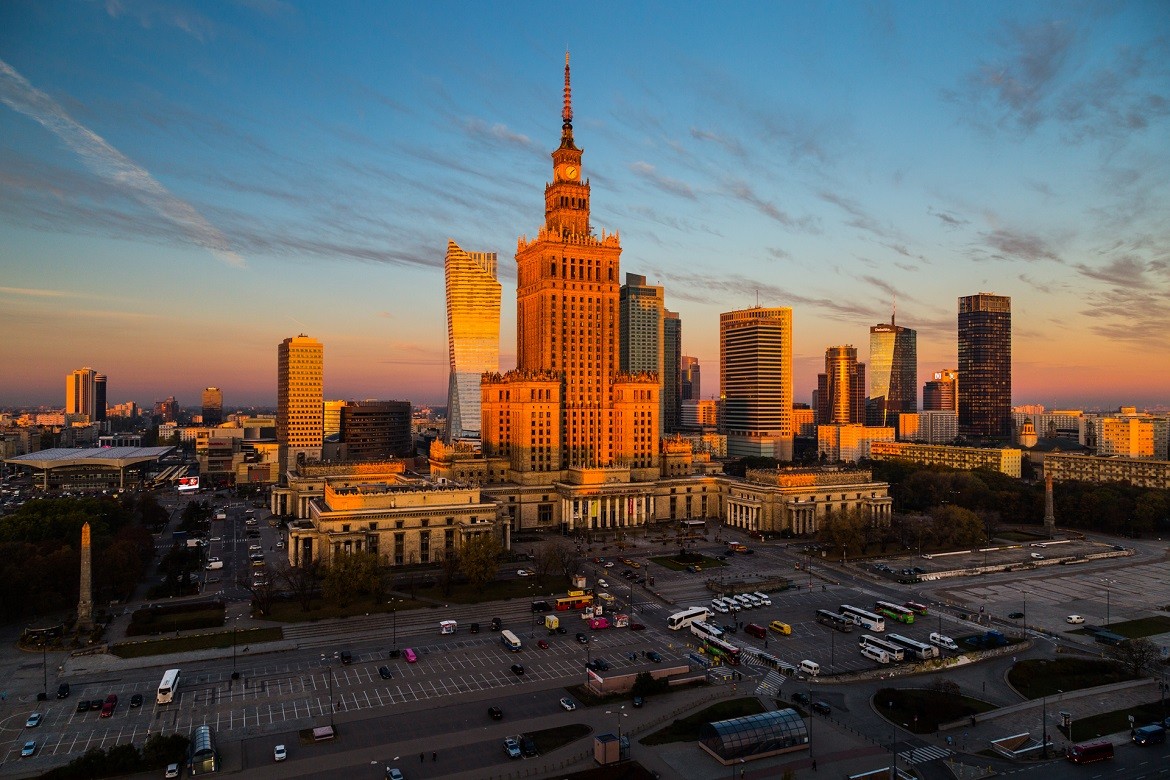
The first thing in front of every visitor’s eyes, especially those who will come by train, treated as a landmark and a vantage point, is the Palace of Culture and Science, built between 1952 and 1955. The palace is the best vantage point for a panoramic city view. You need to get to the 30th floor, where there is an observation deck. The Palace houses theatres, cinemas, museums, and a Tourist Information Point. Amazing? Yes, well, so let us plan a trip.
Day One: Past and present
Next to the Palace of Culture, there is a museum of modern art. It is a very stylish building with a contemporary interior. You can see exhibitions, and performances, installations and even films. If you are not interested in contemporary art, let’s go straight to Chmielna street, which will lead us to Nowy Świat street – a part of the Royal Route, which runs from Plac Trzech Krzyży to Krakowskie Przedmieście. It is one of the most expensive and most elegant streets in Warsaw. Along the street, you will find various shops offering exclusive products, restaurants with special menus, and many interesting and historic buildings – townhouses, old schools, and architectural gems.
Along Nowy Świat street, we will get to the old town, and that is where we are heading. Along the way, you are sure to catch the eye of the Holy Cross Basilica. The monumental Baroque temple impresses walkers, and the statue of Christ carrying the cross standing in front of the entrance is one of the best-recognized sights in Warsaw. On the other side, we will see the Nicolaus Copernicus Monument.
A bit further, you’ll find the entrance to the University of Warsaw square. Here, the humanities faculties are located, but the architecture of the university buildings and the lush greenery surrounding them are particularly noteworthy. It’s an exceptionally charming place, offering a respite from the fast pace of the city.
On the same side of the street stands the Presidential Palace. Between 1918 and 1939, it served as the official residence of the Council of Ministers and the Prime Minister. Since 1994, it has been the official residence of the President of the Republic of Poland. It is the largest palace in Warsaw.
Warsaw Old Town
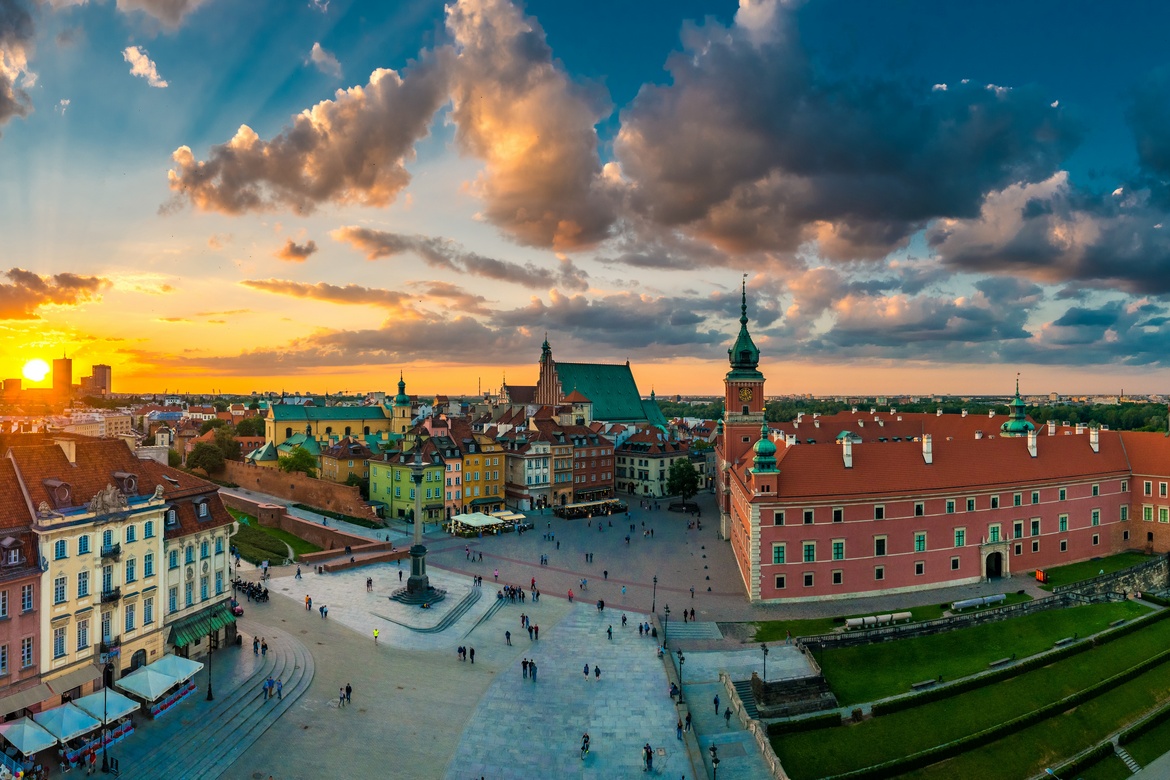
We are now in Old Town, the youngest historic center in the world. Almost destroyed during the war, it was meticulously rebuilt afterward. Stare Miasto is inscribed on the UNESCO World Heritage List. We have here the observation deck, located on the roof of the bell tower by St. Anne’s Church on Krakowskie Przedmieście, right next to Castle Square. The bell tower was built in the 16th century, burned down in 1945, and was rebuilt after the war. From its inception, it has served as a viewing point. You will also see the famous Sigismund’s Column, built between 1643 and 1644. It is the oldest secular statue in Warsaw and the first column dedicated to a secular figure in modern Europe. The Royal Castle is another important landmark in the Old Town, with a rich history. It was here that the Constitution of May 3, 1791, was adopted. The Royal Castle is open for tours.
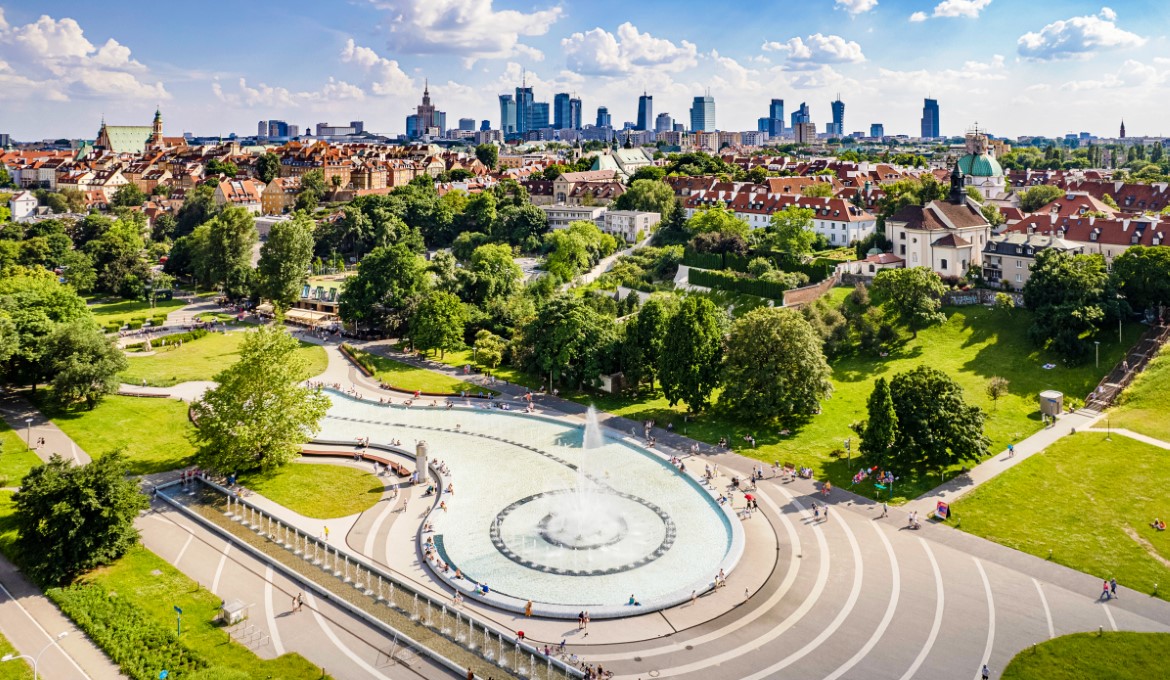
We’ll end the tour at the Old Town Market Square by the Mermaid statue. The Mermaid is the symbol of Warsaw. Another Mermaid can be found along the Vistula River. Continuing on, we pass the Warsaw Barbican. We can head toward the New Town to explore the market square and various historical attractions, such as the historic well, the sundial, or the museum of Marie Curie-Skłodowska. We can also stay and see the Fountains at the foot of the Old Town. What is essential is that in summer, the Multimedia Fountain Park hosts spectacular shows of light, sound, and water on Friday and Saturday evenings. In winter, the promenade and the Old Town are illuminated with thousands of festive lights.
Regardless of the season, remember to try pierogi! You can find them practically everywhere along the route.
How much time do I need? 3 hours will be enough.
Day two: Nature, relaxation, and history.
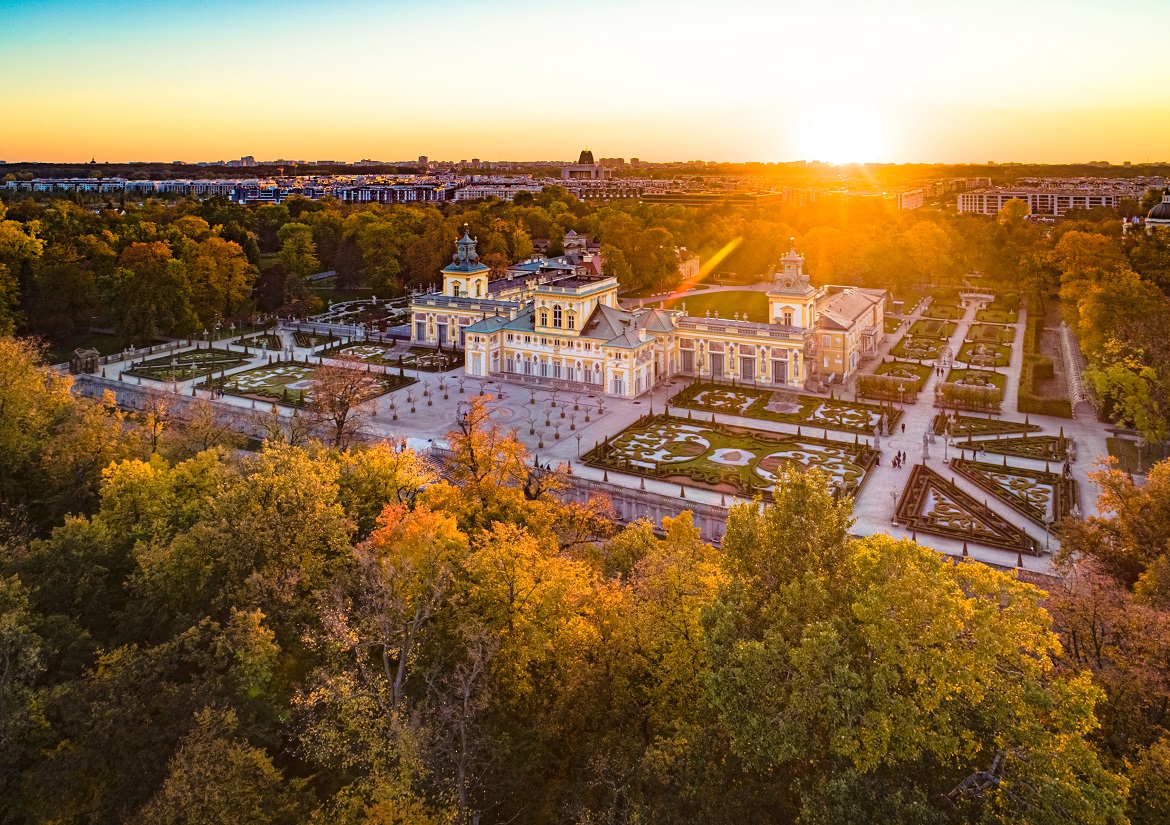
Let us start the trip from the Museum of King Jan III’s Palace at Wilanów. A beautiful Baroque residence surrounded by a historic park is on Warsaw’s southern edge. Walk around the courtyard, admiring the palace’s façade, and then go inside to see the chambers of the king and his beloved wife, Queen Marysieńka. In winter, you can see the light installations in the garden.
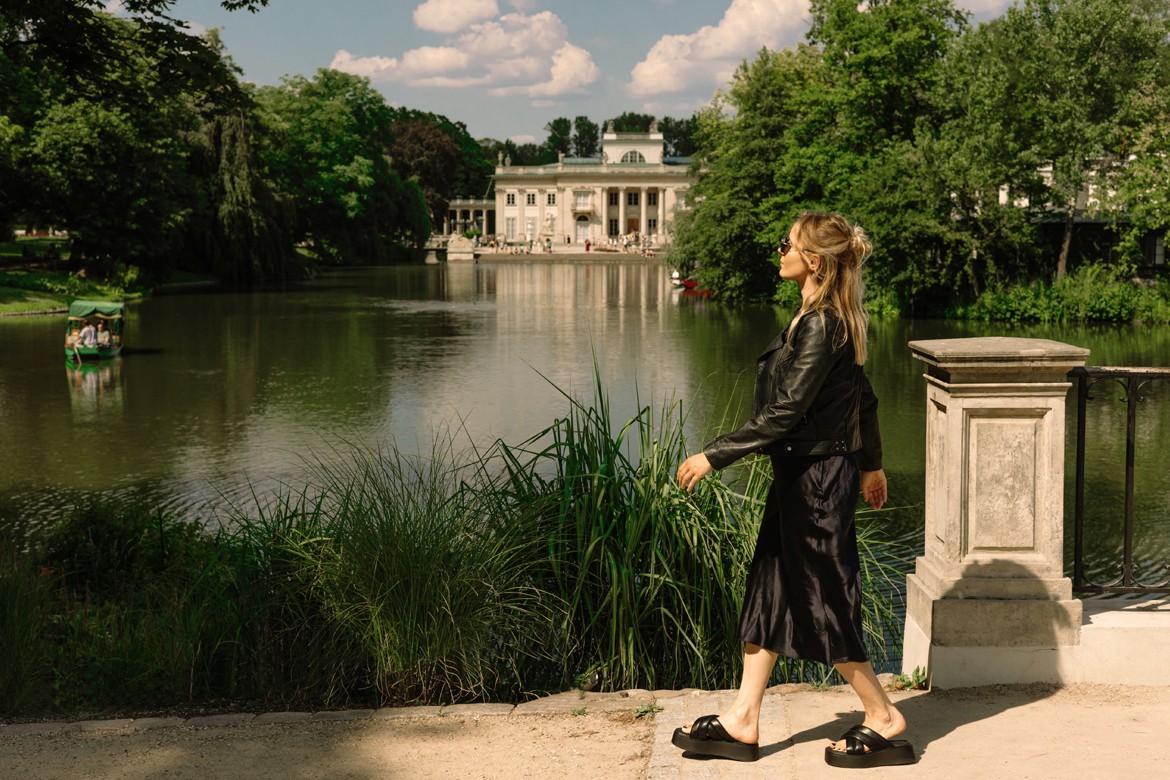
From this museum, by bus, we can go to the Royal Łazienki Park. It is a beautiful park surrounding the Palace on the Island, which was created as the summer residence of the last king of Poland, Stanisław August Poniatowski. This is where Warsaw residents are most likely to spend their time. Picnics or walks amidst beautiful nature and architecture allow you to relax and recharge your energy. The park contains orangeries, an amphitheater, a court theatre, and numerous free-standing sculptures. Squirrels run among the trees, and peacocks stroll through the alleys. From May to September, you can listen to outstanding pianists give concerts at the Chopin monument as part of the famous Chopin’s recitals.
Next to the Royal Łazienki Park is the University of Warsaw Botanical Garden, established in 1818. It is one of the oldest and smallest botanical gardens in Poland. This is where you will see unique plants; there are also beautiful old trees over 200 years old. In winter, the garden transforms into a Magical Botanical wonderland, with stunning illuminations delighting visitors.
History within museum walls
Warsaw is a city where you can uncover history. Decide which museum to explore, as many places here are brimming with history.
The National Museum houses works of Polish and world art, including Jan Matejko’s famous painting Battle of Grunwald. Its collection comprises around 830,000 pieces of Polish and international art from antiquity to modern times. The museum is one of the oldest art museums in Poland, established in 1862 as the Museum of Fine Arts. In addition to tours, the museum offers various workshops and history lessons, with programs adaptable to different age groups. Now you can decide what to do now. From the National Museum you can plan your next destination.
The Warsaw Uprising Museum commemorates events that profoundly impacted Warsaw during the Second World War. It was opened on the 60th anniversary of the Uprising in the building of a former tram power station. Visitors can explore a detailed timeline, view large-format photographs, listen to the stories of the insurgents, and even enter a replica of the sewers used by the fighters to move around the city.
POLIN Museum of the History of Polish Jews is where visitors can immerse in the shared history of two nations – Polish and Jewish. The exhibition tells about Jewish culture and heritage. This is the story of the Jews who arrived in Poland, their lives, and the community they formed today. The exhibition features historic artifacts, memorabilia, models, and works of art. Imagine that the place where you now stand was once a Jewish district before the war and later became a ghetto during the occupation.
Space and science
There is one more place worth mentioning. At the interactive Copernicus Science Centre, you can experiment and uncover the mysteries of nature. This is not a museum. There are no showcases or guides here. It’s a space designed to inspire. It’s up to the visitor how they choose to explore this space. The Copernicus Science Centre also features a planetarium, where special shows, film screenings, and lectures occur. All of this happens in a uniquely designed, interplanetary setting.
How much time do I need? 4-6 hours, depending on how many places you will visit.
Day three: Relax and recreation
Today, we will spend time by the Vistula River. Along the left bank stretch boulevards, many restaurants on moored barges and viewpoints exist. At the end of the boulevard, past the Copernicus Science Centre, you will find a part of the boulevards that, in summer, is a popular hangout spot for young people. This is one of the favorite places for Warsaw residents to relax. From the boulevards, you can see the National Stadium – the showcase of Warsaw. On the right bank, you can relax on real sandy beaches surrounded by natural greenery. Dziki brzeg, natura 200o, nieuregulowany, miejsce na grill. During the season, boats ferry people across the river, while ships, boats, and motorboats often sail along the Vistula.
If you are already on the Vistula, visit the Praga district via the Vistula pedestrian and bicycle bridge in Warsaw. This leads us to the historic Ząbkowska Street. Here, you will find intriguing architecture that blends industrial heritage with modernity and trendy cafes and art galleries. The Praga district has a Koneser Praga Centre with many restaurants, museums, unique shops, festivals, and workshops. Everything is surrounded by historic, restored red brick buildings where it used to be the 19th-century vodka factory. In Praga, the shrines in the courtyards of tenement houses are an additional attraction. There is even a special guided tour where a guide shares the history of these shrines.
Active Warsaw
In Warsaw, you can spend time actively. Bike ride along the Vistula boulevards, or choose longer distances and see Kabaty forest, Konstancin, Powsin or Las Bielański and Kampinos. You can try open-air gyms in many different places in Warsaw, or you can go canoeing and take a trip down the Vistula River (beautiful view and unforgettable adventure). In winter, you can find several ice rinks in Warsaw. There are a lot of possibilities.
How much time do I need? Even the whole day. Relax means no rush.