Modern Warsaw – Skyline, Views and a City Reinventing Itself
Modern Warsaw – Skyline, Views and a City Reinventing Itself
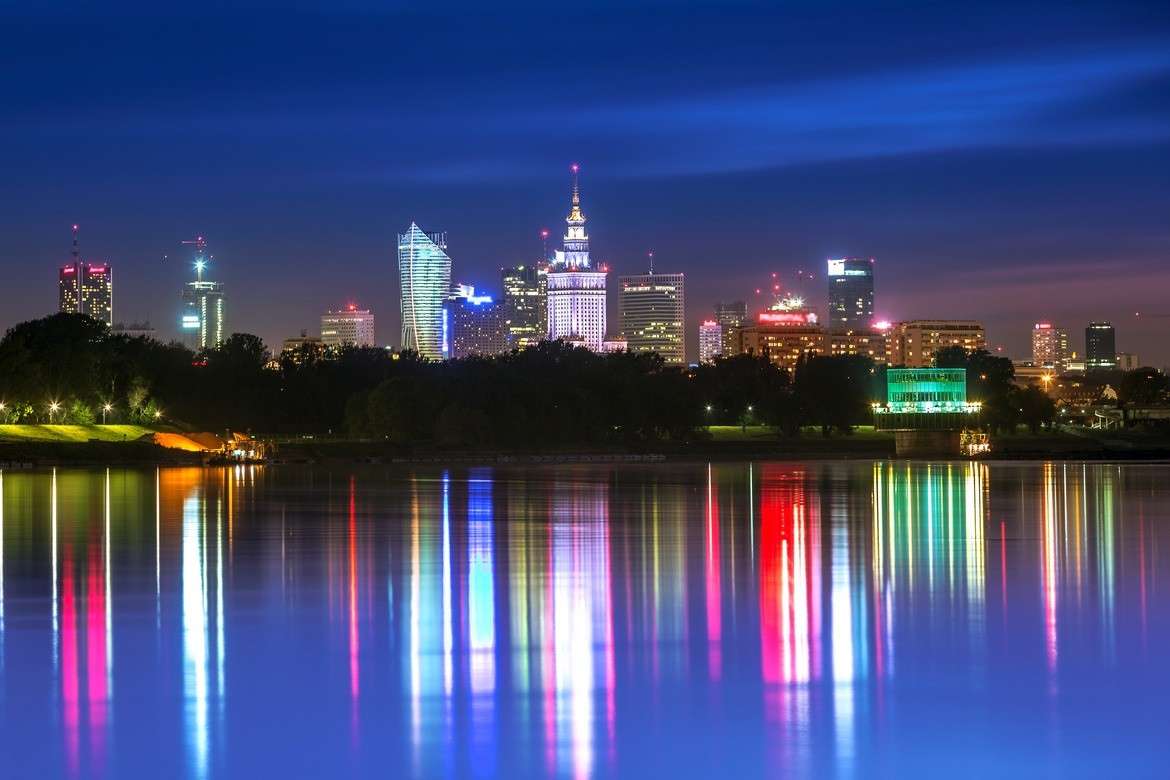
Sometimes all it takes is a view from above to see a city differently. Warsaw is a good example of how quickly an urban landscape can change. From observation decks and glass platforms, you can see not only the Warsaw skyline, but also traces of its past and glimpses of the city it is becoming.
Varso Tower – Warszawa z poziomu chmur
Warsaw has always reached for the sky, but Varso Tower has taken its skyline to a new level. Standing next to Warsaw Central Railway Station, the tower rises to 310 metres including its spire and 230 metres to the roof. It is now one of the defining features of modern Warsaw.
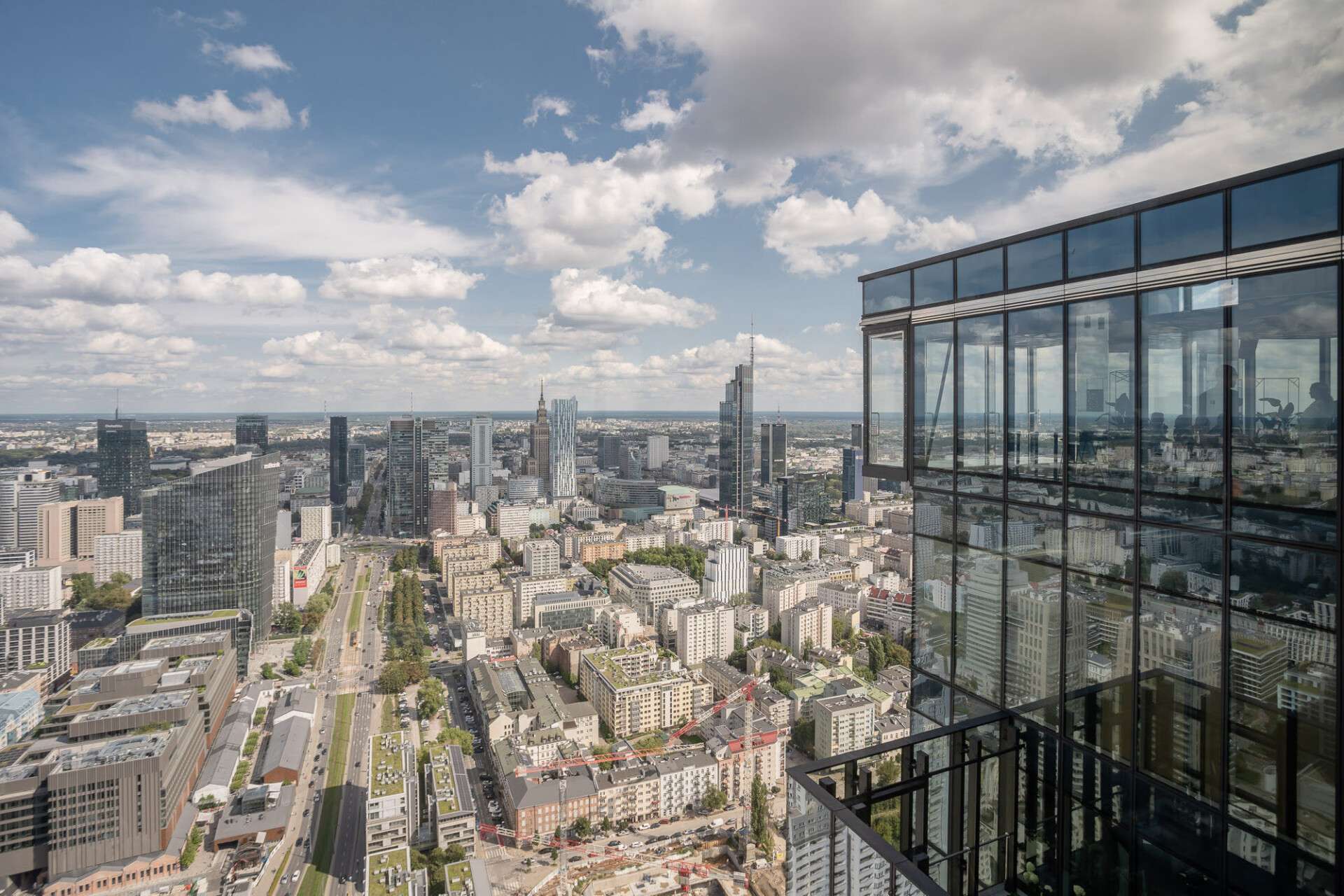
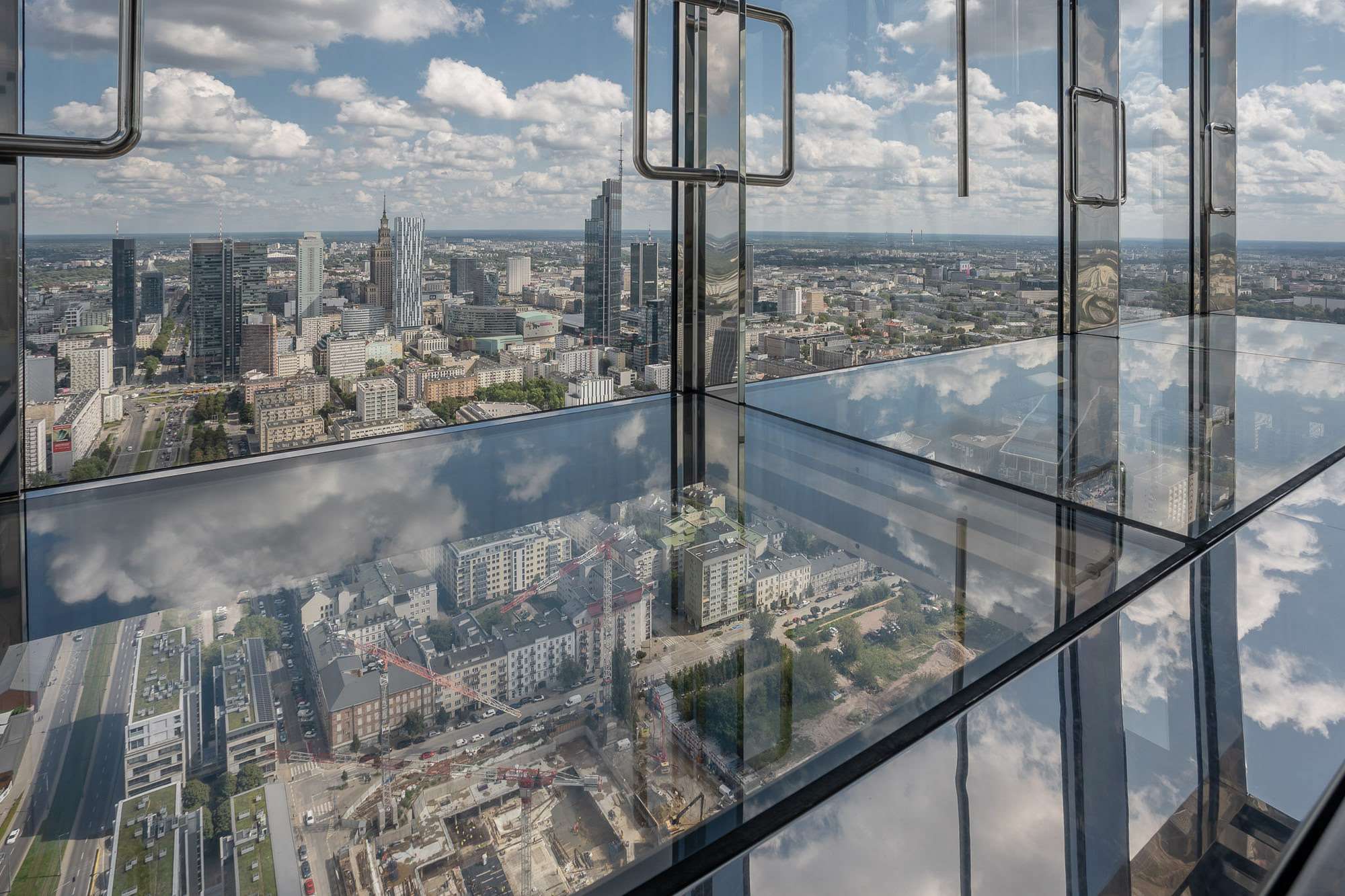
n the 53rd floor, Highline Warsaw offers a public observation deck 230 metres above the ground. It is currently the highest publicly accessible observation point in the European Union. Panoramic lifts take visitors from the dedicated entrance in the tower’s lobby to the top in less than a minute.
The view opens across central Warsaw, the Vistula River and the capital’s mix of historic landmarks and modern skyscrapers. The Palace of Culture and Science is particularly striking from here, surrounded by the newer towers that have transformed the city centre.
The experience is especially atmospheric around sunset, when the changing light brings out the contrast between Warsaw’s glass towers, green spaces and historic landmarks. After dark, the city becomes a network of illuminated streets and buildings.
Palace of Culture and Science – the classic view
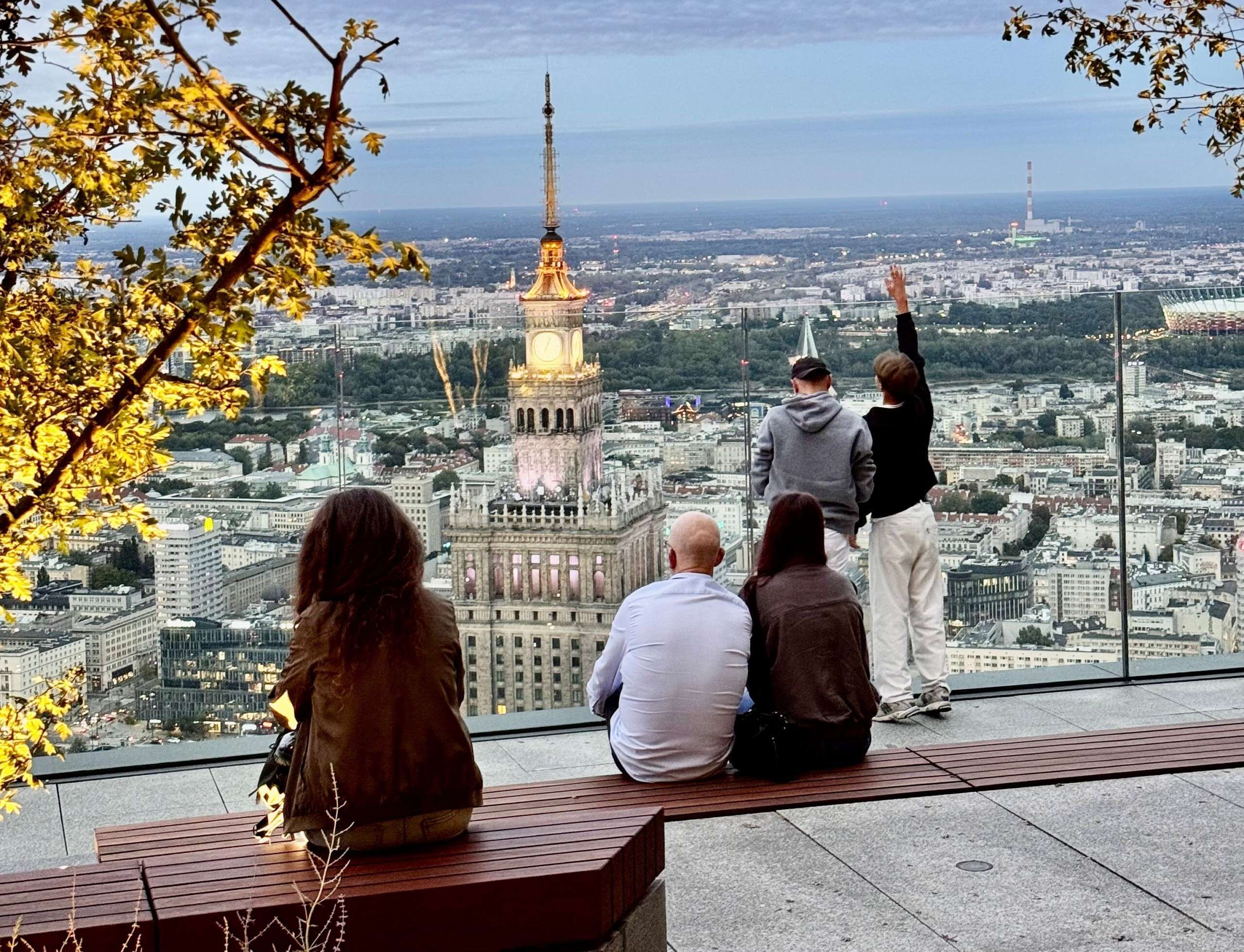
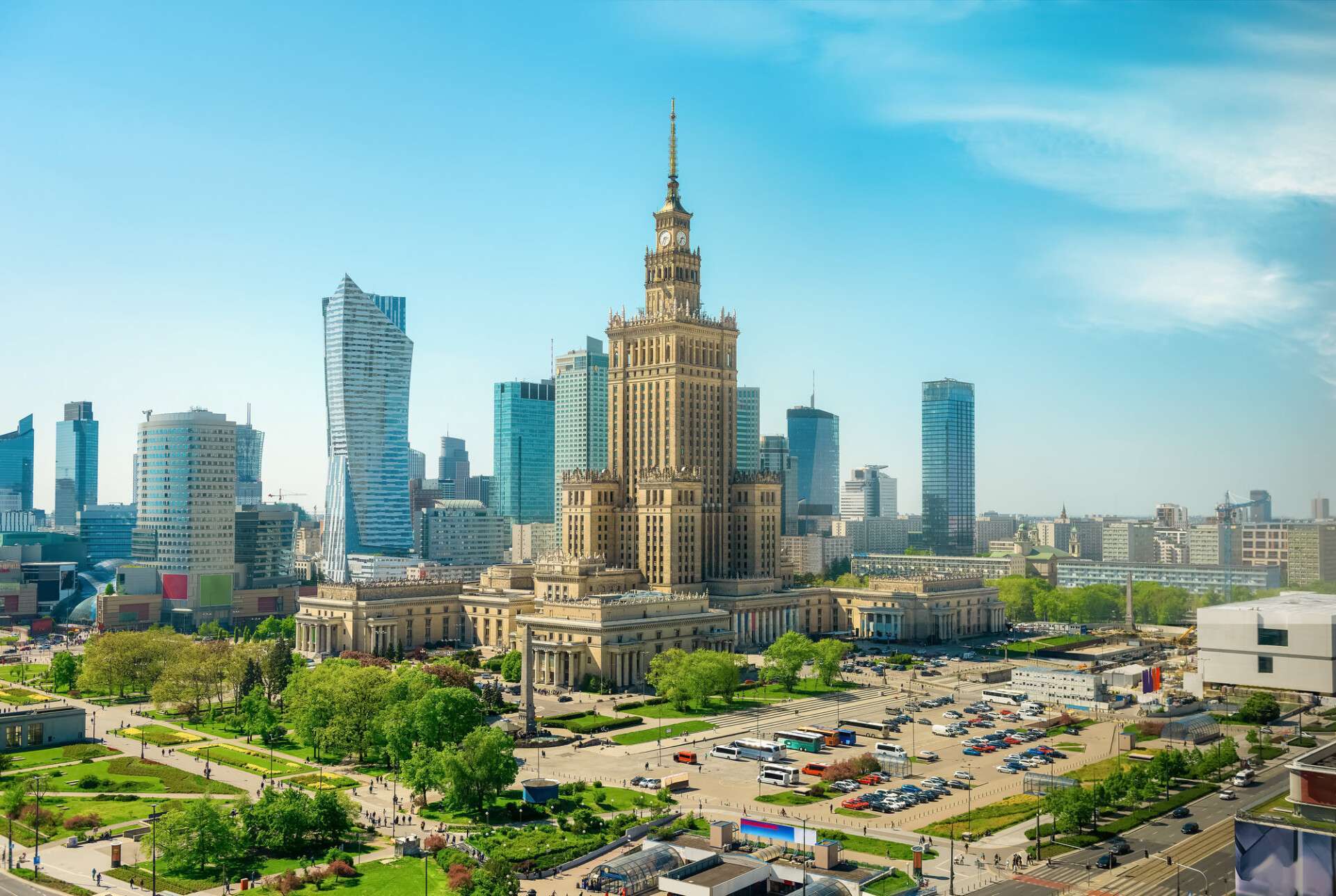
From Varso Tower, look towards the building that dominated Warsaw’s skyline for decades. The Palace of Culture and Science remains one of the capital’s most recognisable landmarks, even though it is now surrounded by a new generation of skyscrapers.
The observation deck on the 30th floor, 114 metres above ground level, offers a 360-degree view of the city. The lift takes around 19 seconds to reach the top.
From here, you can see central Warsaw, the Vistula and the modern skyline, with Varso Tower standing out among the newer buildings. The view tells a story in itself: the Palace, once a solitary giant, is now part of a much denser and more varied cityscape.
A small café is located on the 30th floor. Check the official website for current opening hours and ticket information before your visit.
Skyfall Warsaw – a view for the brave
Po klasycznym tarasie w Pałacu Kultury i Nauki i nowoczesnym Highline w Varso, trzeci warszawski punkt wysokościowy to propozycja dla tych, którzy chcą czegoś mocniejszego. Skyfall Warsaw, mieszczący się na 46. piętrze wieżowca Warsaw UNIT, to pierwsza w Europie uchylna szklana platforma widokowa – i zdecydowanie najbardziej ekstremalna atrakcja w stolicy.
Od razu warto wiedzieć, że nie jest to punkt ogólnodostępny. Skyfall działa obecnie wyłącznie podczas rezerwacji prywatnych i wydarzeń specjalnych – można z niego skorzystać przy okazji eventów firmowych, sesji zdjęciowych czy nagrań. To oznacza, że nie kupisz tu biletu jak na Varso Tower czy do Pałacu Kultury, ale jeśli trafisz na okazję, warto ją wykorzystać.
Platforma znajduje się około 200 metrów nad ziemią. Po wejściu na przezroczystą podłogę i krótkim instruktażu, system hydrauliczny powoli odchyla konstrukcję o 15 stopni poza linię fasady. Cztery osoby stoją na szkle, pod stopami mają miasto, które z tej wysokości wygląda jak makieta. Uczucie jest intensywne, krótko trwa, ale zapada w pamięć.
Na miejscu znajduje się bar i strefa lounge – nowoczesna, minimalistyczna przestrzeń z widokiem na centrum Warszawy. Wjazd na 46. piętro odbywa się szybką windą z dedykowanego lobby, a sama sceneria robi ogromne wrażenie: szkło, światło i panorama miasta aż po horyzont.
Modern Warsaw – a city reinventing itself
Modern Warsaw is about more than skyscrapers. At street level, the centre of the city is changing too, with new architecture, public spaces and cultural venues reshaping how people experience the capital.
One of the clearest examples is the Museum of Modern Art in Warsaw. Its new building opened in 2024 on Marszałkowska Street, opposite the Palace of Culture and Science. Designed by American architect Thomas Phifer, it has a minimalist white form, large glazed areas and a spacious public ground floor.
The museum is part of the ongoing transformation of the area around Parade Square (Plac Defilad). For decades, this central space was dominated by the Palace of Culture and large open areas. Today, it is gradually becoming a more welcoming part of Warsaw, with space for culture, pedestrians, greenery and public life.
You do not need to be an expert in contemporary art to appreciate the building. Gallery A on the ground floor offers free admission, making it an easy stop even if you have only a little time. The museum also includes exhibition spaces, a cinema, a café and venues for events and public programmes. This is where the idea of Modern Warsaw comes into focus. The city is not simply building higher. It is rethinking its centre and finding new ways to combine architecture, culture, public space and everyday life.
Warsaw from above – and from a new perspective
There are many ways to see Warsaw from above. Varso Tower reveals the scale of the modern skyline. The Palace of Culture and Science puts the city’s history at the heart of the panorama. Skyfall Warsaw offers a more daring experience, high above the streets.
But to understand Modern Warsaw, it is worth coming back down to street level. New architecture stands alongside historic landmarks, while former and central urban spaces are finding new uses.
Warsaw is not simply growing upwards. It is constantly reinventing itself – while keeping its past firmly in view.