
In the Footsteps of Chopin: Discover Warsaw and Żelazowa Wola
In the Footsteps of Chopin: Discover Warsaw and Żelazowa Wola
Where can you find Chopin’s traces in Warsaw? Where did he live, study and perform? And where can you hear his music today?
Fryderyk Chopin spent his childhood and youth in Warsaw. He arrived in the city as an infant, grew up here, studied music, composed his early works and gave his first public performances. In 1830, aged 20, he left Warsaw and Poland for good and eventually settled in Paris.
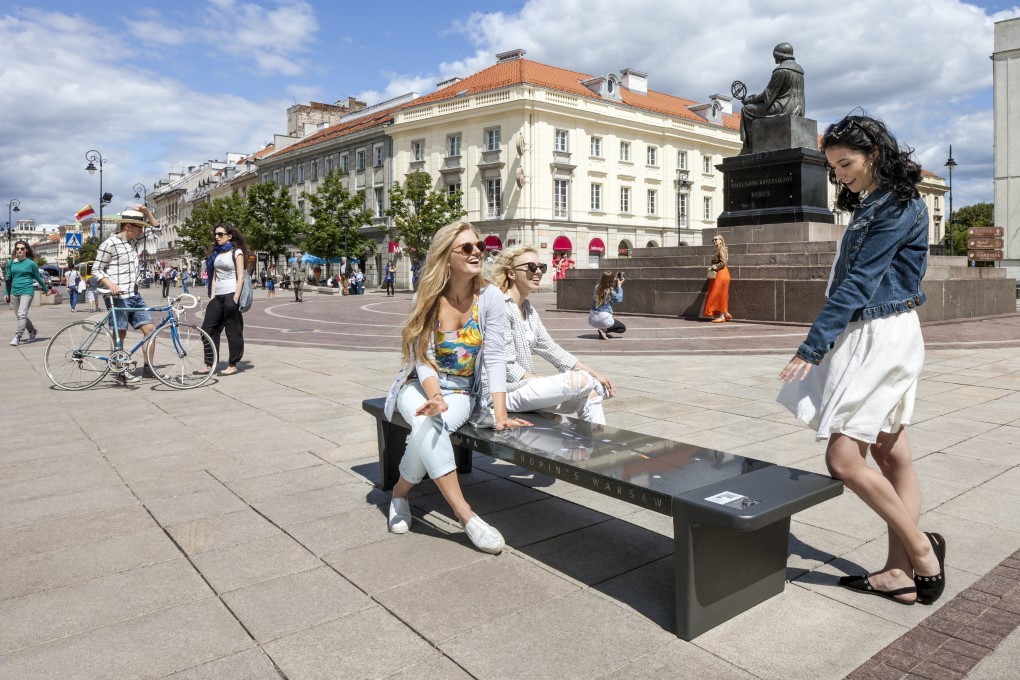
Today, you can follow a Chopin trail through Warsaw that leads to places where he actually lived, studied and performed, as well as to sites that preserve his musical legacy. Most of the central locations can be combined with a walk along Krakowskie Przedmieście and the Royal Route.
Let’s start!
A good place to start is the Fryderyk Chopin Museum at 43 Tamka Street, housed in the historic Gniński-Ostrogskich Palace.
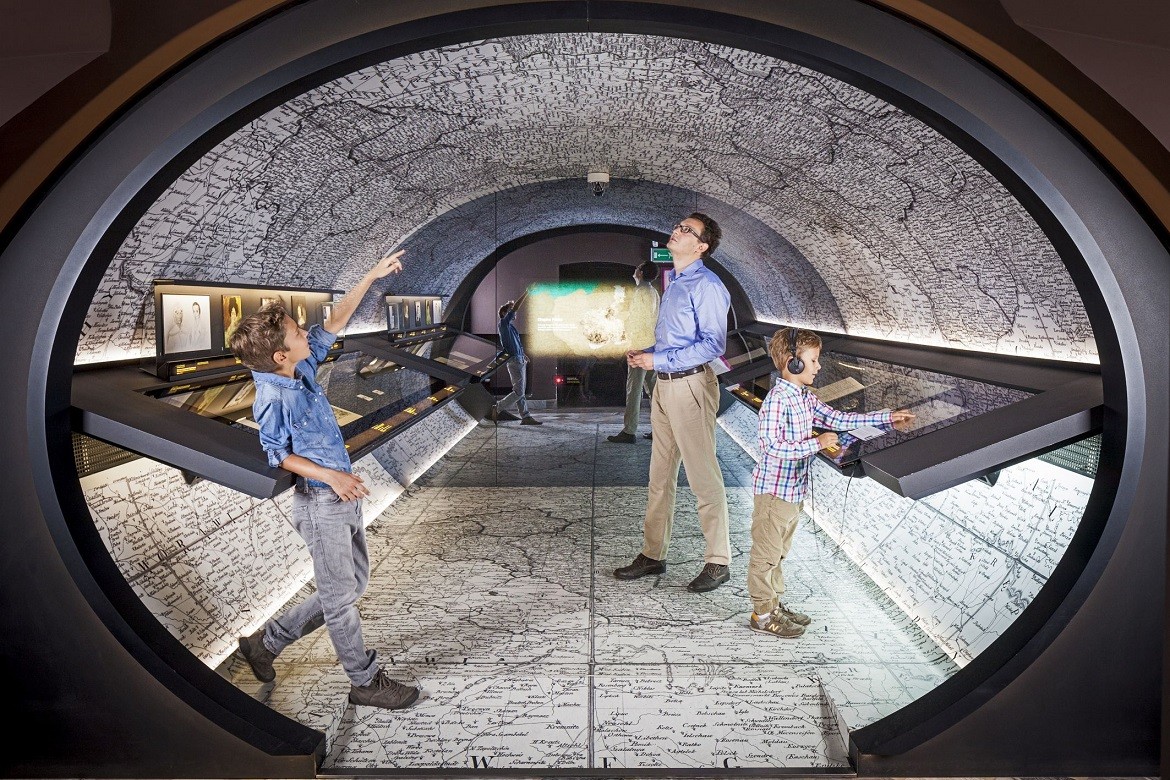
The museum is dedicated to Chopin’s life and music. Its collection includes manuscripts, letters, portraits, documents and personal objects associated with the composer. It is a useful introduction to his story before exploring the Warsaw streets and buildings connected with his life.
Chopin’s Warsaw: From Childhood to Musical Career
The Chopin family moved to Warsaw in 1810, when Fryderyk was only a few months old.
His father, Nicolas Chopin, taught at the Warsaw Lyceum, and the family lived in several locations connected with the school. They first lived in the Saxon Palace, where the Lyceum was then located, and later moved to an annexe of the Kazimierzowski Palace, now part of the University of Warsaw. These places help explain why Warsaw was so important to Chopin’s development. It was here that he received much of his education and began his life as a professional musician.
Where Young Chopin Made Music
The Visitationist Church on Krakowskie Przedmieście offers a particularly direct connection with Chopin’s youth. As a student at the Warsaw Lyceum, he played the church organ during services for schoolchildren. The church therefore provides a rare opportunity to visit a place where the young Chopin actually made music. It is also an easy stop to include when walking along Krakowskie Przedmieście.
Chopin’s last home in Warsaw
At 5 Krakowskie Przedmieście, the Czapski Palace marks another important point on the Chopin trail.
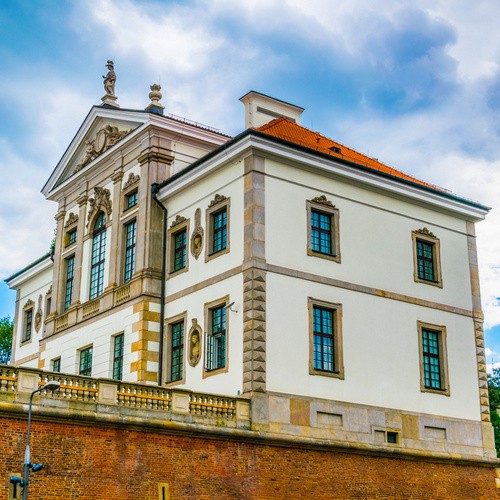
Chopin lived in an annexe of the palace with his family from 1827 until 1830. It was his last Warsaw home before he left Poland. Today, the building is home to the Warsaw Academy of Fine Arts, while the Chopin Salon commemorates the family’s former apartment. For visitors interested in Chopin’s biography, this is one of the most significant stops in central Warsaw.
The Beginning of Chopin’s Public Career
The Radziwiłł Palace, now the Presidential Palace on Krakowskie Przedmieście, is another key location.
On 24 February 1818, eight-year-old Chopin performed at a charity concert held at the palace. It is regarded as his first public performance. His reputation in Warsaw grew over the following years, as he performed in the city’s salons and concert halls.
Another important location is Krasiński Square. In Chopin’s time, the National Theatre stood here. In March 1830, shortly before leaving Poland, Chopin performed his Piano Concerto in F minor there. Later that year, he gave his farewell concert in Warsaw before leaving the country.
Where is Chopin’s heart?
The Church of the Holy Cross at 3 Krakowskie Przedmieście is one of the most important stops on the Warsaw Chopin trail.
Chopin died in Paris in 1849 and was buried at Père-Lachaise Cemetery. His heart was brought back to Poland by his sister Ludwika and placed inside one of the church’s pillars. The heart was removed during the Second World War but returned to Warsaw in 1945. Today, the memorial marking its location is one of the city’s most important places associated with Chopin. For many visitors, it is also the most symbolic stop on the trail: although Chopin spent the final years of his life abroad, his heart returned to Warsaw.
Where to Hear Chopin in Warsaw?
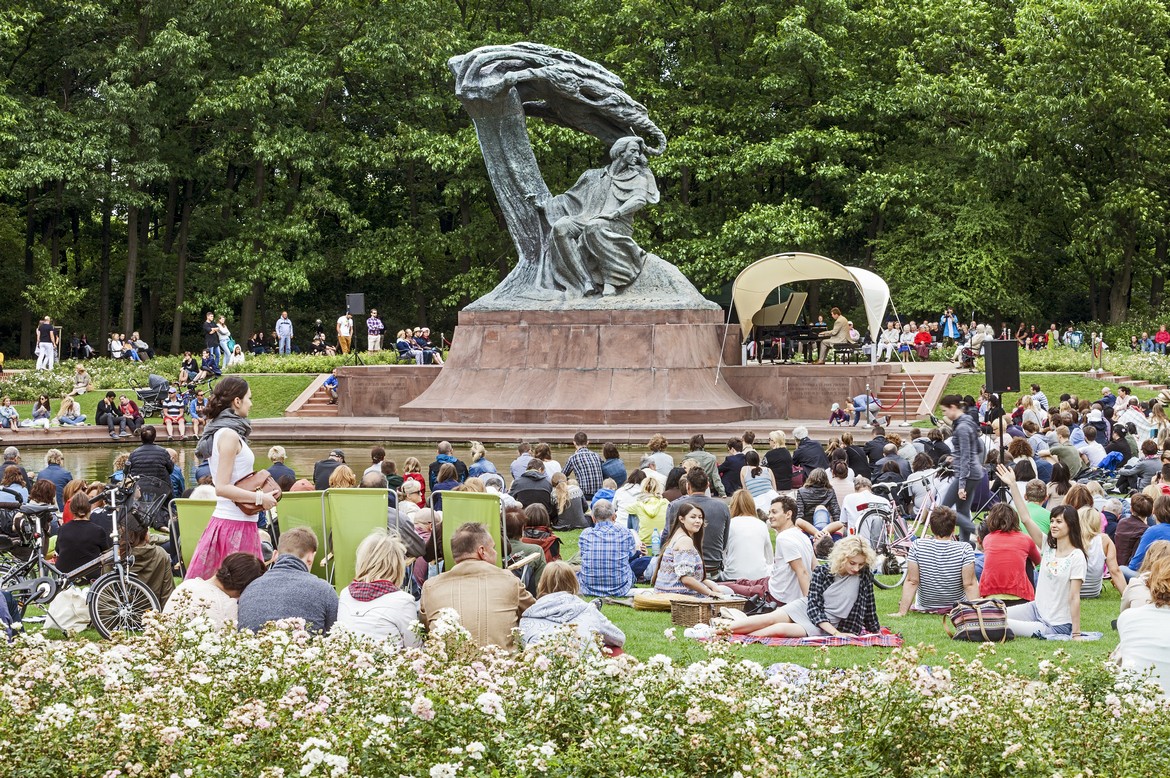
Royal Łazienki Park is one of the best-known places in Warsaw to experience Chopin’s music, but there is an important distinction.
Chopin did not live or work here, and he never saw the famous monument dedicated to him. The monument by Wacław Szymanowski was unveiled in 1926, decades after the composer’s death. Today, however, the park is closely associated with his musical legacy. Chopin concerts have been held beside the monument since 1959, continuing a long-standing Warsaw tradition of open-air piano recitals. The concerts take place during the summer season, and admission is free. Check the current programme and schedule before your visit, as dates and times may change.
The Chopin Piano Competition
Chopin’s connection with Warsaw continues through the International Fryderyk Chopin Piano Competition.
Established in 1927 and organised by the Fryderyk Chopin Institute, the competition is held every five years and brings young pianists from around the world to Warsaw to perform Chopin’s works. It is one of the oldest events of its kind in the world and has played an important role in the international careers of many pianists. If you are visiting Warsaw during a competition year, check the programme in advance. For classical music lovers, it can be one of the highlights of a trip to the city.
Chopin’s Birthplace: Żelazowa Wola
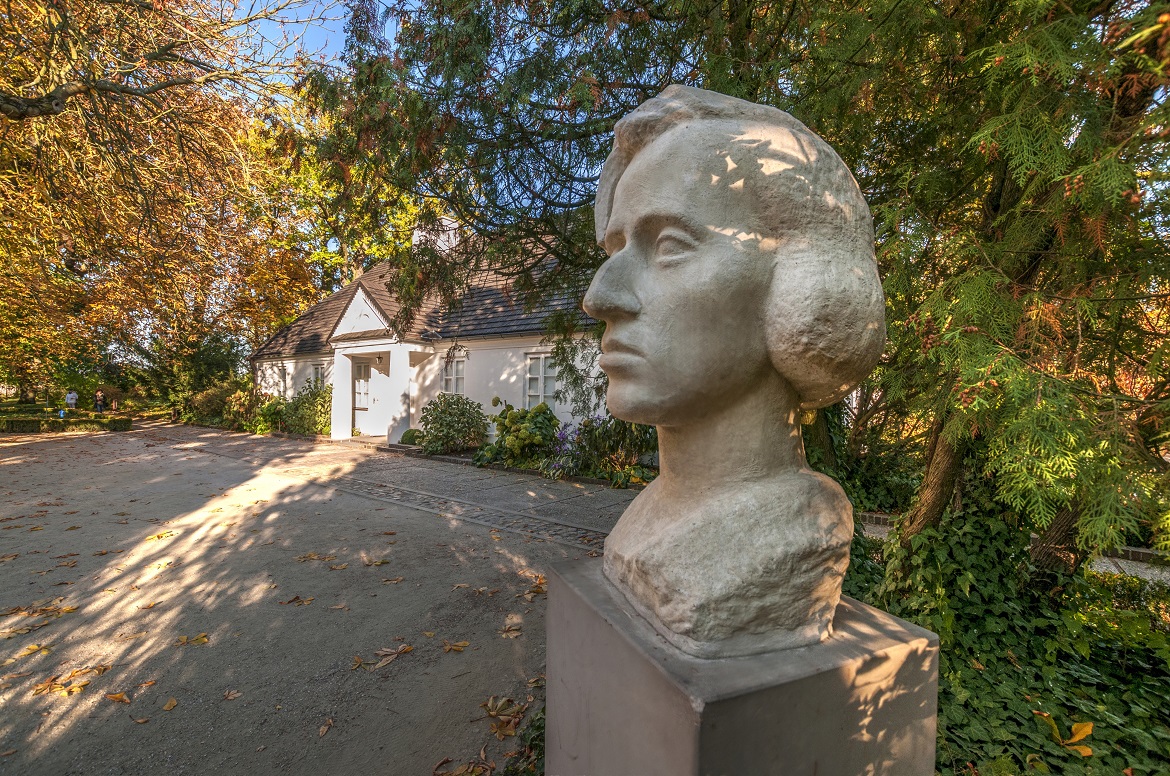
To continue your Chopin journey beyond Warsaw, travel to Żelazowa Wola, a village in Mazovia where Fryderyk Chopin was born in 1810.
The Birthplace of Fryderyk Chopin and Park in Żelazowa Wola is now a museum surrounded by a historic park. The setting is very different from Warsaw. Here, instead of historic city streets and palaces, you find a rural landscape associated with Chopin’s earliest years. For anyone visiting Poland because of Chopin, Żelazowa Wola is the natural extension of a Warsaw itinerary and a chance to see where his story began.
Following Chopin Through Warsaw
If you have half a day, focus on the central Chopin trail:
Fryderyk Chopin Museum → Visitationist Church → Czapski Palace → Radziwiłł Palace → Church of the Holy Cross.
Most of these sites can be combined with a walk along Krakowskie Przedmieście and the Royal Route.
If you have more time, add Royal Łazienki Park to hear Chopin’s music during the summer concert season.
And if you have an extra day, continue to Żelazowa Wola, where Chopin was born.
Following Chopin in Warsaw is more than visiting museums and monuments. It is a chance to walk through the city where he grew up, discover places where his musical career began and hear his compositions performed more than two centuries after his birth.
Follow the trail through Warsaw, then continue to Żelazowa Wola, where Chopin’s story began.