Wrocław – city break
Wrocław – city break
Wrocław is one of the most popular Polish cities for tourists and students. It is located in Lower Silesia, making traveling to the mountains or abroad easy. The city delights with its beautiful views, a rich selection of restaurants and cafés, and its rich history. Wrocław is a city of meetings. You can reach it by train, bus, car, or plane.
Day One: Visiting the City of Dwarfs
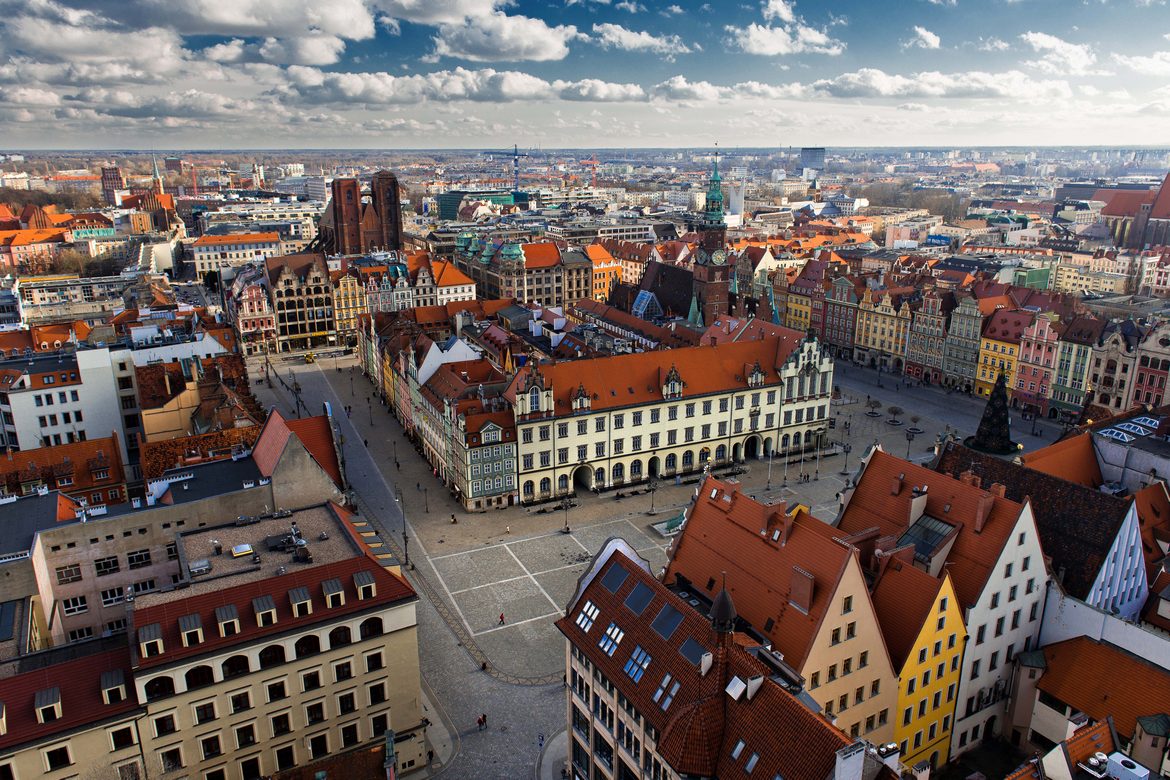
Start your visit at Wrocław’s Market Square, one of the largest in Europe, where the town hall is located. It is one of the best-preserved town halls, with the oldest part, the consistorium – a meeting place – dating back to 1299. It presents itself magnificently and is a landmark in the town square. Next to the Town Hall is the House Under The Golden Sun or the Griffin House, whose facades are highly ornate. That’s certainly not all: Wrocław’s Market Square is surrounded by 60 colorful townhouses, and today’s restored facades inspire admiration. Each townhouse is a different story, and standing in the middle of the square, you feel you are in some fairytale land. The market is also a meeting place and hosts numerous seasonal attractions. The best-known events include the Christmas Market, the Midsummer Fair, and the Guitar Guinness World Record event (the current record, set in 2023, involved 7,967 guitarists). Do you enjoy playing the guitar? The next edition will take place on May 1, 2025.
Henzel und Gretel
Particularly notable are two townhouses located at the corner of the square near St. Elizabeth’s Church, known as Jaś and Małgosia (Hansel and Gretel). Both townhouses were built in the 15th century. In the past, they were part of a complex surrounding the cemetery square in front of St. Elizabeth’s Church. The passage between the two townhouses was once the entrance to the cemetery. For 500 years, they have been connected by a stone arch – as if they are holding hands. It is believed that the name of the townhouses originated in the post-war period. Their current appearance results from two renovations in the 1960s and 1970s. On Jaś, one can see later decorative elements associated with the work of Eugeniusz Get-Stankiewicz.
Viewpoints
Indeed, anyone visiting the Market Square will notice the Basilica of St. Elizabeth of Hungary. It is one of Wrocław’s most important churches, the municipal parish, Elizabethan church, or garrison church. The Gothic church was built at the beginning of the 14th century. In 1525, its 90-meter tower was completed, offering stunning views of the Old Town and other districts of Wrocław. First, you must climb 304 stairs, but the views are well worth the effort. In the Basilica, an additional attraction is the massive organ, which has recently been restored. Previously, the organ was partially damaged in a fire that struck the basilica.
Another must-see is the Bridge of Penitents at the Cathedral of St. Mary Magdalene in Wrocław. The bridge connects the two cathedral towers and is located on the fifth floor, at a height of 45 meters. There is no elevator, so you must climb 247 steps to reach the viewing platform. But it’s worth it! This bridge is steeped in legends and tales. It is said that this was the place where young women were confined if they chose a life of debauchery over starting a family and remaining faithful to one man. As punishment, they were made to sweep the bridge, symbolizing penance for their actions. The bridge was also a test for witches—legend has it that only women who had dabbled in magic could cross it. Would you dare to try?
In Wrocław, there is one more modern viewpoint – Sky Tower, a multifunctional architectural complex that combines shopping, services, and entertainment. The observation deck is located on the 49th floor, making it the highest viewpoint in Poland. From here, you can enjoy panoramic views of Wrocław and its surroundings. No climbing is required—an elevator will take you to the top!
One last attraction to mention is the Sculpture of the Anonymus Pedestrian. Located right next to the Capitol Musical Theatre, at the intersection of Świdnicka and Piłsudskiego streets, the monument depicts figures of people emerging from the ground on both sides of the street. The memorial serves as a reminder of the declaration of martial law in Poland, which forced many social groups to “go underground.” It leaves a powerful impression and is sure to remain in your memory
How much time do I need? 5 and more. Wrocław is full of attraction!
Attention dwarves!
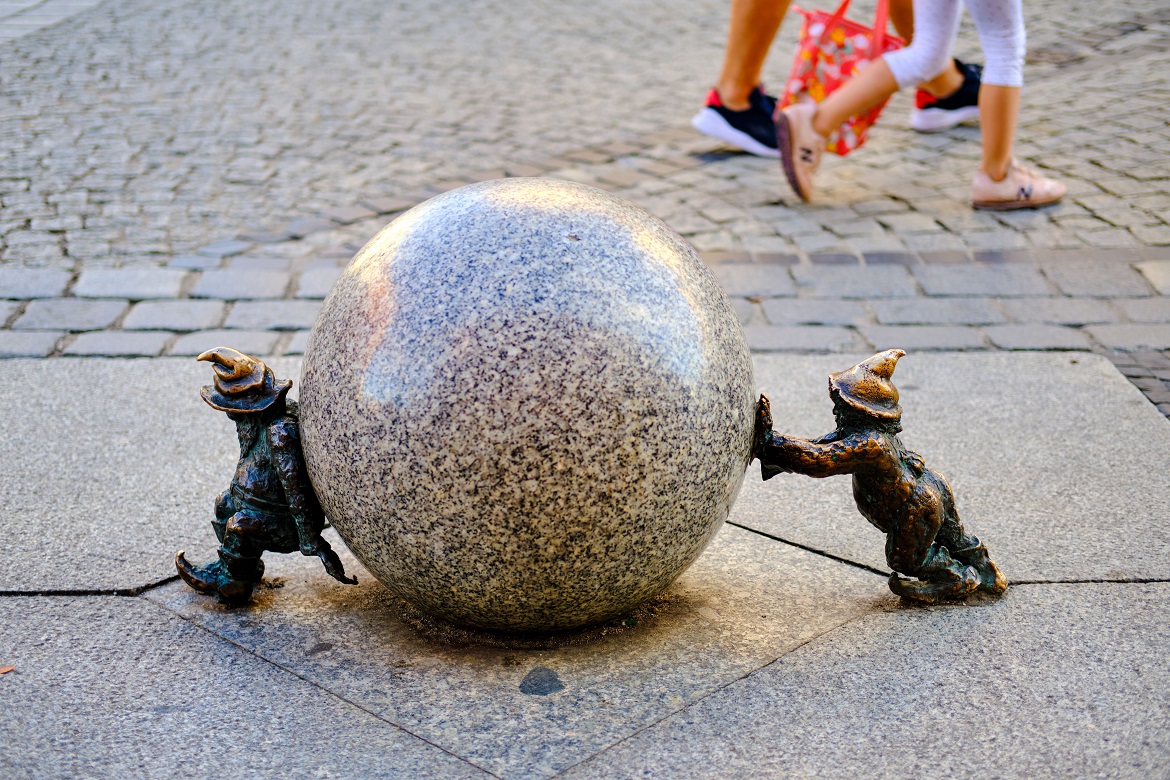
The dwarves have taken over Wrocław.
The number of dwarves is a mystery, but there are already about 1,000 of them. Historians, journalists, and ordinary Wrocław citizens have been arguing for years about the origin of dwarves in Wrocław. There are several versions of the legend – saving the city from the Oder Dwarf or the symbol of the Orange Alternative representing the fight against communism. Yet another theory claims that the first dwarf in Poland, Papa Dwarf, made his home in Wrocław. Soon, other dwarves arrived in Wrocław, and people became friends with the dwarves. nowadays, gnomes are one of the symbols of Wrocław. The dwarves are a delightful blend of history, art, and fun, embodying the city’s unique charm. If you ever visit Wrocław, watch for these little figures—they’re everywhere. Once a year, the dwarves have their celebration – the Dwarf Festival in September. It’s a genuinely fairytale celebration, a few days of a joyful, colorful fiesta in which dwarves and people participate. Look for dwarves in Wrocław; count how many you found during your visit. It’s fun!
Day two: Outdoors
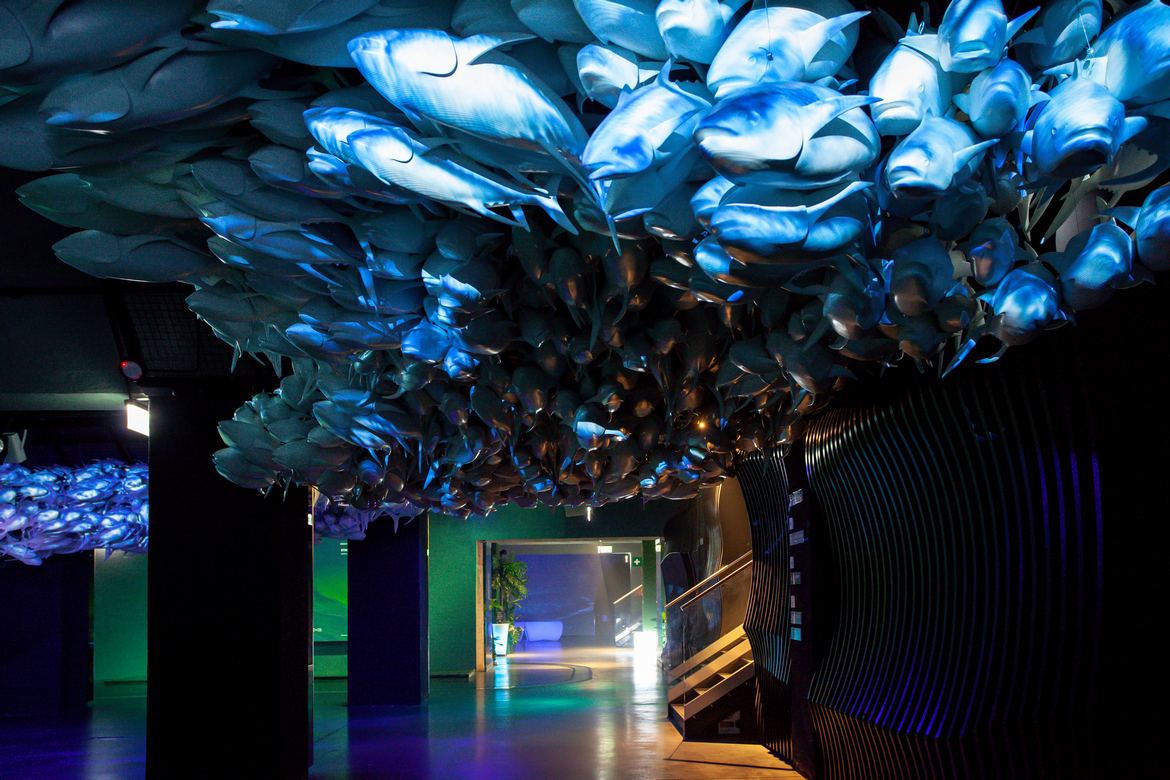
While in Wrocław, you can visit the Wrocław Zoo, where you can see rare and unique animals from all continents in just a few hours. The zoo is home to approximately 14,000 animals, representing 1,100 species. It’s worth starting your visit at the Africarium, an oceanarium featuring species exclusively from the African continent—ranging from the beaches of the Red Sea to the Congo jungle. Turtles, colorful fish, hippos, rays, sharks, penguins, crocodiles, and stunning manatees are just a few of the attractions waiting for visitors.
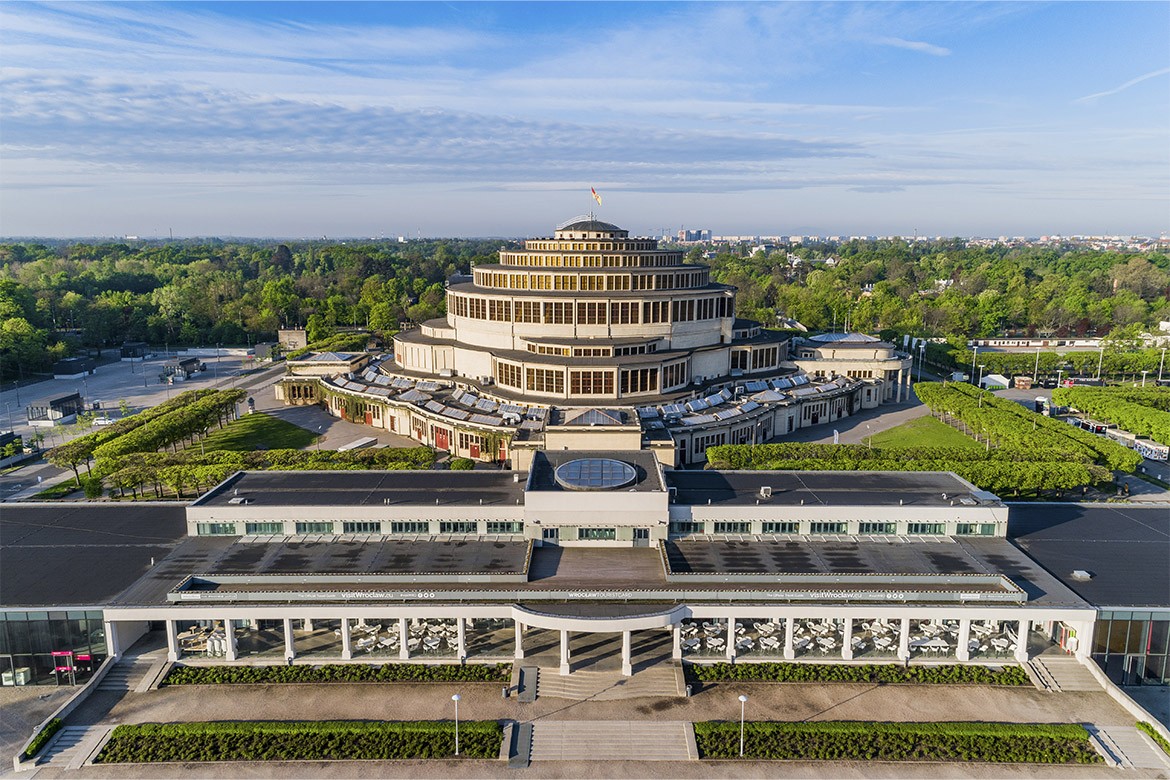
Next to the zoo is the Centennial Hall, designed by the renowned architect Max Berg. This structure fully deserves its status as a masterpiece of 20th-century architecture and is part of the UNESCO World Heritage List. The hall is an ideal venue for sports events and concerts.
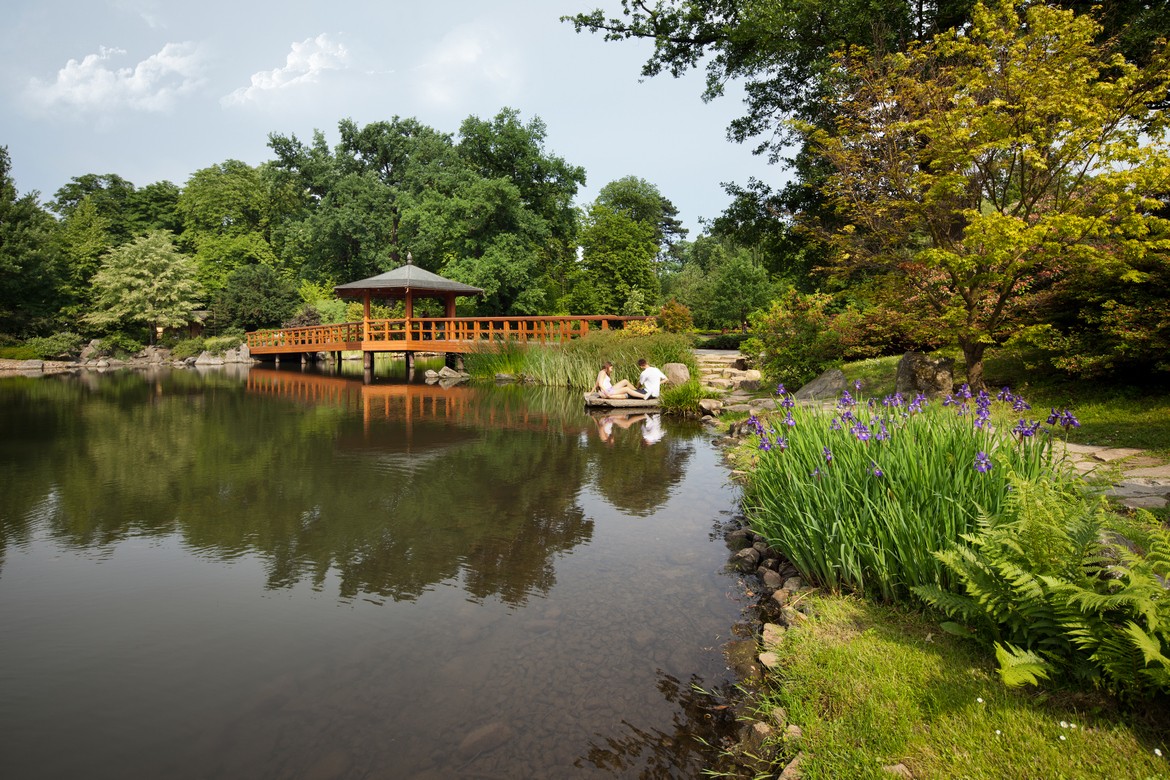
The spaces around Centennial Hall are a real treat for speculators. We now head towards the Japanese Garden. Unique on the map of Wrocław, it has been arranged according to the design rules of traditional oriental gardens. It is attractive because of its architecture, arrangement, and rare plant species. The Pergola is a must-see—designed for leisurely walks and spending slow, lazy hours with your favorite book. The Pergola is an interesting structure: two rows of rough, raw concrete columns topped with a lattice covered in climbing vines. There are 750 columns, and the entire structure is 640 meters long. It’s a space filled with shade, greenery, and nature. Nearby, you’ll also find the Four Domes Pavilion, a contemporary art museum. The space is organized exceptionally intriguingly—an innovative architectural gem designed by Hans Poelzig. Today, it features an east wing with an outdoor courtyard and a west wing for temporary exhibitions. The venue has regained its vibrancy and become a contemporary art hub. In front of the museum, you’ll also see a beautiful fountain.
How much time do I need? It depends on how much time I have.
Day three: Other parts of the city
Ostrów Tumski
Is one of the most enchanting and historically rich areas in Wrocław. It’s the oldest part of the city, offering a blend of stunning architecture, fascinating history, and a tranquil atmosphere. Ostrów Tumski was established in the area of river crossings on the Oder, between the mouths of the Oława River to the south and the Ślęza and Widawa Rivers to the north. The river, branching into numerous channels, created islands here. According to legend, modern Wrocław originated from Ostrów Tumski. The Cathedral of St. John the Baptist, the Church of the Holy Cross, and the Archdiocesan Museum are just a few of the historic attractions in this area. Here, Tumski Bridge, also known as the „Bridge of Love,” connects Ostrów Tumski to the mainland. It’s adorned with countless padlocks left by couples to symbolize their love.
Botanical Garden of The University of Wrocław
Not far from Ostrów Tumski, there is a real island of green in the middle of the city – the Wrocław Botanical Garden. Its history dates back to the early 19th century. The garden features a wide variety of plants, including endangered species. Visitors can admire charming bridges and ponds and enjoy the serene atmosphere while sitting on benches in the shade of trees. Here, You will find the largest collections of cacti and succulents, as well as stunning collections of magnolias, rhododendrons, azaleas, hydrangeas, roses, and daylilies, bloom, creating a colorful and fragrant experience.
Racławice Panorama
It’s time to relax at the famous Boulevards on the Oder, which offer spectacular views. You can spend your time here enjoying walks, soaking in the scenery and nature, or heading to one more destination. In Wrocław, you can see the Racławice Panorama, a masterpiece created by renowned Polish painters Jan Styka and Wojciech Kossak at the end of the 19th century. You can admire it in a rotunda designed to display this enormous painting commemorating the victorious Battle of Racławice, led by General Tadeusz Kościuszko. The artwork, measuring 114 by 15 meters, tells a complete story. During the experience, visitors embark on a multimedia journey—listening to the history while some parts of the painting appear three-dimensional, allowing you to feel like a participant in the events. Creating the Racławice Panorama required 750 kilograms of paint and 1,800 square meters of canvas.
How much time is needed? 3-6 hours. Viewing the painting of Racławcie takes about 30 minutes.
Convinced to embark on an adventure with the Wroclaw’s attraction?