Poznań – city break
Poznań – city break
Poznań is an important industry, commerce, culture, higher education, and science center. It is also one of the leading cities in Poland in terms of economic strength. This is also a good place for tourists. The Old Town and the 19th-century city center are truly impressive, with the townhouses in the market square looking like something out of a fairy tale. Here, you can also explore the layout of 19th and 20th-century fortifications or visit the Poznań Fortress. The city where you can enjoy Saint Martin’s croissants all year round, as well as Gray Dumplings and boiled or baked jacket potatoes, served with a mixture of fatty white cheese, cream, and onion or chives (in Polish: pyry z gzikiem). Poznań. It is a city worth discovering. A convenient connection is by train and plane.
Day one: Meeting with the goats.
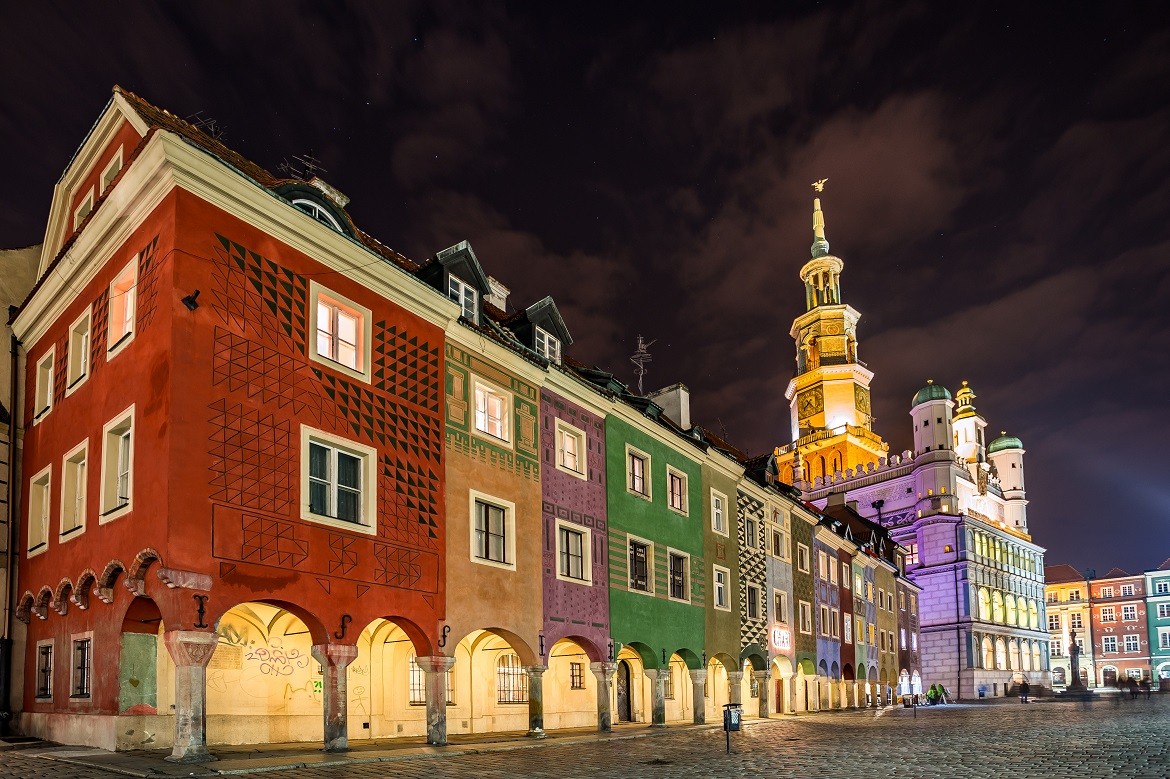
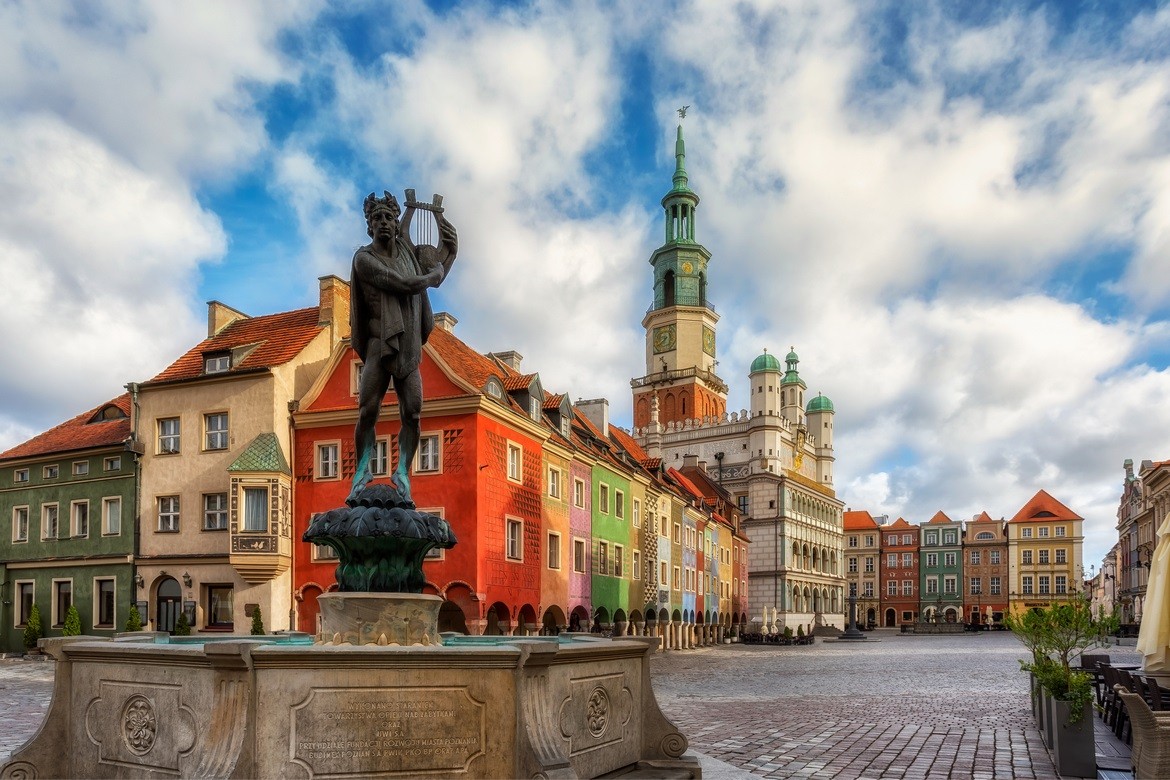
Old Market Square is the first point of our journey. This square is regarded as one of the most beautiful centers among tourists, with the iconic, fairy-tale-like architecture of the buildings in Renaissance style. At the town hall, at 12 o’clock, you can watch the most fascinating attraction in Poznań – goats clattering on the tower. Many people come to Poznan to see the famous goats. According to legend, the goats were to be a delicacy for a planned grand feast to celebrate the rebuilding of the town hall, to which notable personalities were invited in Poznań. However, they escaped from the cook and hid in the tower of the Town Hall. In front of the assembled townspeople, frightened, they started a fight. This sight amused the governor and the guests so much that the mayor decided to save the goats. In addition to the goats, the façade of the Town Hall is worth noting. It contains drawings – references to the virtues that city officials should display. It speaks of patience, prudence, love, justice, faith, hope, fortitude and temperance. On the opposite side of the square is the guardhouse building, which houses the Museum of the Greater Poland Uprising 1918-1919. At the corner of the Old Market and Wroniecka Street, you will find the Mielżyński Palace. In the southern part of the Market Square, the Municipal Gallery Arsenal has its seat, regularly organizing exhibitions on important social topics.
A must-see is the collegiate Basilica of Our Lady of Perpetual Help, Saints Mary Magdalene, and Stanislaus of Szczepanów, which is also worth seeing from the inside. In Poznań, it is referred to by a much simpler name – the church is simply Fara. Also noteworthy is the building of the former Saski Hotel. For 19th century Poznan, it was one of the most important hotels. Napoleon stayed here in 1806. The western part of the Old Town hosts the Royal Castle, which has been destroyed and rebuilt many times throughout history. Construction of the castle probably began in the 13th century. The National Museum is located here.
How about some more free attractions?
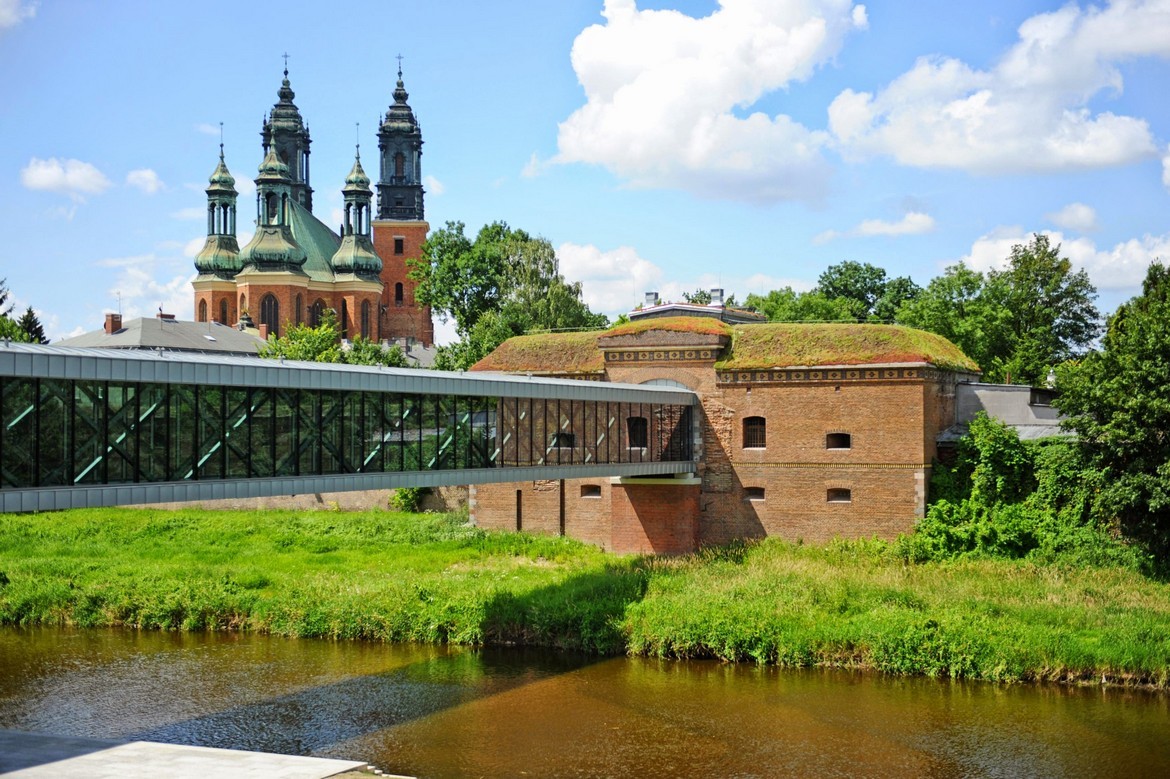
Ostrów Tumski, the last island on the Warta River, and the Poznań Cathedral located there, is a perfect spot for a walk for history enthusiasts. The second place is The Imperial Castle – although Poland was never an empire, Poznań was a favorite place of German Emperor Wilhelm II. His residence served various purposes over the years. When it housed a university, Polish scientists who later cracked the Enigma code studied there. Today, it hosts the fascinating Museum of the Poznań Uprising.
How much time do I need? 4 hours should be enough.
Day two: Croissants and Pyry
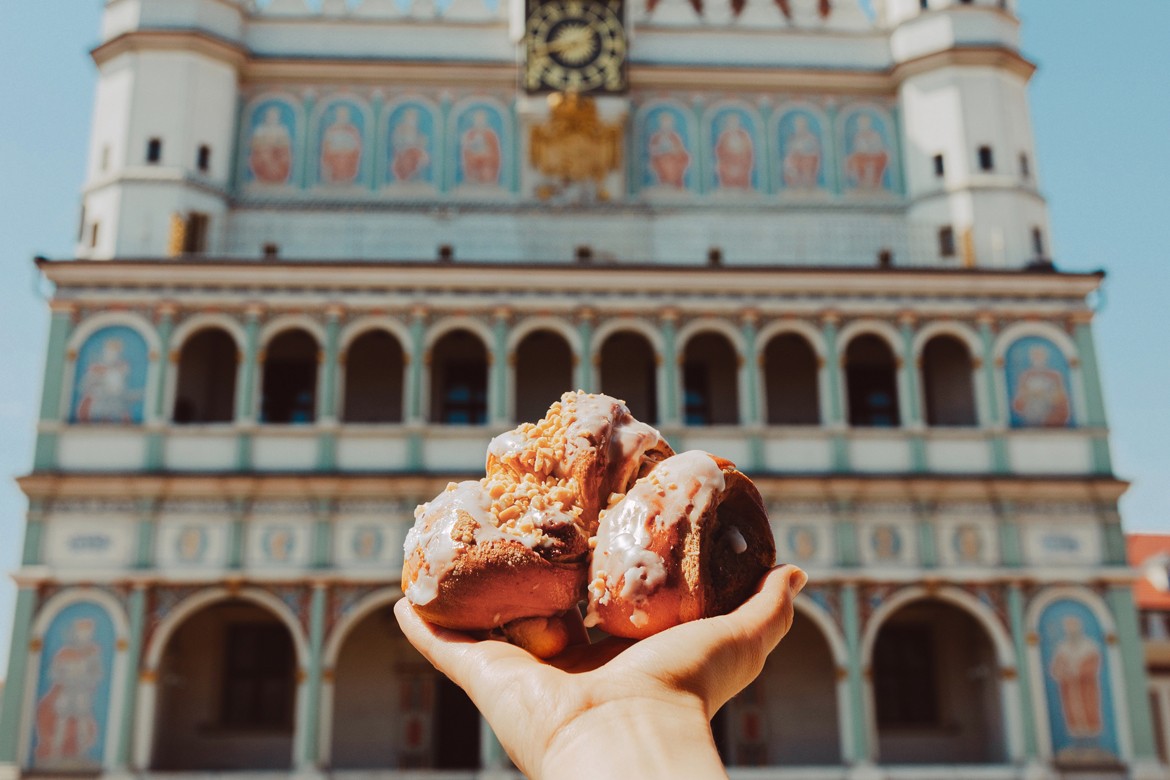
Croissants are in Poznań popular and recognizable as Gingerbread in Toruń or Oscypek cheese in Zakpane. That is why a visit to the Croissant Museum of Poznań is planned today. Here, we will learn how the most delicious croissants in Poland are made – we will see a live demonstration led by the Croissant Master and the most genuine Poznań resident – Uncle Bin. St. Martin’s Croissant is a crescent-shaped croissant filled with sweet poppy seed and white almond filling, often topped with icing and nuts. In addition to a demonstration, we will learn about the legend of the origin of the croissants, we will be able to taste them, and we will be able to prepare and bake the Croissant ourselves using traditional tools and elements of the Poznań dialect. From the museum, it is possible to see the show of the famous goats from the Museum’s windows. Such an opportunity only happens once a day and only in the Croissant Museum. Another tasting venue is the Poznań Pyry Museum. A must-see for gastrotourists and anyone who loves potatoes. The museum was established in 2019, which is quite surprising that it was created so late, as Poznań is, after all, the capital of the potato. It only takes 60 minutes for my head to fill up with anecdotes and facts from the world of the potato. The museum is at 18 Wroniecka Street, but you can get there from Mokra Street. Don’t let the inconspicuous entrance fool you because it is underground (as befits a potato) that the pyry familiarisation will take place. A visit to the museum itself will not take more than an hour. Still, the amount of information, the legends of the potato, and the possibilities offered by the potato are invaluable knowledge.
Lake in the city
After tasting the delicious pastries, head to Lake Malta. The 2.2km long lake is the largest man-made lake in the city, with an average depth of 3.1 meters. This recreation area is good in summer and winter. Around there are parks and woodland; here, you can relax on the beach, try water sports, enjoy the Malta Thermal Baths, and ride on the Maltanka narrow-gauge railway.
How much time do I need? 3-6 hours, depending on what You want to do at the lake.
Day three: Fauna and Flora
Another attraction is a visit to the Palmenhaus Poznań – one of Europe’s largest exhibitions of exotic plants and fish, and it is also the oldest and most significant place of its kind in Poland. It invites visitors on an unforgettable journey across distant continents among the rich flora of different climatic zones. It has been in Park Wilson in the center of Poznań for over 110 years. Here, we will see around 17,000 plants of seven hundred species and varieties from countries with Mediterranean, subtropical, and tropical climates, as well as those from the savannah and desert. The facility also houses the first public aquarium in Poland. 37 tanks in which 170 species of fish from various parts of the world can be seen, as well as around 40 species of aquatic plants.
Breakfast with capybaras
We stay in the climate of flora and fauna and move on to visit the New Zoo. It is one of the largest and most modern such places in Poland. The vast spaces are ideal for long walks, and for those who don’t like walking, there is a train that takes visitors around the zoo grounds. It is open from May to September. Poznań Zoo it is home to a wide variety of animal species from all around the world. The zoo offers a unique opportunity for visitors to observe and learn about animals in their natural habitats. The zoo’s biggest attraction is the elephant house, a refuge for surviving bears and lions. Most animals live in the open, without bars. This is possible because they are separated from visitors by moats or bodies of water. This visit will surely be memorable, an authentic encounter with nature – exotic and local. The zoo offers many cool activities – you can have breakfast with the capybaras. Capybaras, known as the largest rodents in the world, are friendly and calm creatures that often inspire affection with their peaceful nature and sociability.
Active Poznań
If You still have energy, let us go for a walk. The tree-top walkway in Poznań is located in a well-connected part of the city, making it accessible by several means of transportation, but from the Poznań Zoo, it is very close. This is one of the most fascinating outdoor attractions. The path is 250 meters long and features a rest and observation point, which is a perfect spot to admire the surrounding nature. A walk among the treetops in Poznań looks incredible, whether during the lush green spring or the snowy winter.
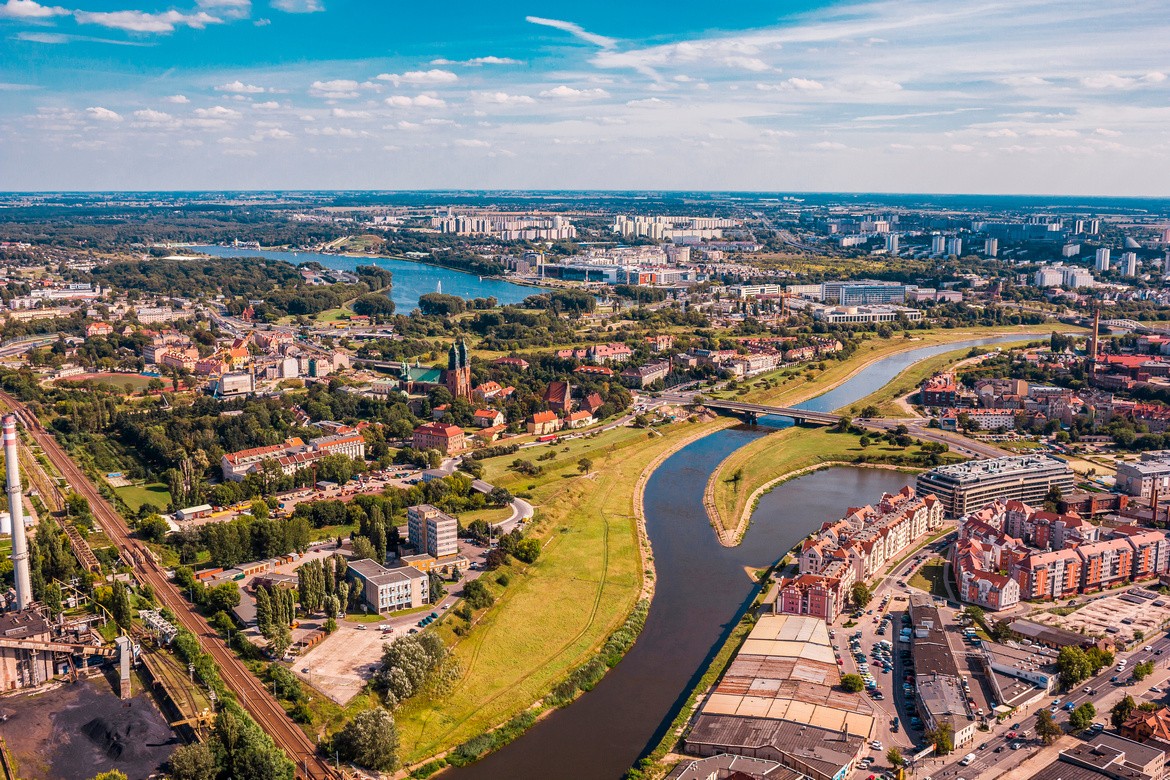
Another way to spend time actively is the Wartostrada—a cycling and walking path along the Warta River. Officially opened in the spring of 2017, it stretches from the Przemysł Bridge in the south to the Lech Bridge in the north, covering nearly 10 kilometers one way. The route is perfect for cyclists, runners, and walkers, offering plenty of greenery and relaxing areas.
How much time do we need? We do not need to count time for rest.
Are You ready for Poznań city?