Bydgoszcz – city break
Bydgoszcz – city break
This city is referred to as the 'Polish Venice.’ It is increasingly capturing the hearts of foreign tourists. There is a significant rise in interest. A new favorite destination for the British. Which city is being discussed? Bydgoszcz
As it turns out, Bydgoszcz hosted over half a million visitors in 2022. In 2023, Mill Island in Bydgoszcz was included among the Traveler’s 'Wonders of Poland’ summer poll winners. Why is this place so popular? Let’s try to find out.
The biggest attraction in Bydgoszcz is the water tram – a unique feature in the country, offering the opportunity to view the city from an entirely different perspective. The water tram has been operating here since 2004, initiating an innovative project modeled after other European cities to promote water tourism in the town. From the beginning, the project enjoyed great interest from residents and tourists, which undoubtedly accelerated efforts to develop it further. The tram operates during the tourist season (May to September). A ride on the water tram is an incredible opportunity to see the city differently and observe how hydrotechnical devices function in practice. Also, the name „Bydgoszcz Venice” is no coincidence. Several old houses, annexes, and tenements are near the Brda river. If you have visited Venice before, you will spot the similarities.
It is also worth emphasizing that the Bydgoszcz Canal is a project rich in eco-friendly solutions. Introducing electric and hybrid propulsion systems has significantly reduced emissions and noise, positively impacting the environment.
Let’s take a look at the tram route.
Option one: The Old Town Route
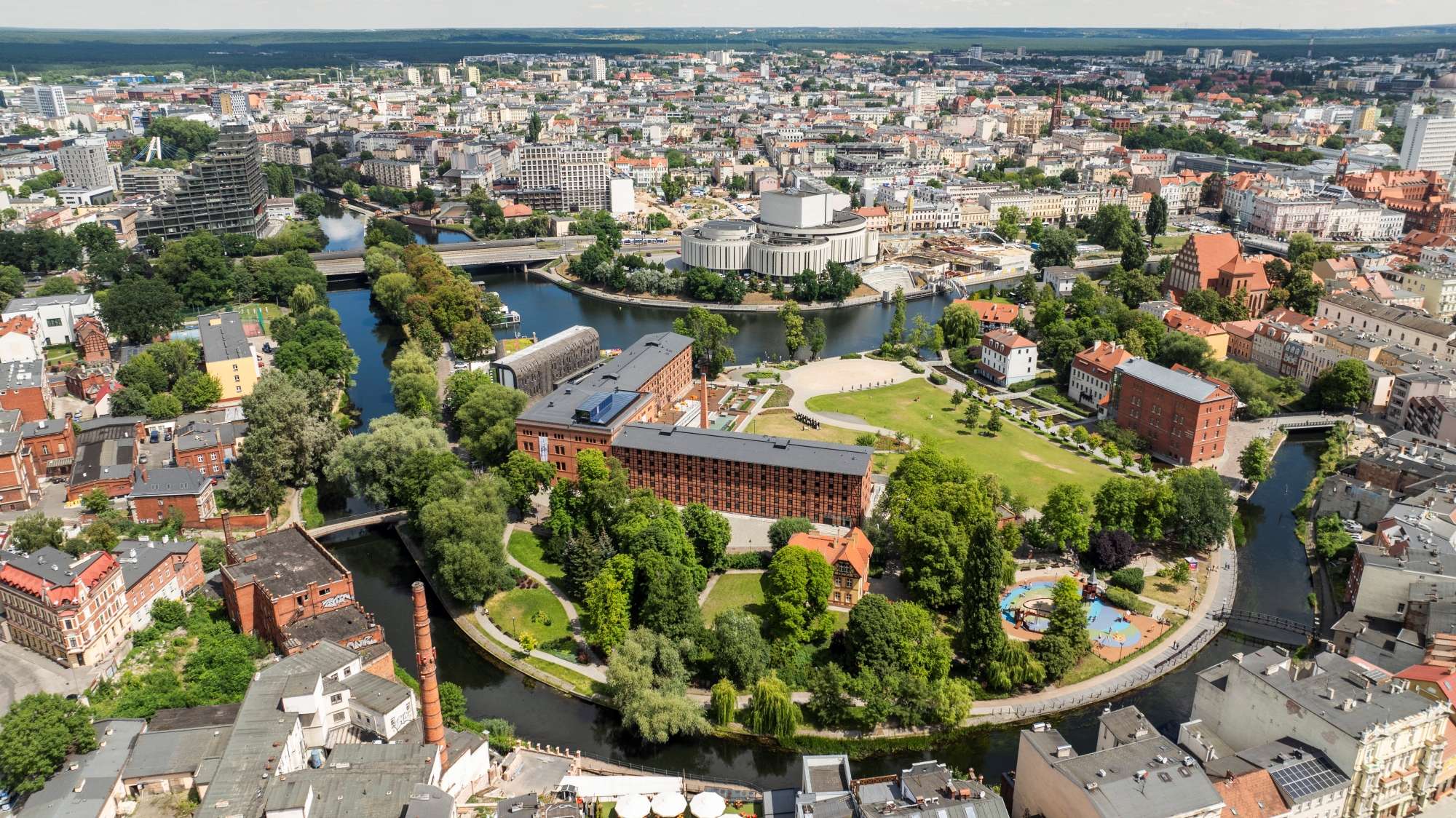
This route likely offers a scenic journey through the heart of Bydgoszcz, showcasing historical landmarks and the charm of the city’s old town area. It allows passengers to experience the unique blend of architecture, culture, and the city’s connection to water. This is the most popular route, running through the heart of Bydgoszcz. It begins at the Mill Island waterfront, then passes by the city’s most important landmarks, such as the Cathedral of St. Martin and St. Nicholas, the Opera Nova, and the granaries along the Brda River. This route is perfect for those who want to admire the city’s architecture and soak in the atmosphere of Bydgoszcz’s historic center
The Most Interesting Spots on the Route:
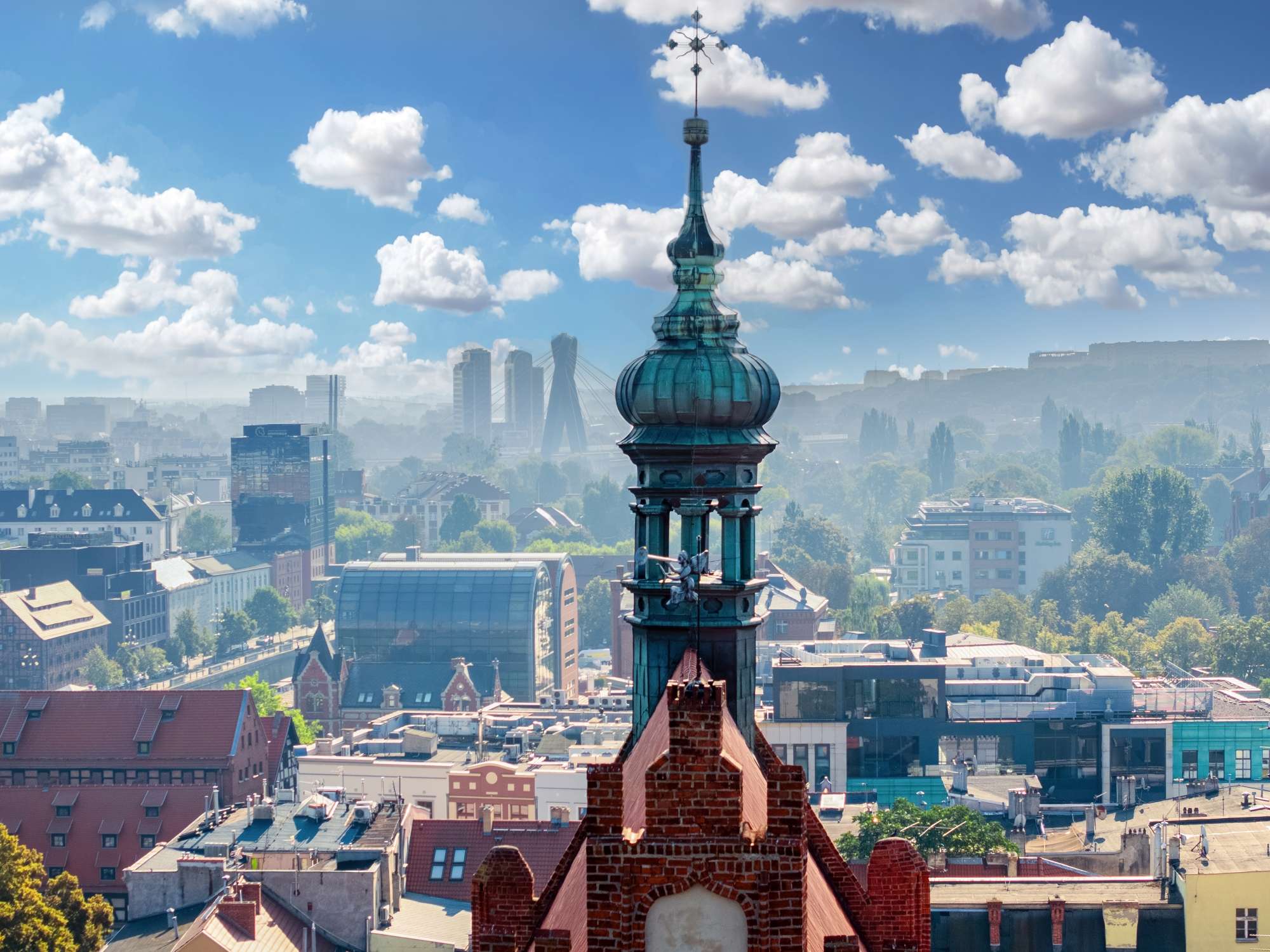
Cathedral of St. Martin and St. Nicholas Also known as the parish church, this is the oldest church in the city, dating back to 14th-century Bydgoszcz, following the town’s establishment and the granting of city rights by King Casimir the Great. Initially, the Bydgoszcz parish church was made of wood. However, wealthy townspeople decided to emphasize the importance of their city by funding the construction of a brick Gothic church. The construction lasted from 1466 to 1502. Inside, there are two crowned Marian images: Our Lady of Beautiful Love and Our Lady of Mount Carmel.
Mill Island Mill Island is a unique place, the heart of Bydgoszcz’s historic center, surrounded by numerous historic buildings, picturesque bridges, and recreational areas. On Mill Island, the Leon Wyczółkowski District Museum is worth visiting and relaxing at one of the many café gardens.
A significant highlight of this location is the Rother’s Mills—a renovated complex of grain mills. These impressive structures are examples of industrial engineering from past eras and a cultural testament to the city. Nowadays, the site hosts numerous cultural events, art exhibitions, and conferences today.
As you can see, exploring Bydgoszcz can be genuinely fascinating
Opera Nova Another remarkable stop on the route is Opera Nova, the most significant cultural center in the city. It hosts numerous opera performances, ballet shows, and symphony concerts. Since 1994, it has been the venue for the annual Bydgoszcz Opera Festival. A water tram ride offers a unique perspective on this modern and impressive architectural structure, with its facade beautifully reflected in the waters of the Brda River.
Bydgoszcz itself is quite a musical place. It features the Music District, which includes green spaces such as Jan Kochanowski Park, the Music Academy building, and the Polish Theatre. The Music District of Bydgoszcz is a perfect destination for those looking to explore the cultural and artistic side of the city.
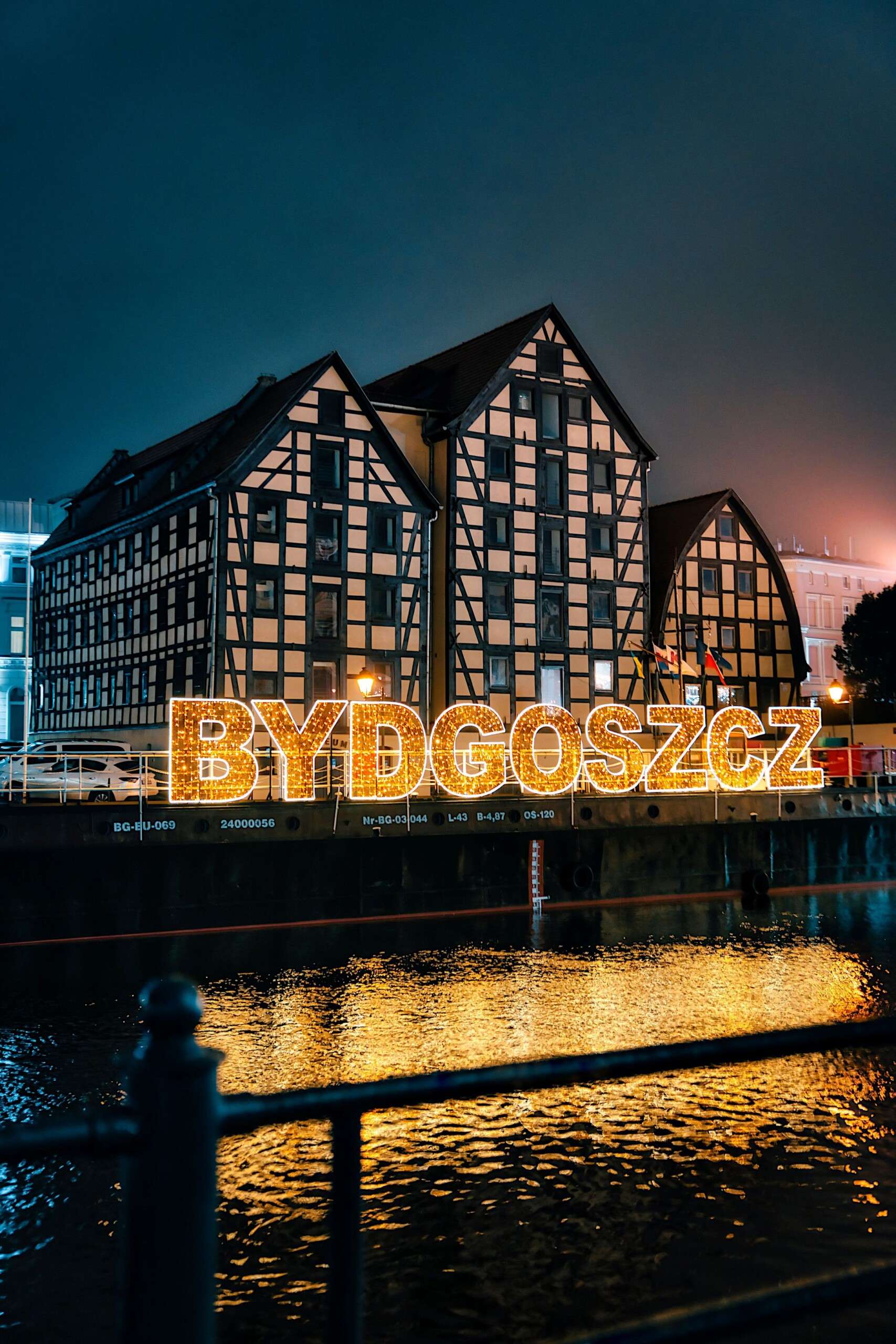
Granaries on the Brda The historic Granaries on the Brda River are one of the symbols of Bydgoszcz and are even featured in the city’s promotional logo. The granaries comprised five half-timbered buildings dating back to the late 18th and early 19th centuries, initially serving as grain warehouses.
Located on the banks of the Brda River in the city center, the granaries were essential for the operation of the port. Grain stored here was loaded onto barges and transported to Gdańsk. Today, the granaries house a museum dedicated to Bydgoszcz’s history and the surrounding region.

Option Two: The Sunny Route
An excellent choice for nature lovers, this route takes you along the picturesque landscapes of the Brda River’s banks, passing parks and recreational areas. The route initially follows the river downstream, passing a number of sports facilities. At the Słoneczny Młyn hotel, the boat turns around and heads towards Mill Island. Along the way, you can admire wild nature and numerous bridges and footbridges, which add an extra charm to the route.
The Most Interesting Spots on the Route
Bridges and Footbridges
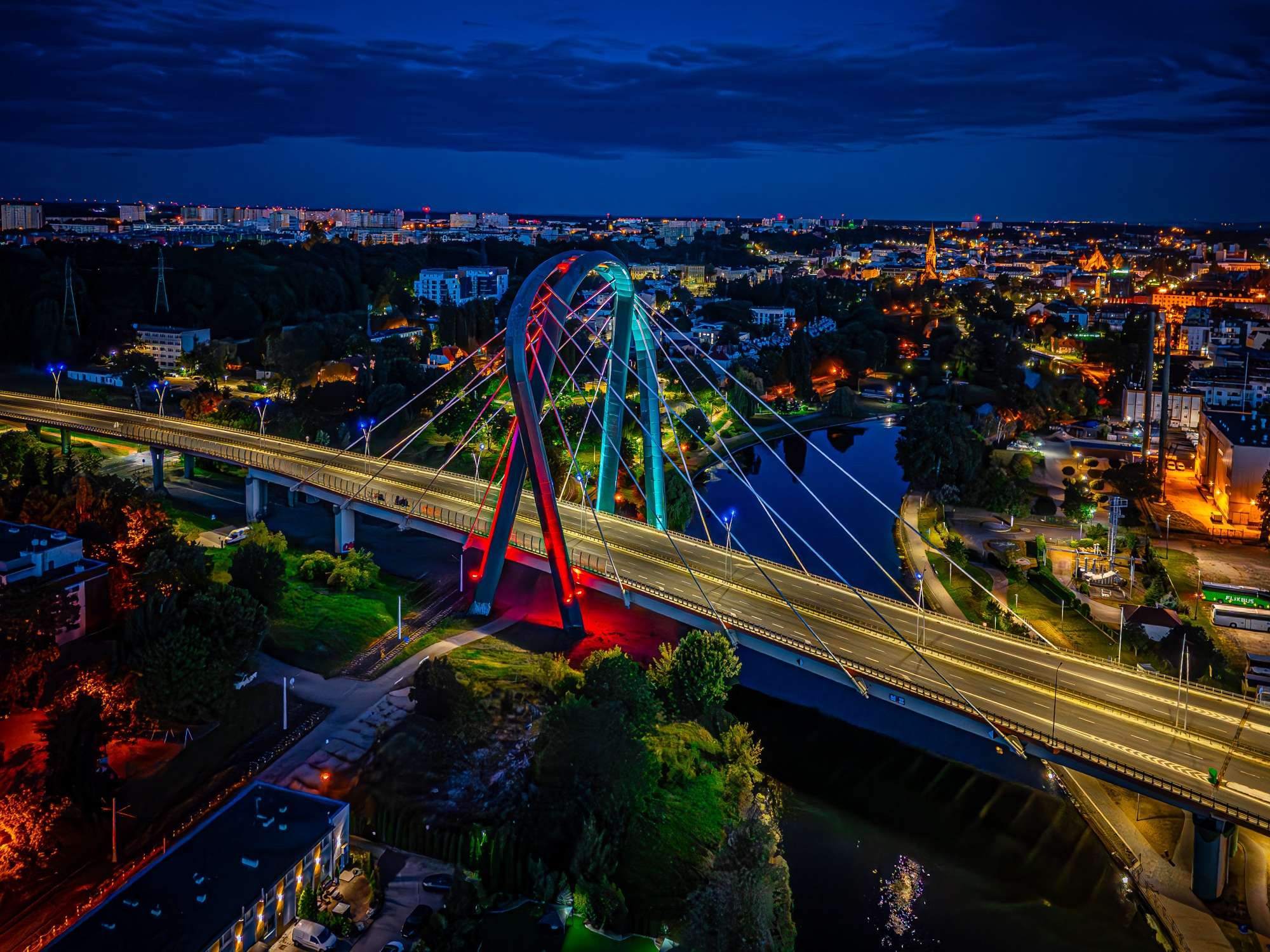
The route offers stunning views of bridges and footbridges spanning the Brda River. Each structure has its charm, blending modern design with historical elements, making them a highlight for photography and sightseeing.
Recreational Areas
As you glide along the Brda River, you’ll pass lush green spaces and recreational areas where locals and visitors enjoy picnics, jogging, or simply relaxing by the water.
Option Three: The Bydgoszcz Canal Route
This route is operated by the MS Bydgoszcz, a ship that is over a century old.
A real treat for waterway enthusiasts, this route offers a ride along the old, historic canal. It’s a journey through time, showcasing the evolving cityscape and the engineering marvels of the past. The Bydgoszcz Canal has a rich history dating back to the 18th century and is one of the oldest man-made waterways in Poland.
It was built between 1773 and 1774 during the reign and at the initiative of King Frederick II Hohenzollern of Prussia, who pursued an expansionist eastern policy, shortly after the First Partition of Poland in 1772. The Bydgoszcz Canal played an essential role in transporting timber to the west.
As a second factor in the city’s development—alongside the protectionist economic and administrative growth policies implemented by the Prussian authorities—it contributed to the overall growth of Bydgoszcz in the 19th century.
Today, beyond its modest transport function, the canal serves as a recreational area for city residents and tourists. Since 2005, it has also been listed as a protected historical monument.
As well as boat trips, the town offers plenty of attractions:
The Old Town of Bydgoszcz, the oldest part of the city, is also well worth a visit. Here, you can admire the architecture of numerous tenement houses and discover unique places such as the Museum of Soap and History of Dirt, the Modern Art Gallery, and the European Money Centre. An interesting spot is the old Water Tower, one of the most charming structures in the city. This historic site once played a vital role in the city’s water supply system and now belongs to the Waterworks Museum, making it a popular tourist attraction. At the top, there is, of course, an observation deck offering panoramic views of the entire area.
Another unique place is Exploseum, which will delight history enthusiasts. It was once a German explosives factory, established in 1939. By the end of 1944, over a thousand buildings, 400 kilometers of roads, and 40 kilometers of railway tracks had been constructed here. The factory produced gunpowder, nitrocellulose, and nitroglycerin. Today, Exploseum is part of the District Museum in Bydgoszcz it has eight buildings and an underground route. Exhibitions present, among others, methods of glycerin production, the history of factory workers, and Alfred Nobel’s inventions. The tour route spans 2 kilometers, making it a place that deserves attention!
Myślęcinek Park
This is the perfect place for nature lovers, as it is the largest urban park in Poland. The park covers an area of 830 hectares, which accounts for 4.7% of the entire city. The Forest Park of Culture and Recreation is a vast recreational area that combines the beauty of nature with infrastructure designed for active leisure, relaxation, and extreme sports. Visitors to the park can enjoy cycling trails, visit the zoo, or explore the rope park. The park is located just 5 kilometers from the city center.