
Gdańsk – city break
Gdańsk – city break
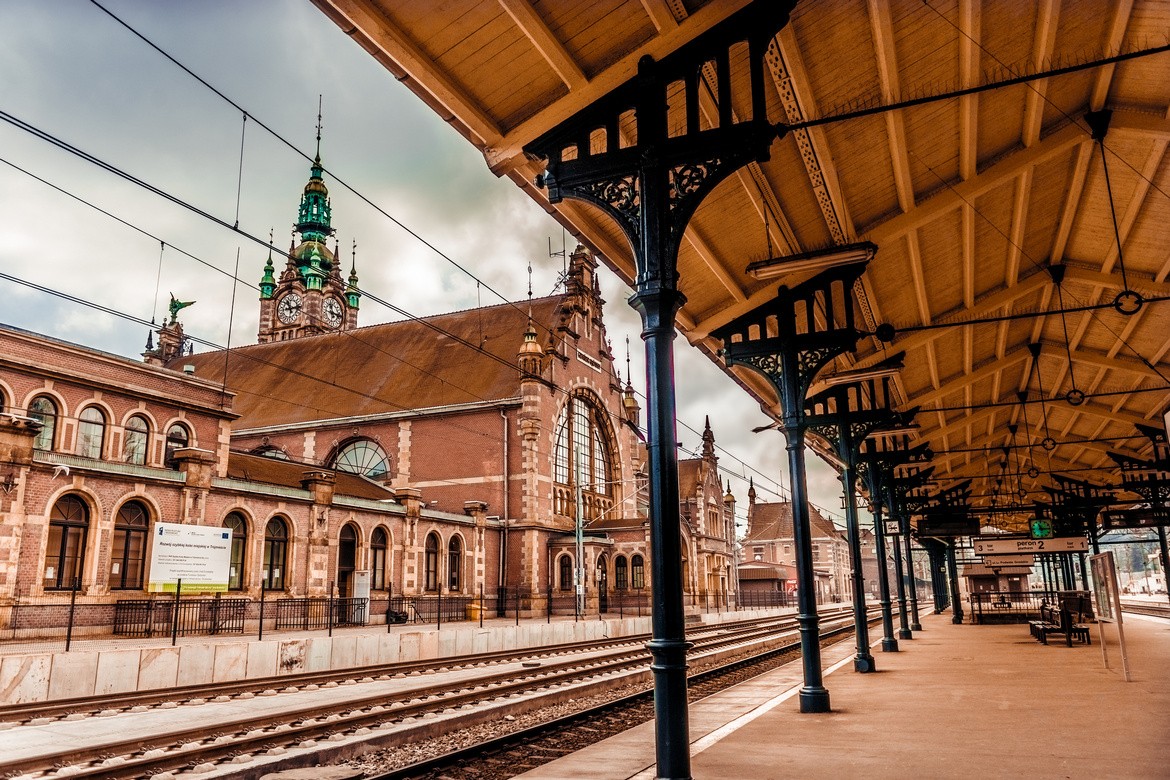
Diversity, history, and a unique atmosphere – this is how Gdańsk, the pearl of the Polish coast, can be described. Its enduring allure lies not only in attractions but also in this Baltic metropolis, which is a place that surprises at every turn and provides an unforgettable experience for both lovers of historical monuments and amateurs of nature. Gdańsk – a sea of opportunities. You can reach the city by train, bus, or plane. Travelers can choose from many routes leading to the Gdańsk.
Day One: Untypical market square
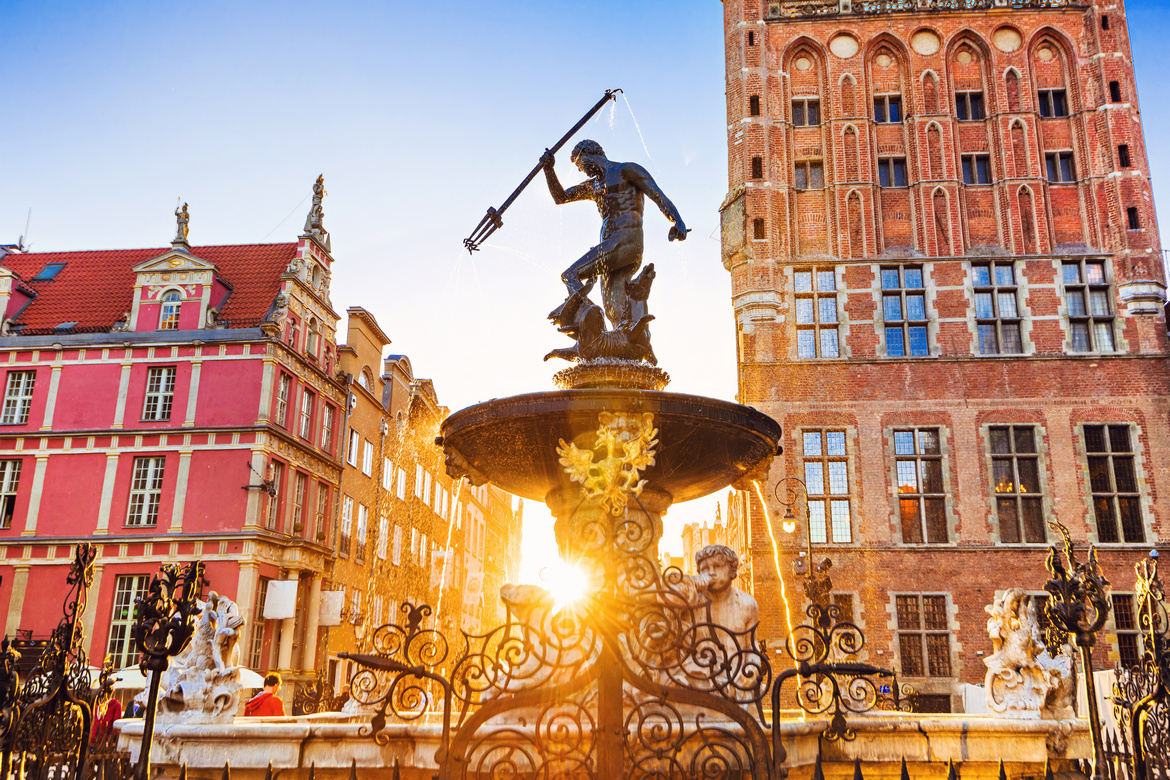
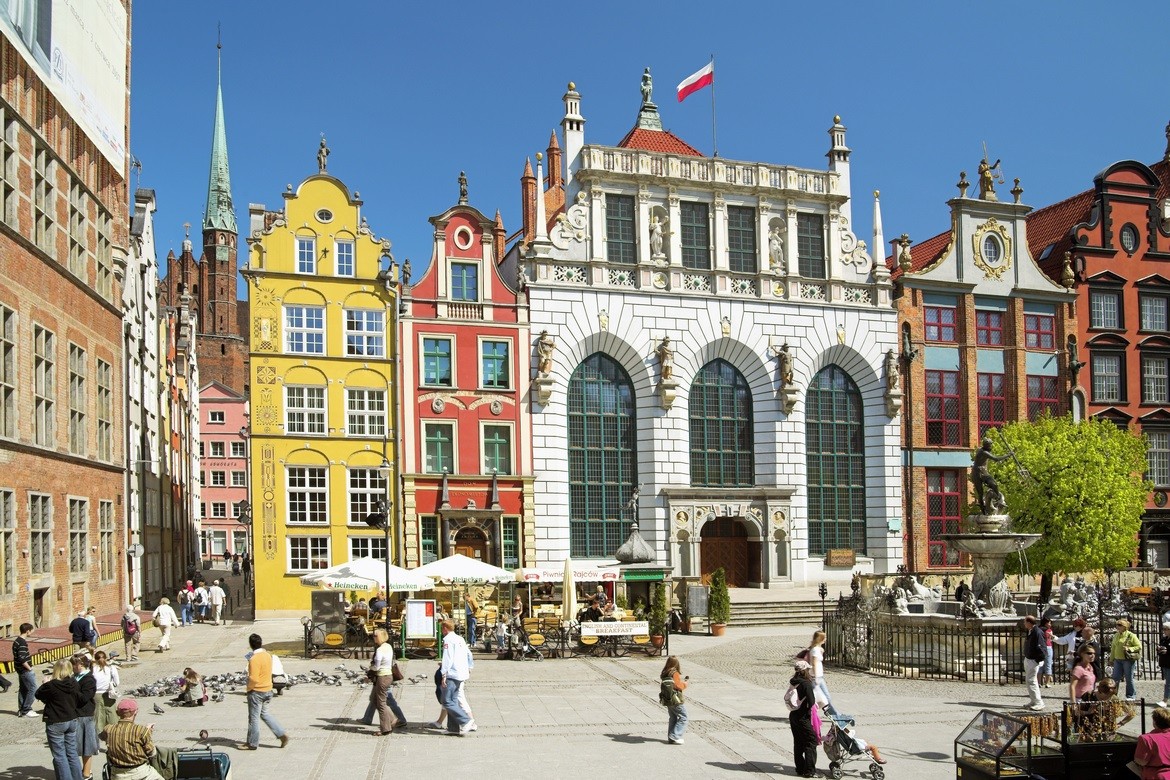
The most visited place is the Royal Road, otherwise known as the Royal Route. This road was used by distinguished visitors to the city so it was once the most representative road in Gdańsk. Interestingly, Gdańsk doesn’t have a traditional market square like most towns and cities. This long, wide street, Długa Street and Długi Targ, with cafes, bars, restaurants, shops, and many exclusive sights, is the market.
You will surely see the Town Hall, which is one of the more representative buildings, having been rebuilt several times since medieval times, and in its present form, it serves as the main seat of the Historical Museum of the City of Gdańsk. It is possible to climb the viewing platform on the Town Hall tower, from where you can enjoy views of the city from a height of 50 meters. It will take your breath away! We will not miss the most beautiful fountain in Gdańsk – the Neptune fountain. Legend has it that Neptune, annoyed at tourists who threw coins into the water (as they do in Rome at the Trevi fountain), struck the fountain with his trident and smashed the coins into gold particles. These are today an ingredient in Goldwasser liqueur.
City treasures
Next to the Fontaine, you will find the Artur Court. This place is amazing. It used to be a place for entertainment, such as masquerades, games of skill, concerts, and circus arts. During the holidays, everyone gathered for a festive meal. Currently, this unique interior is a partial reconstruction of the architecture as well as the furnishings. including a beautifully tiled cooker, ornaments, sculptures, and paintings.
On the Royal Route we will also find The Uphagen House. This 18th-century tenement house is one of the few tenements in Europe that can be visited. It used to be the accommodation for Johann Uphagen who lived here for many years. The visitors can see how the bourgeoisie lived at that time. The living room, the dining room, the former bedrooms, the rooms, and all the furniture take us back to the times of medieval Gdańsk.
This long Street emerges from the top of the market and Green Gate towards the Golden Gate. Along the street, we can visit other interesting places: The Golden House or Neues Bankhaus (Danziger Saal).
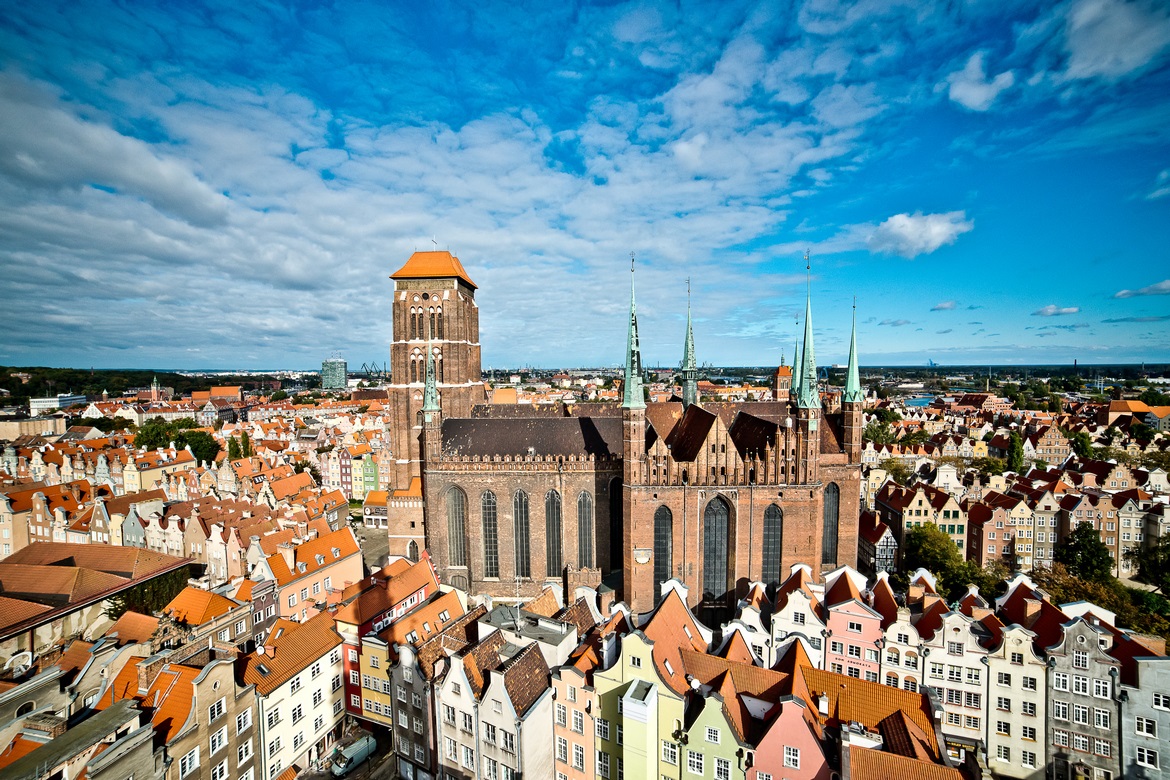
Near we can find the Mariacka street and the huge St Mary’s Basilica – the largest brick-built church in Europe. Due to its size, it is often referred to as the ‘Crown of Gdańsk’. The church, which has been under construction for 159 years, can be visited all year round – from the end of March to the end of November, you can also climb the tower of the Basilica to admire the views of Gdańsk and the surrounding area. There are as many as 409 stairs to climb, but…worth the effort!
Another vantage point in the city is the Olivia Star building. For those who like an almost bird’s-eye view of the city, this is an excellent option. However, Olivia Star is quite far from where we are so we will leave this attraction for another day.
How much do I need? 3 hours might be not enough.
Day 2: Through the history and the past
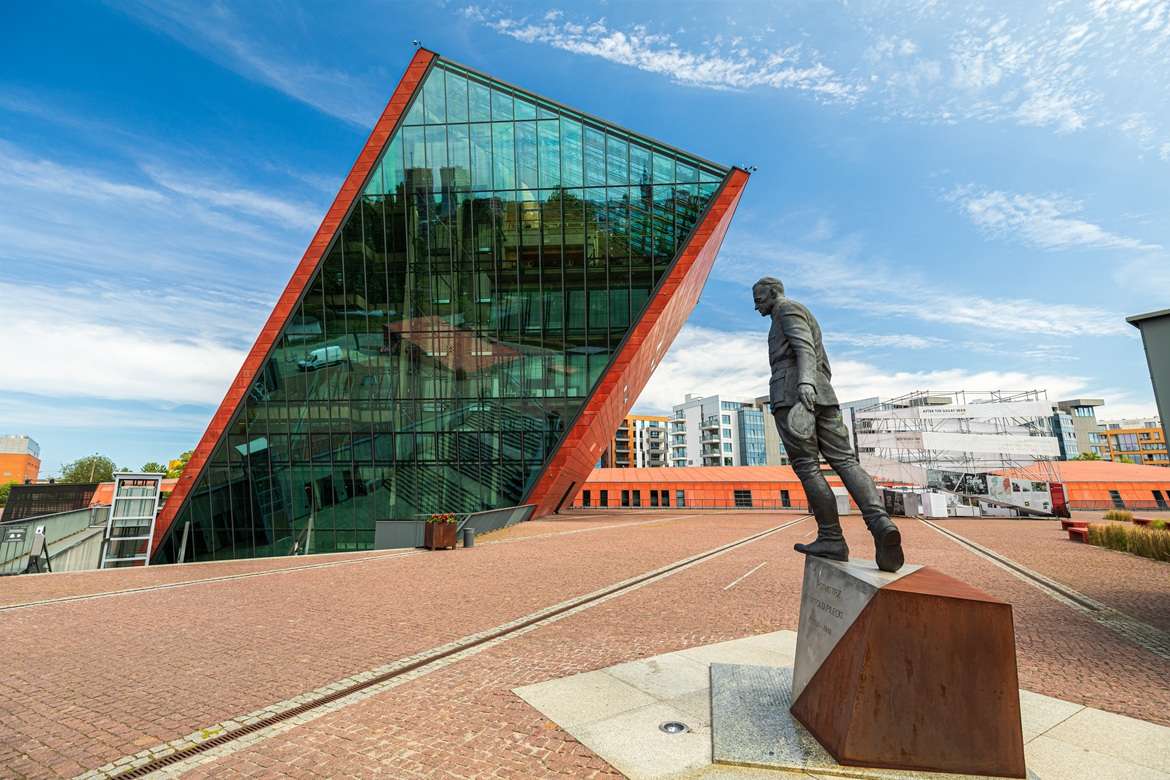
Gdańsk is a location that speaks about the past Museum of the second world war is one the place where history reveals its tragic secrets. Sits next to the Motława river is dedicated to the Polish experience and efforts of this time. Here you will find one of the largest exhibition areas in Europe. The heart of the Museum is the leading exhibition located 14 metres underground. Covering an area of almost 5,000, it is one of the largest exhibitions in the world. You will see not only artefacts but also modern technology is used to present the history of the people who were trying to survive during the Second World War. If you are interested in second world war history You can also think about taking a cruise to Westerplatte – where the Second World War began.
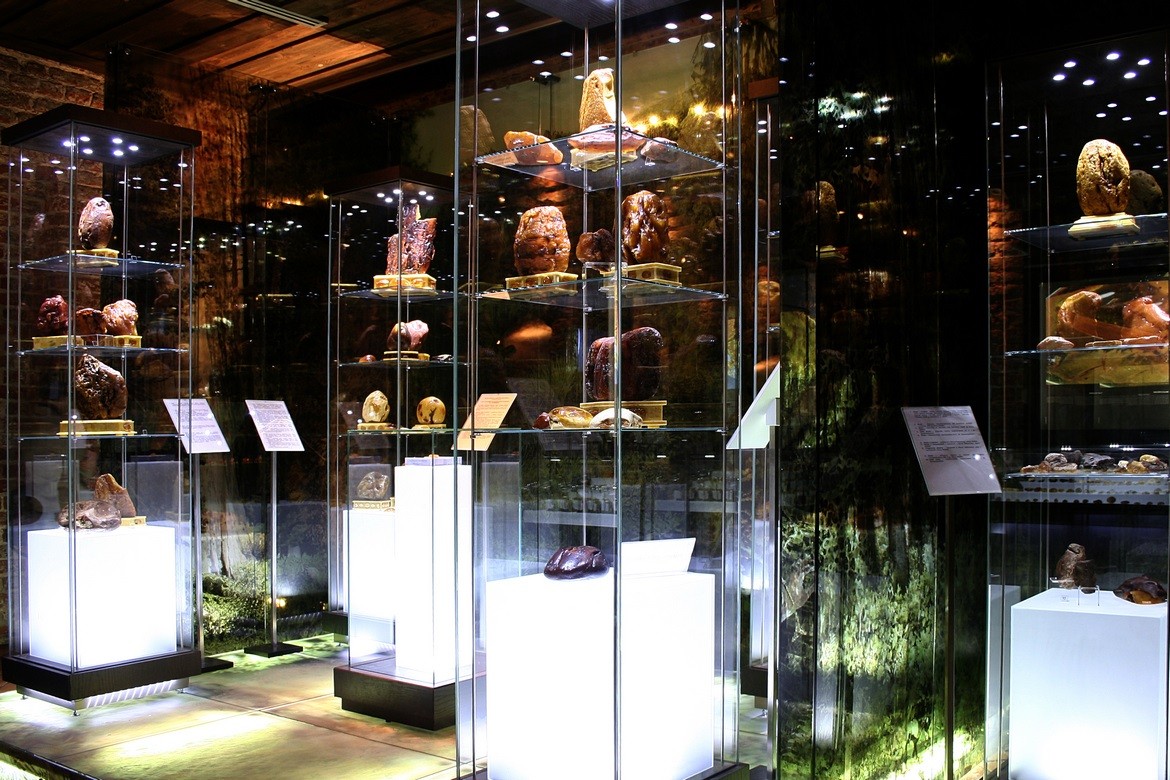
From this location you can go to the Amber Museum. More than 1,000 exhibits – here you will find one of the largest amber collections in the world. The Amber Museum is now located in the Great Mill in the Old Town. This is the largest mill in medieval Europe, once powered by the waters of the Radunia Canal, built by the Teutonic Knights around 1350, and is also one of the most significant historic buildings in our city. The museum is almost a thousand square metres.
The past is everywhere
If You are not interested in amber’s history, the National museum can be good alternative. The National Museum with the masterpiece ‘The Last Judgement’ by Hans Memling is a good idea. Apart from this epic piece of art the core of the museum’s holdings is the collection of Jacob Kabrun (1759-1814), consisting of several thousand paintings, drawings and engravings by European masters from the late 15th to the early 19th century.
The other destination is the European Solidarity Centre (It is easier to get there from the Museum of the Second World War). This place was established to popularise the idea of the Solidarity movement and to present the social and political changes that took place at the end of the 20th century in Central and Eastern Europe. In the multimedia exhibitions, we will learn about the history of the People’s Republic of Poland, see what an interrogation room and a prison cell looked like, which members of the Solidarity movement had to deal with. Inside, we will see the opposition printing press, the Round Table meeting room, the shipyard workers’ cloakroom, Jacek Kuroń’s office – with plenty of photographs, exhibits and archive material.
The history of the city of Gdańsk is also closely tied to the Gdańsk Shipyard, the cradle of Solidarity – a place of great significance for Polish history and the shipbuilding industry. An element associated with the shipyard and characteristic of Gdańsk’s landscape are the cranes – fascinating machines that attract the attention of both tourists and technology enthusiasts. There are about 120 of them in the city. Some are permanently installed and rotate around their axis, while others move along specially prepared tracks.
How much time do I need? For this day of history, you must reserve 4-6 hours, depending on what you want to see.
Day 3: Nature and recreation
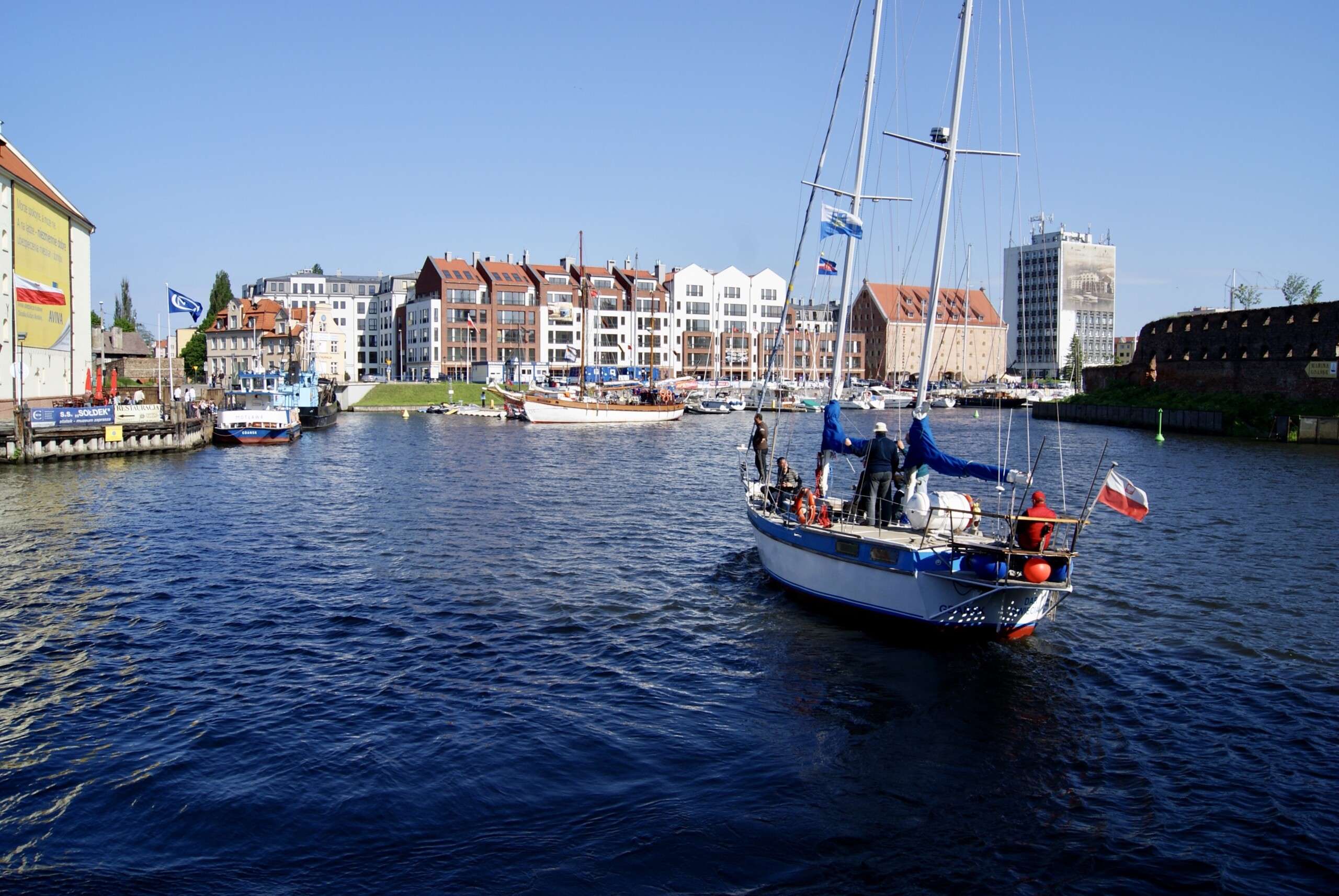
Let us start the wandering from the Long Embarkment. Today, it is a promenade stretching along the Motława River, one of the most popular walking routes. There is a lot of restaurants, cafes and bars here and the view from the restaurant oyster makes the time more pleasant. Along the Long Embankment is a string of Gothic water gates dating back to medieval times. One is the famous Crane, a harbor crane once used for handling goods and placing masts on ships. The Gdańsk Crane, a majestic symbol of the Long Embankment, is one of Europe’s oldest and largest harbor cranes. The Gdańsk crane is no ordinary monument – it symbolizes the city and is a testament to its rich port history. Its imposing wooden structure against the quayside has attracted visitors’ attention for centuries. Between July and August Long Embarkment and nearby locations are the places for Dominic’s Fair – an annual culture and trade event. This in one of the most crucial outdoor events in Europe. is one of the most essential summer outdoor events in Europe. You can buy here unique souvenirs and treasures. It is time for art, traditions and customs.
One more attraction should be mentioned here. Carousel at Targ Rybny – an incredibly magical place, established relatively recently in 2018, but since then, it has been attracting everyone who loves beautiful photographs. It is adorned with hand-painted artwork inspired by Gdańsk’s architecture and landscape. There are moving figures that rotate to the rhythm of music. Of course, you can ride the carousel – it operates year-round and is enchanting after dark when it lights up with thousands of lights.
Outside the big city
If we are bored visiting the city, it’s time to connect with nature. An excellent place for a walk for residents and tourists visiting Gdańsk for the weekend is Oliwa Park – the greenest part of the city. On the park’s edge lies the zoo, and within its grounds, you’ll find the stunning Abbots’ Palace, floral carpets, intricately trimmed shrubs, intriguing sculptures, ponds, gazebos, bridges, and cascades. Everything is beautiful, colorful, and truly enchanting.
The park also includes Pachołek Hill, with an observation tower from which you can admire the panorama of Gdańsk. At the edge of the Oliwa park is the Oliwa Cathedral, famous for its magnificent organ. Inside, organ concerts are held during the summer season, which, if you get the chance, are worth a visit.
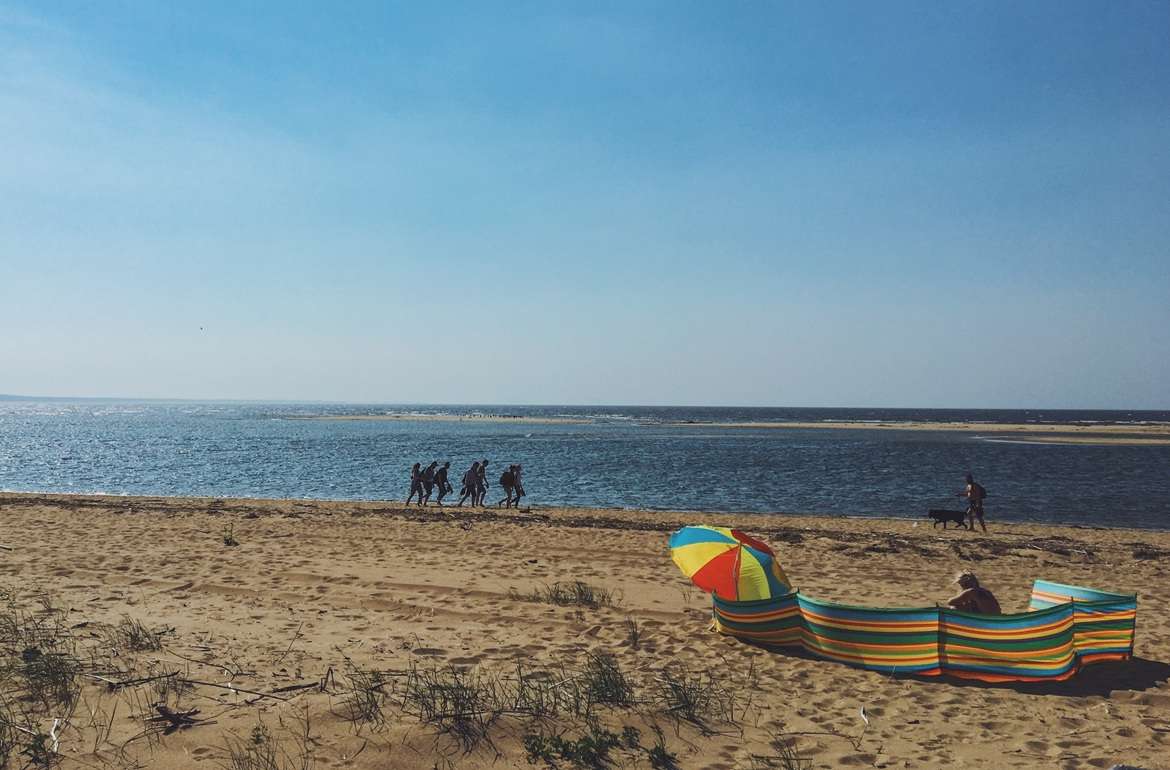
We can also go to the beach, finally at the seaside. The wonderfully wide and sandy beaches encourage for walks. In summer, the Baltic invites you to take a dip, and contrary to what many people say, the water is not cold at all.
How much time do we need? It depends on you.